
Bangli Regency warns that lazy civil servants could be dismissed
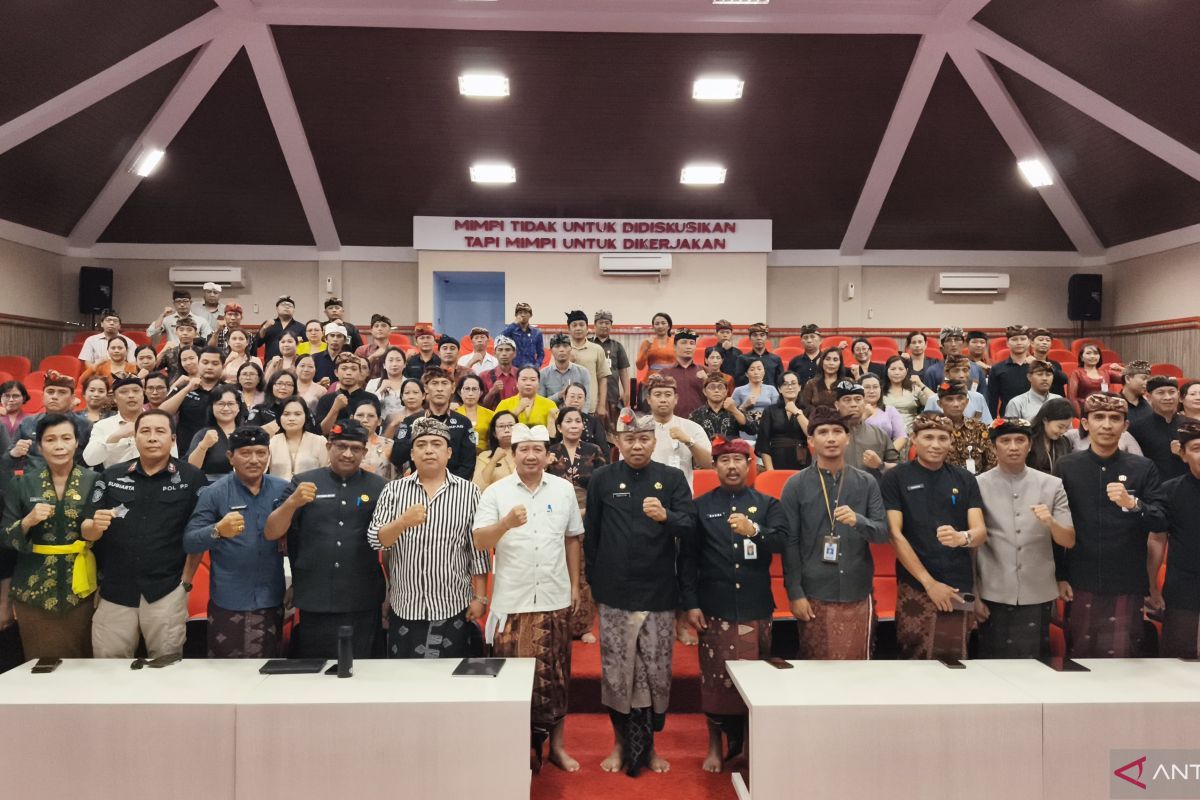
Bangli, Bali — The Bangli Regency Government in Bali has warned that the harshest sanction—dismissal—could be imposed on civil servants (ASN) who are lazy or who fail to report for work without a justifiable reason.
“Discipline is not merely a formal obligation; it is the cornerstone of delivering excellent public service,” said I Dewa Bagus Riana Putra, the Secretary to the Bangli Regency, in a press release from Bangli, Bali, on Friday.
He urged civil servants to understand and comply with Government Regulation (PP) No. 94 of 2021, which not only sets out sanctions or disciplinary punishments but also serves as a tool to foster, direct, and ensure that ASN performance remains within the rules in force.
Meanwhile, Bangli Regency Inspector Jero Penyarikan A. Widata outlined several crucial points in PP No. 94 of 2021, including emphasising stringent limits that civil servants must observe, such as neutrality in political life.
Also included is an explanation of the classification of disciplinary punishments into light, medium, and severe.
One rule he highlighted is the strict sanction of dismissal for civil servants who do not come to work without a legitimate reason cumulatively.
Jero also reminded that direct superiors have both the authority and the obligation to impose disciplinary sanctions on subordinates who violate.
“If a supervisor allows violations to occur, then that supervisor will also face sanctions,” he said.
Each violation carries clear consequences: light punishment in the form of a reprimand or a statement of dissatisfaction; medium punishment—a 25 percent deduction from the performance allowance; severe punishment culminating in demotion or dismissal from civil service.
He urged optimising outreach of the rules, ongoing coaching, tightening periodic oversight, and enforcing punishments fairly and transparently.
“Specifically, I remind you about attendance violations. Cumulative non-attendance within one year will determine the sanctions. Do not underestimate this, because absence for 10 consecutive working days without leave will result in salary payments being stopped from the following month,” he said.