
Bandung Zoo Transition Management Ensures Adequate Animal Feed and Nutrition
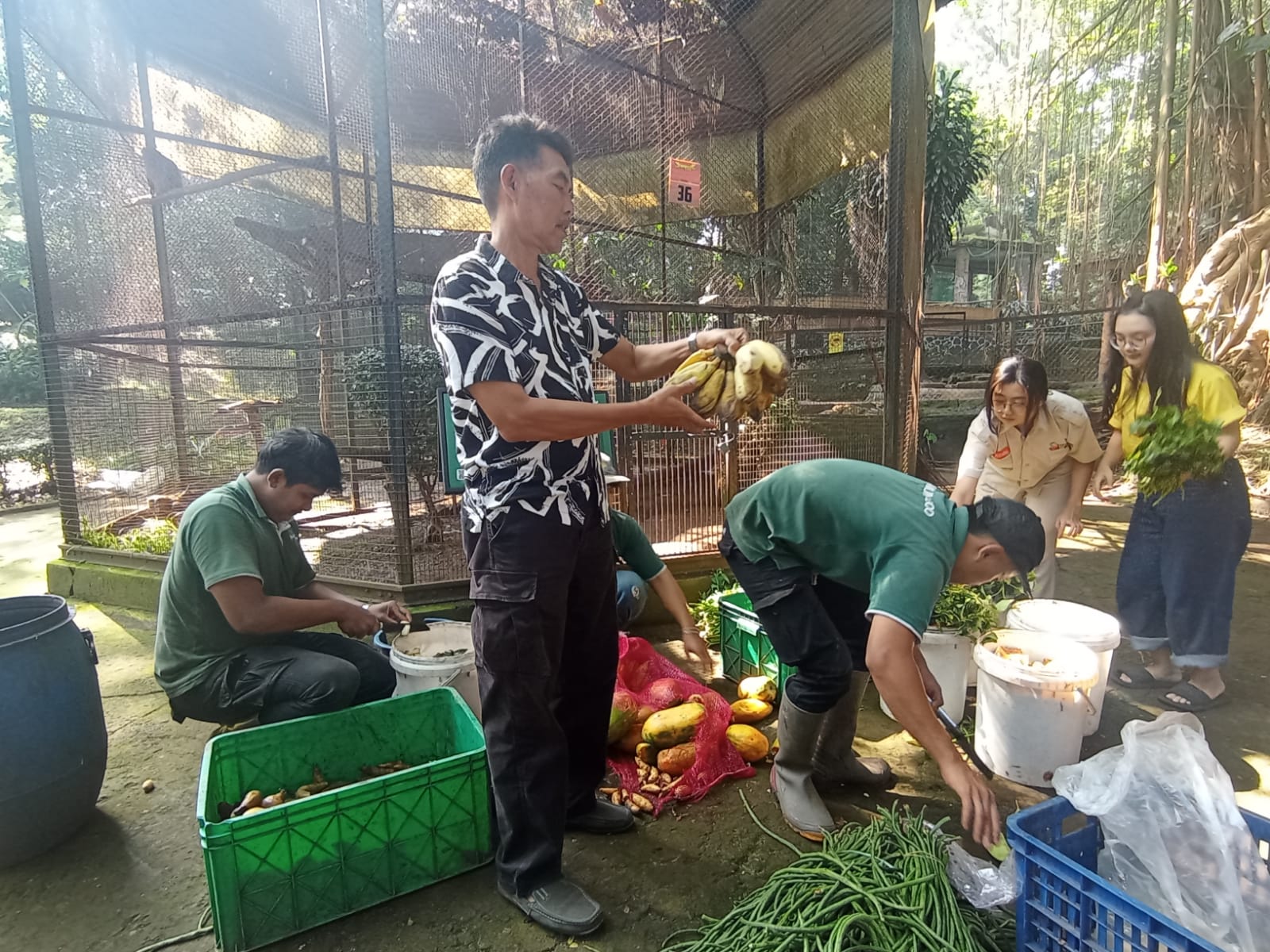
Bandung Zoo’s transition management has confirmed that the 694 animals currently housed at the facility are well-fed, nutritionally supported, and in good health. The Bandung City Government continues to cover feed, nutrition, and staff salary costs until a new operator is appointed.
The city government is currently evaluating potential new operators, including Taman Safari Indonesia (TSI), Taman Mini Indonesia Indah (TMII), Gembira Loka Zoo in Yogyakarta, Faunaland, and other companies.
Rohman Suryaman, coordinator of the transition management team, stated on Thursday (28 May) that following the recent deaths of two tigers, the zoo has strengthened animal care, particularly in health and biosecurity measures.
‘The feed has always been of the highest quality, but additional health-related treatments, such as biosecurity, have been implemented,’ he said.
Rohman explained that all staff entering animal enclosures must undergo disinfection procedures. The zoo regularly sprays enclosures, cleans pools, and uses disinfectant for cleaning. It also collaborates with Cikole Veterinary Hospital and Bandung City DKPP to control stray rats and cats, including sterilisation efforts.
‘We capture and sterilise rats and cats. Daily feed requirements amount to hundreds of kilograms, including fruits, vegetables, grass, and concentrate feed. Total daily feed costs are approximately Rp15 million for all animals,’ he added.
SUPPLIERS
According to Rohman, all feed materials are sourced from around 15 different suppliers. Bananas come from South Cianjur, grass from Purwakarta, and sweet potatoes from Tanjungsari. Vegetables such as water spinach are obtained through market vendors.
Rohman confirmed all feed undergoes cleaning and biosecurity protocols to prevent poisoning risks. ‘All feed is washed and disinfected, except meat. Cleaning is still carried out to avoid toxic substances,’ he stated.
Rohman noted that the zoo currently houses 694 animals based on the latest inventory. Despite the transitional management phase, he assured that all animals’ nutritional needs are met.
‘In addition to primary feeding, we implement enrichment activities for the animals through diet, habitat adjustments, and natural instinct development to compensate for limited space,’ he said.
Regarding the future permanent operator, Rohman said staff are unaware of who will take over. ‘We employees are focused on our work. Whoever becomes the new operator, we are ready to cooperate,’ he added.