
Bandung City Government Implements 60% WFH, Mayor Muhammad Farhan Tightens GPS Monitoring
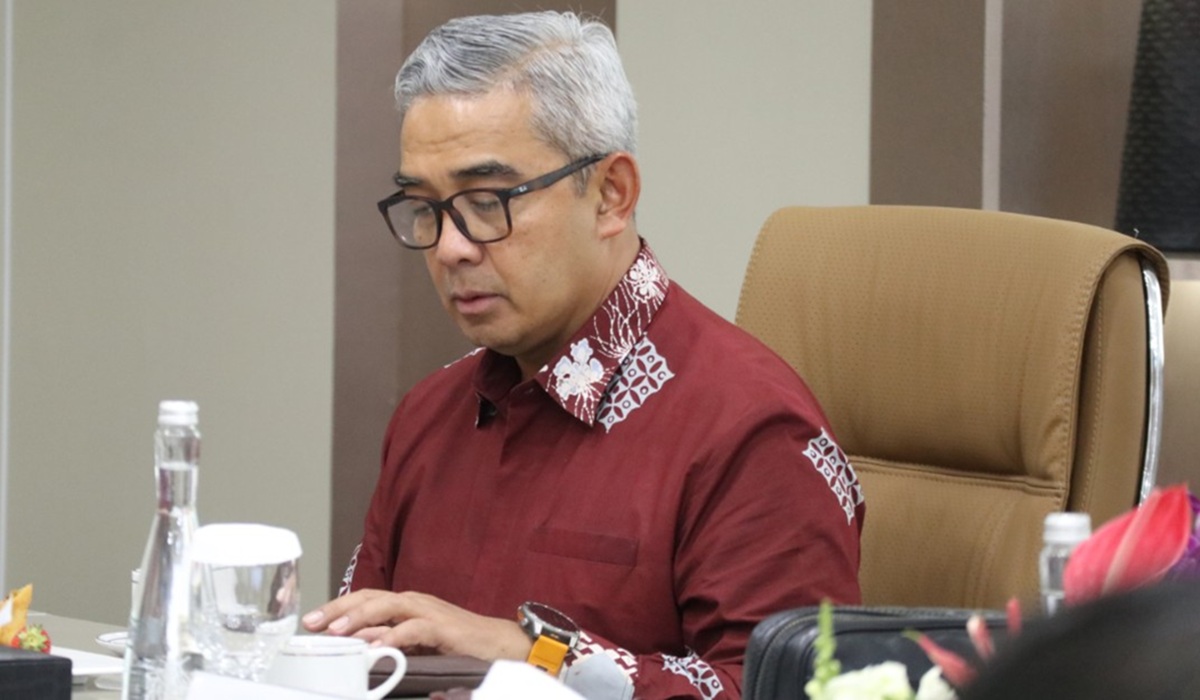
The Bandung City Government (Pemkot Bandung) has officially implemented a Work From Home (WFH) policy for Civil Servants (ASN). This policy aligns with central government directives and considers the effectiveness of public services in the Flower City.
Bandung Mayor Muhammad Farhan revealed that the percentage of employees implementing WFH within the Pemkot Bandung environment has now exceeded 60%. Nevertheless, Farhan emphasised that this policy is not uniformly applied to all agencies.
“A number of strategic sectors, especially those directly interfacing with the public, are still required to work offline or Work From Office (WFO). Licensing, public works, and field supervision cannot possibly be conducted online,” Farhan stated.
Farhan assured that this work flexibility will not compromise the quality of services to the public. As a form of accountability, all leadership ranks from department heads, sub-district heads, to village heads have been instructed to remain vigilant at their offices and respective areas.
To maintain employee discipline, the Bandung City Personnel and Human Resource Development Agency (BKPSDM) has prepared a technology-based monitoring system. Every ASN working from home is required to register their mobile phone number so that their movements can be monitored via Global Positioning System (GPS).
Furthermore, Farhan assessed that this flexible work pattern has the potential to increase productivity. According to him, employees tend to work beyond formal office hours when at home. In addition to productivity, Pemkot Bandung will also evaluate the impact of WFH on energy savings and reduced fuel oil (BBM) consumption due to decreased mobility of employees’ private vehicles.
As a supporting step for a healthy lifestyle, Farhan along with the Forkopimda ranks plans to campaign for a cycling culture to the office. Pemkot Bandung is even exploring cooperation with BPJS Health and BPJS Employment to provide additional protection for cyclists.
“This step is part of our efforts to provide inclusive road infrastructure and encourage the public to switch to more environmentally friendly modes of transportation,” he concluded.