
Bamsoet Reminds Indonesia Not to Be Complacent in Addressing Iran-Israel Conflict Dynamics
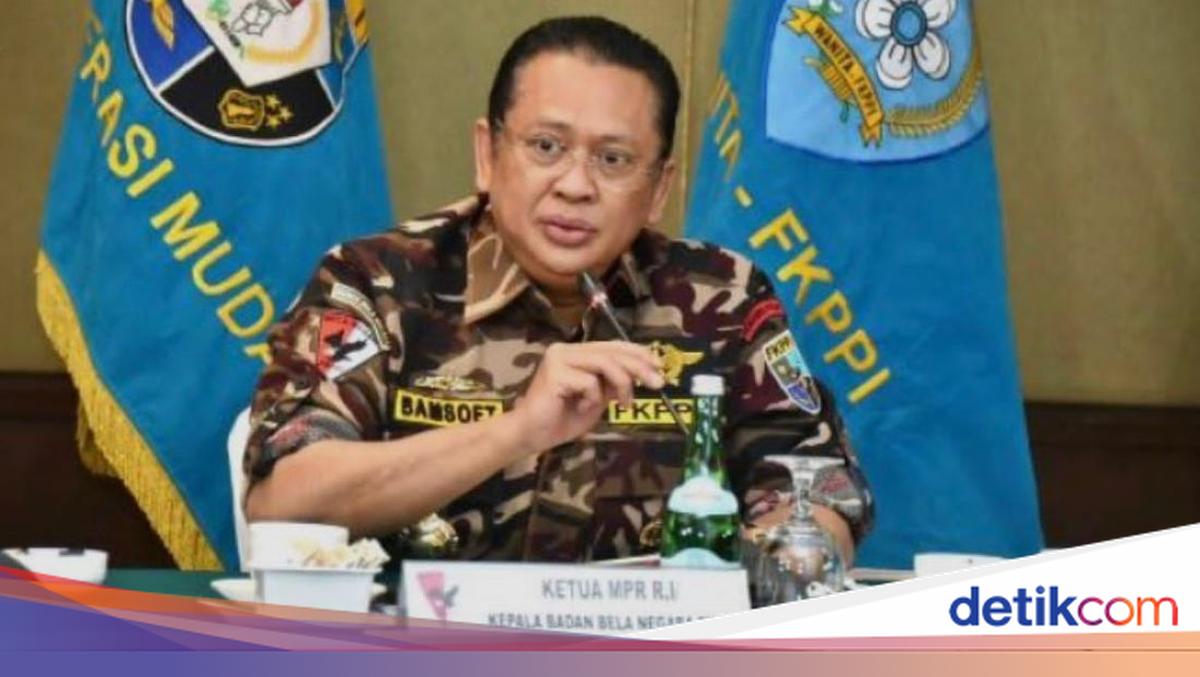
Member of the Indonesian House of Representatives Bambang Soesatyo has reminded Indonesia not to be complacent in addressing the dynamics of the conflict between Iran and Israel. Although a ceasefire is currently in place, the situation is assessed as not yet fully reflecting long-term stability.
The impact of the war conflict still has the potential to spread to various sectors in Indonesia, from the economy, energy, to national security, thus requiring vigilance from all stakeholders.
“Indonesia must view this ceasefire clearly and strategically. In the perspective of geopolitical intelligence, a ceasefire cannot be interpreted as a sign that the conflict is over. It is more accurately read as a strategic pause for each party to strengthen their position, replenish logistics, and prepare the next steps,” said Bamsoet in his statement on Thursday (9/4/2026).
Bamsoet explained that the escalation of the Iran-Israel conflict continues to trigger global concerns. Data shows that throughout the early period of 2026, tensions in the Middle East have caused significant disruptions to the world’s energy distribution routes, particularly in the Strait of Hormuz, which is a vital route for about 20 percent of the world’s oil supply.
Global crude oil prices once surged above USD 95 per barrel, while shipping risk premiums increased sharply due to maritime security threats. The impact of this conflict does not stop at the energy sector.
Global uncertainty has pressured financial market stability, triggering exchange rate volatility and increasing inflationary pressures in many developing countries, including Indonesia. Bank Indonesia has noted pressure on the rupiah exchange rate in recent weeks due to global sentiment triggered by geopolitical conflict.
In addition, the trade sector has also been affected, particularly due to rising logistics costs and international shipping insurance.
“We must not regard the ceasefire as the end of the tension. In fact, in many cases, this phase becomes the most crucial point because every actor involved in the war is preparing the next scenario. This is a reality that we must fully understand,” said Bamsoet.
He explained that in the framework of geopolitical intelligence, ceasefires are often used as instruments to build international narratives that benefit each party.
Diplomatic efforts that appear in public spaces often run parallel to behind-the-scenes operations to strengthen positions, both through military, economic, and global political influence channels.
“A ceasefire can be a tool to manipulate world perceptions. One party wants to appear as a peacemaker, while at the same time strengthening their bargaining position for the next negotiations,” revealed Bamsoet.
Bamsoet emphasised that Indonesia, as a country with a strategic position in the Indo-Pacific region and an active member of various international forums such as the G20, must strengthen cross-sectoral vigilance.
The government needs to ensure that national energy resilience remains maintained, strengthen strategic reserves, and anticipate potential disruptions to the global supply chain that could directly impact national economic stability.
“Indonesia must also strengthen its active non-aligned position, maintain the sovereignty of foreign policy, and prioritise peaceful diplomacy without losing strategic vigilance. We must not be drawn into the vortex of global interest conflicts,” concluded Bamsoet.