
Bamboo as the middle ground between a sustainable forest and livelihoods
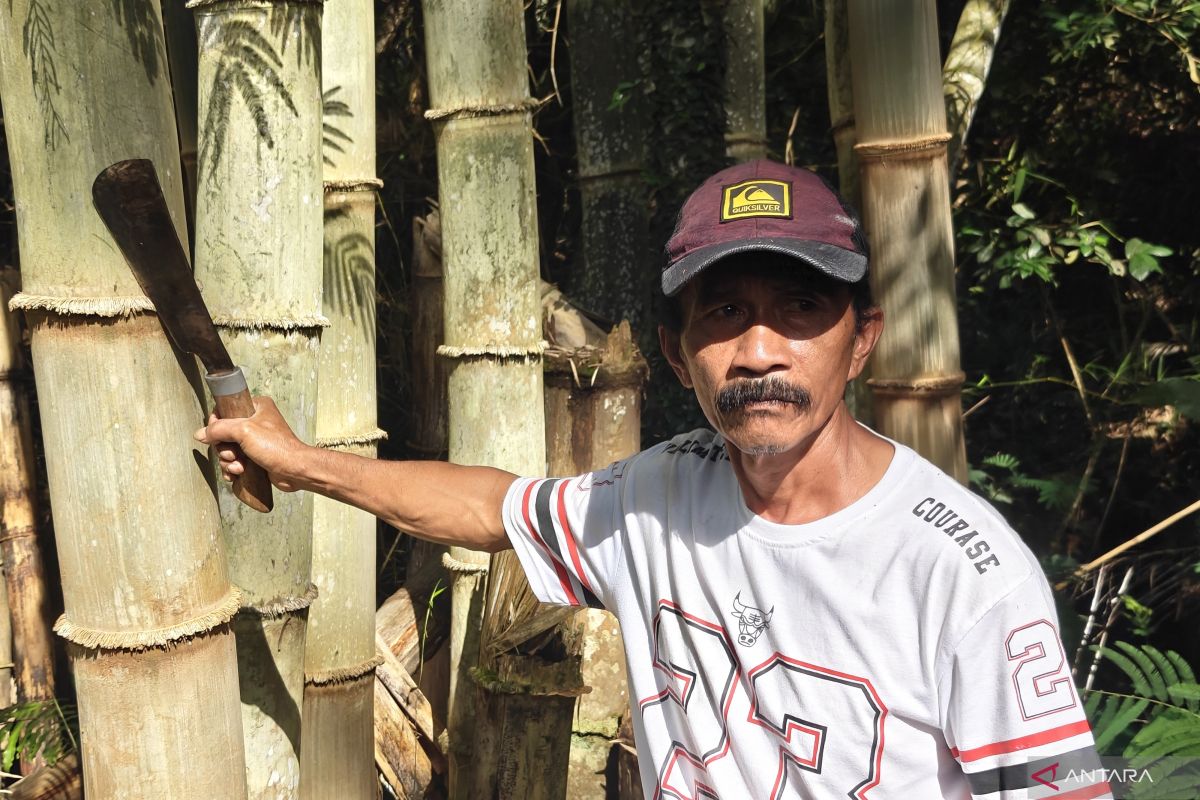
Desa Watu Galang in the Mbeliling district, Manggarai Barat Regency, East Nusa Tenggara, is home to dense bamboo groves that grow along riverbanks and hillside hollows. For decades, the vegetation was left to wither and was seen as natural posts for landslide control and as protectors of mountain water sources. Now, these ancestral plants are forging a middle ground that harmonises forest protection with the improvement of local livelihoods in the westernmost part of Flores Island.
For communities in the Mbeliling Mountains, bamboo is no longer merely rural decor. Amid economic pressure and a changing landscape, this non-timber forest product has become a pillar of household resilience.
This is the story of a community on the outskirts of Labuan Bajo, a recognised super-priority tourist destination, that has advanced towards autonomy without felling trees in protected forest areas.
Since October 2023, Falentinus Hendrik (56) and four other members, who form the Kelompok Panen Petani Bambu Hutan Wela Nara (Wela Nara Bamboo Harvest Group), have consistently tended and harvested the product.
In less than two years, this small group has distributed around 140 trucks full of bamboo culms to production houses in Labuan Bajo, or about 5–6 trucks per month, with each truck carrying 260 bamboo culms measuring 2.6 metres in length.
This step-by-step approach is gradually reshaping the map of domestic welfare in a region that was previously largely cut off from modern economic circulation.
Before the management programme, Bambusa asper—giant bamboo—grew wild, with most culms planted by village elders in critical zones to curb soil erosion during the rainy season. Today, that ecological investment of the past is yielding double benefits.
From periodic sales, Falentinus has personally earned up to Rp40 million in cumulative income from bamboo culms with diameters of 8–12 centimetres. The income comes from purchasing bamboo at Rp8,000–Rp12,000 per culm, not including transport and delivery wages amounting to around Rp2–5 million.
This figure is meaningful for stabilising household budgets and supporting children’s education up to university level, or even their marriage.
However, harvesting in Watu Galang is not exploitative. They target only culms that have reached a minimum age of four years, while new shoots are deliberately kept to sustain natural regeneration. Stands located at points prone to ground movement are off-limits to protect residents below.