
Balinese Residents Caught Burning Rubbish Face Light Criminal Penalties
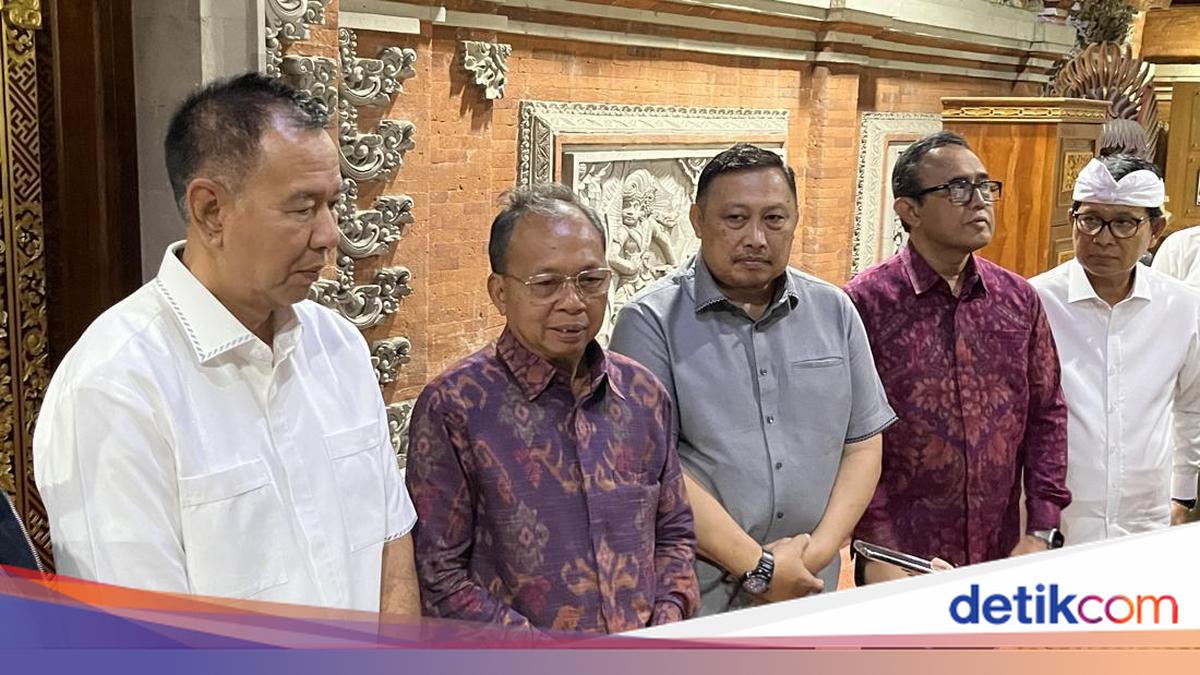
Bali Governor Wayan Koster has emphasised that residents caught burning organic or inorganic rubbish face the threat of light criminal penalties (tipiring). “Law enforcement action will be taken. Yes, there is tipiring,” Koster said at the Bali Governor’s Office on Tuesday (7/4/2026).
Koster views the burning of rubbish by residents as a bad practice. However, he must verify whether what is being burned is indeed rubbish or wood, bamboo, and the like.
“If wood is burned, bamboo from post-ceremony is burned, that’s no problem. If what’s burned is rubbish, for example, residual waste or other types of rubbish that are burned, that’s what’s prohibited,” he explained.
Previously, the Suwung Final Disposal Site (TPA) officially stopped accepting organic waste from 1 April 2026. This policy aims to accelerate the strengthening of source-based waste processing systems at the village level, in accordance with directives from the Minister of Environment, Hanif Faisol Nurofiq. With this policy, TPA Suwung now only accepts inorganic waste and residue.
The Head of the Bali Forestry and Environment Office, I Made Dwi Arbani, stated that this step is a response to the high composition of organic waste in Bali, which reaches 65 percent of the total waste generated, with characteristics of high moisture content.
“So far, organic waste has dominated the waste input at the TPA. This condition has the potential to produce flammable methane gas, unpleasant odours, environmental pollution from leachate, and accelerate the landfill’s capacity,” Arbani said in his statement on Wednesday (1/4/2026).