
Balian Hamlet in Banyuwangi: A Hindu Village Preserving Traditions and Revitalising the Creative Economy
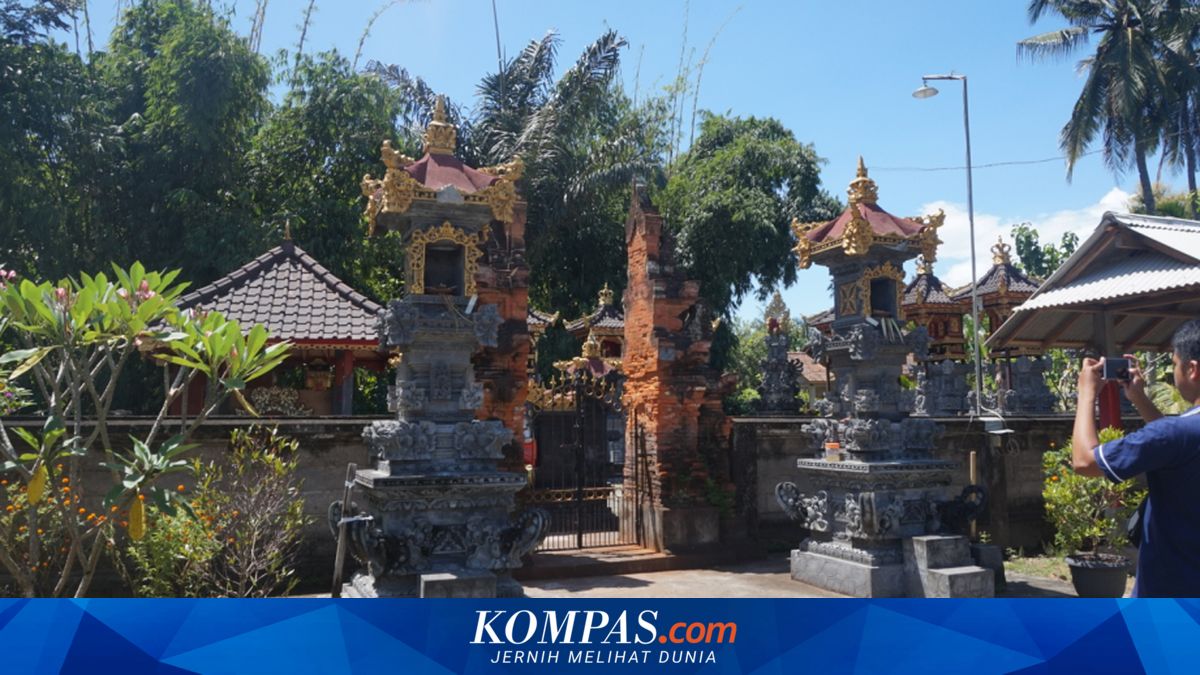
BANYUWANGI - Dusun Patoman Tengah in Patoman Village, Blimbingsari Subdistrict, Banyuwangi, East Java, is known among the community as Dusun Balian. This nickname has stuck because the majority of its residents are Hindus.
A strong Balinese atmosphere is felt in the area. Residents’ houses feature distinctive architecture, with temples present at several points in the settlements.
However, it is not just cultural identity that makes Dusun Balian appealing. The social life of the community in this hamlet is known for its harmony, with interfaith relations well-maintained.
“So far, there have been no problems. When Hindus have activities, people from other faiths help out. And vice versa, so we complement each other,” said the Head of Dusun Patoman Tengah, I Gede Yuda Permana.
In the hamlet, there is a Village Temple that functions not only as a place of worship but also as a centre for the community’s arts and cultural activities. Children to teenagers regularly study religion, traditional dance, gamelan, and various other regional arts.
The existence of this cultural centre provides space for residents to preserve traditions while introducing arts to the younger generation.
In addition to cultural arts, Dusun Balian also has developing creative economy potential through local SMEs. One example is the wood and sand carving business owned by Kayan Suartana.
Kayan started his business in Banyuwangi in 2000 while actively working as a traditional dance and music artist.
His dedication to preserving culture through carving arts earned him an appreciation award from former Banyuwangi Regent Abdullah Azwar Anas in 2015.
Residents’ economic potential also develops through the cultivation of Javanese Chilli or Puyang Chilli, which has a fairly high selling value. One farmer, Made Ardana, cultivates the plant on around 3,000 square metres of land with about a thousand trees.
“Its maintenance is simpler than regular chillies. After harvesting, it’s just boiled and then dried for about three days,” he said.
According to Made, one kilogram of wet Javanese Chilli yields about three ounces after drying, with a selling price of Rp 85,000 per kilogram.
Market demand for Javanese Chilli is said to remain high. The harvest from residents has even been marketed abroad, such as to Japan and China, for the cosmetics industry.
Dusun Balian serves as a picture of how tradition, tolerance, arts and culture, and the creative economy grow side by side in the life of the Banyuwangi community.