
Bali KPU Chair Rejects Proposal for Governors to Be Appointed by the President
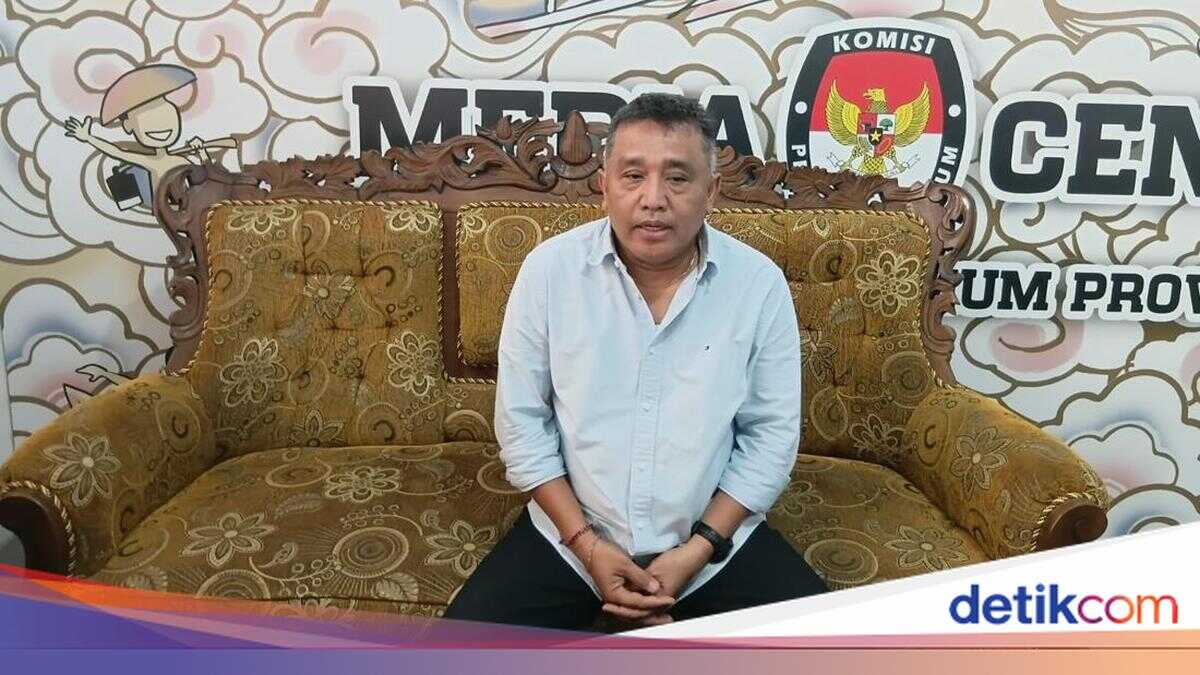
Chair of Bali’s General Elections Commission (KPU), I Dewa Agung Gede Lidartawan, does not agree with the notion that governors should no longer be elected by the people but instead appointed by the president. He believes direct elections by the public should be maintained. Indonesia, he said, has long applied a system in which regional heads are chosen by the people. Therefore, if such a wacana (idea) is to be implemented, the government should first ask the people for their consent to see whether they agree. ‘If a country intends to withdraw a right that has already been given to the people, then it should ask the people first whether they agree or not. Do not let a small group claiming to represent the people change everything,’ Lidartawan said in an interview after a Coordinating Meeting on the Updating of Continuous Voter Data at KPU Bali, on Friday (6 March 2026). Lidartawan regards the system of direct regional head elections as a form of democracy that has already been fulfilled in Indonesia. Therefore, if there is a proposal to change the system, it should be considered carefully to avoid diminishing the people’s rights. Nevertheless, as the election administrator, the KPU will implement any government decision should there be a change to the regional head election system. ‘As the chair of the KPU, we will carry out whatever decision the government makes. But in my view, there must still be special considerations to safeguard democracy,’ he said. Lidartawan also argued that reform should be carried out first within political parties before changing the system of assessment. In his view, changing the system without internal party reforms would merely relocate the same problems. ‘So far, what needs to be repaired is the party itself. If the system is changed while the party has not been cleaned up, corruption or money politics could just move there,’ he added.
Discussing election schemes, the KPU is currently examining several options to make it easier for the public to exercise its voting rights in general elections. One option under consideration is an advance voting mechanism for voters who cannot be present on polling day. Lidartawan revealed that this scheme is planned to be applied for workers who must be stationed in remote locations for extended periods, such as project workers or those involved in drilling. In addition, the KPU is considering voting by post. Voters could send their ballots to the KPU according to their electoral district. ‘So people who may be travelling can vote early. For example, those working in remote areas—like drilling—may be away for a month,’ Lidartawan explained. The KPU is also opening the possibility for students studying abroad to continue voting via a special mechanism, in an effort to reduce the number of golput (white votes/abstentions). (hsa/hsa)