
Bali Hotel Occupancy Predicted to Rise 12% During June-July 2026 Peak Season
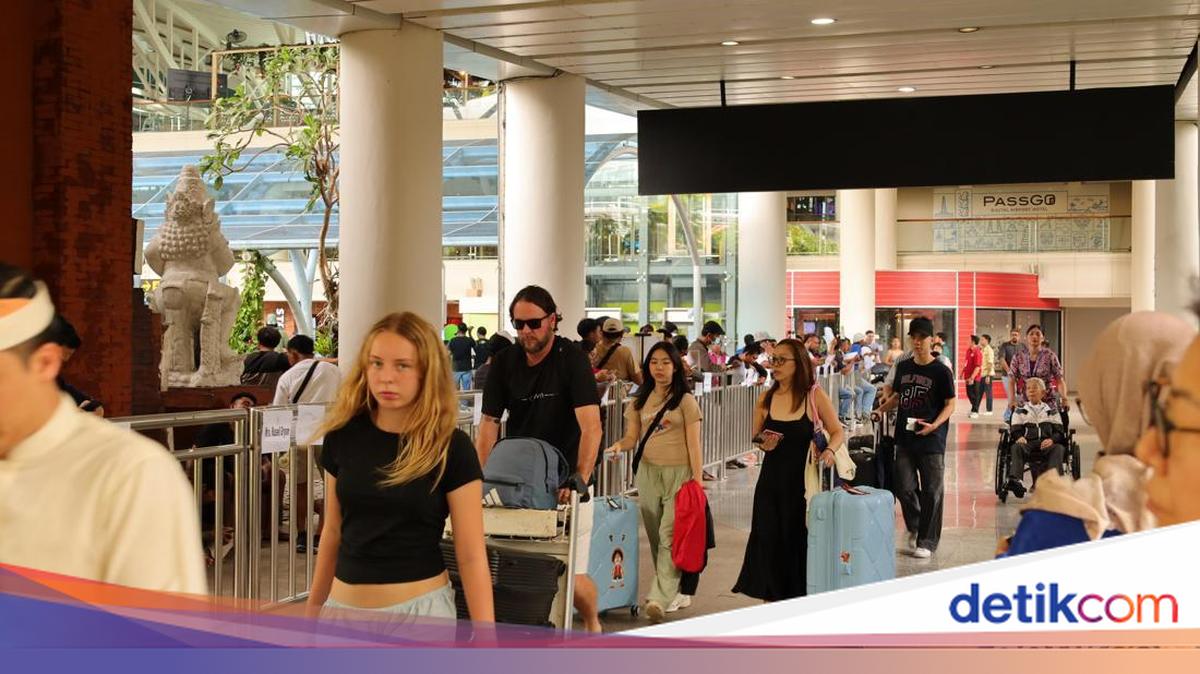
Tourist arrivals to Bali are expected to peak between June and July 2026, with hotel and restaurant occupancy projected to rise by 10 to 12 percent during this period. ‘June and July is peak season. Occupancy usually rises, between 10 to 12 percent,’ said Tjokorda Oka Artha Ardana Sukawati, also known as Cok Ace, chairman of the Hotel and Restaurant Association of Indonesia (PHRI) Bali, when interviewed in Taman Dedari, Ubud, Gianyar on Sunday, 24 May 2026.
According to Cok Ace, Bali’s tourism sector has been significantly impacted by several issues in recent months, including rising aviation fuel prices affecting flight ticket costs to Bali and the rupiah’s depreciation against the US dollar.
This situation is expected to see foreign tourists dominate arrivals during the peak season in the coming two months. Tourists from dollar-using countries will benefit more when exchanging their currency for rupiah.
‘The dollar exchange rate is above Rp17,000, meaning they get more rupiah when exchanging. Although they face pressure on flight ticket prices,’ Cok Ace said.
Cok Ace noted that hotel occupancy in Bali continues to show positive trends, with a 2.4% increase in Q1 2026 compared to the same period in 2025.
Despite the rise, PHRI Bali member hotels have not adjusted room rates, with tourism and hospitality operators choosing to hold off on price increases for now.
‘We cannot raise prices yet. We’re not ready to move. We need to calculate,’ he said.
However, changes in hotel room prices and occupancy rates in Bali could still occur, as hoteliers face competition not just from domestic players.
Bali’s hotel operators also compete with international counterparts, prompting adjustments as the rupiah weakens against the US dollar.
‘Our international competitors are also trying to attract tourists to their own regions,’ he said.
Occupancy changes could also affect hotels primarily serving domestic guests, as government efficiency policies have not significantly boosted domestic tourist occupancy.
‘We don’t discriminate between foreign or domestic guests, but since the government reduced official travel budgets—which we heavily relied on from ministries and other state institutions—we’ve seen fewer domestic guests,’ he said.