
Bali Enters Ageing Population Phase as Elderly Proportion Rises
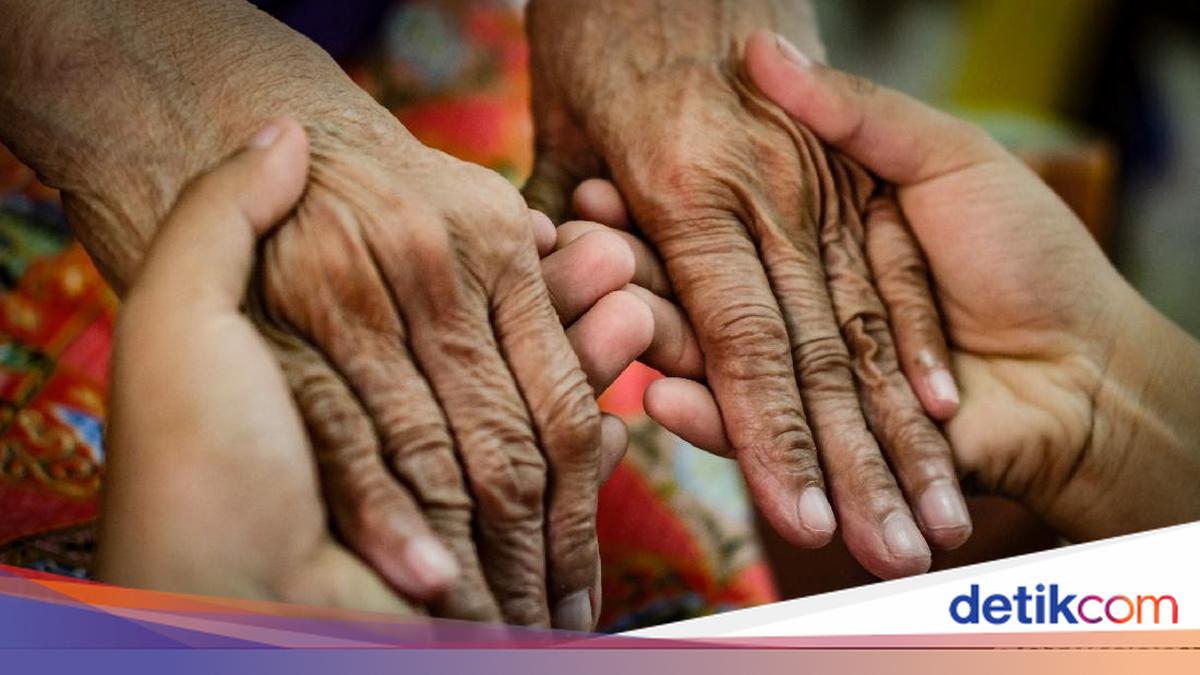
Bali province is beginning to face the ageing population phase, or population ageing, as the proportion of elderly residents has increased in recent years. This phase occurs when the percentage of the elderly population exceeds 10% of the total population. Based on data from the Bali Provincial Central Statistics Agency (BPS), the population composition by age group shows a rising trend in the elderly group (65 years and above), from 8.42% in 2020 to 9.89% in 2025. In contrast, the proportion of the working-age population (15-64 years) is declining, from 70.12% in 2020 to 69.53% in 2025. A decline is also occurring in the young age group (0-14 years), from 21.45% to 20.58%. “This means Bali’s population has entered the old age population stage. And it certainly needs to be addressed by the government regarding the necessary facilities,” said the Head of BPS Bali Province, Agus Gede Hendrayana Hermawan, on Tuesday (5/5/2026). Bali’s population dependency ratio also shows an increasing trend, although it remains below 50%. In 2020, the dependency ratio was recorded at 42.61%, then rose to 43.82% in 2025. “Well, 43.82% means that every 100 working-age people will support 43 to 44 non-productive people,” he said. On the other hand, Bali’s total fertility rate (TFR) is also declining. The TFR was recorded at 2.04% in 2020 and fell to 2.02% in 2025. “I think the regional government already has several policies to respond to this condition,” he added.