
Bali Education Office Agrees to Limit Services Rather Than Ban Students from Using Gadgets
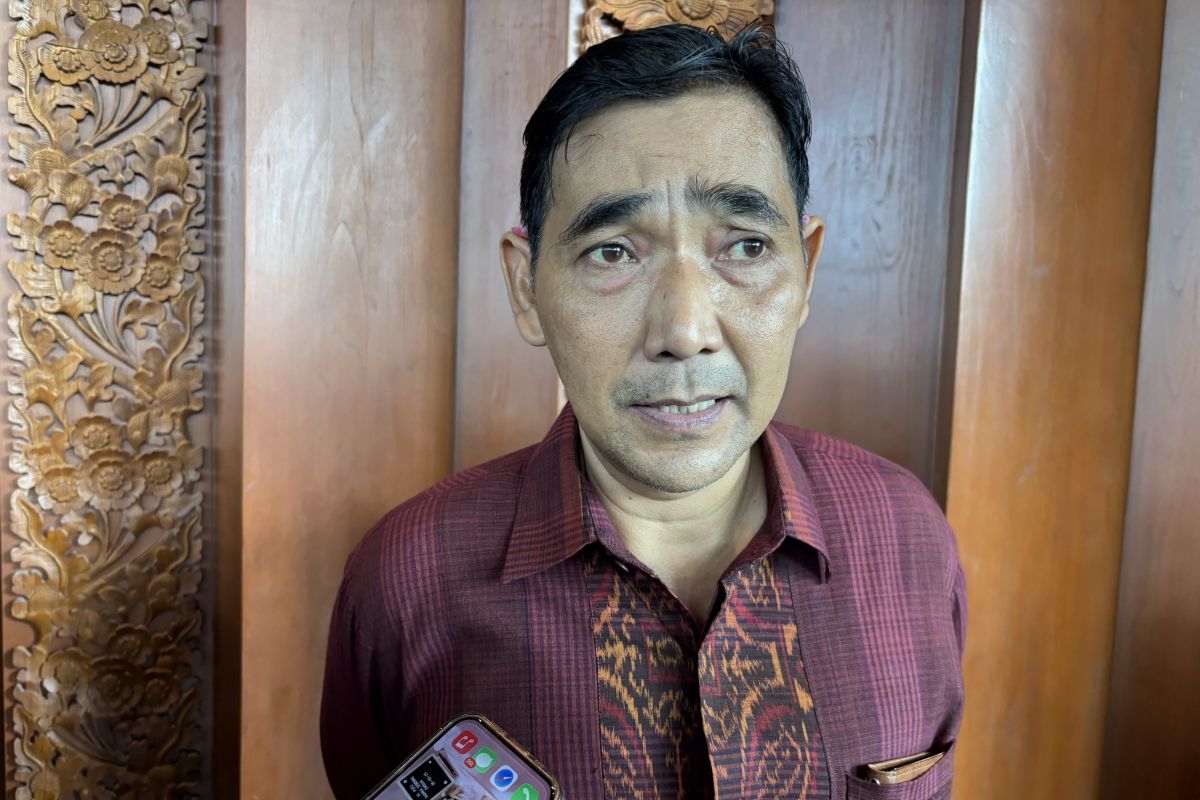
Denpasar (ANTARA) - The Bali Education, Youth, and Sports Office (Disdikpora) agrees with limiting the use of services for content on social media according to age rather than banning students from using gadgets. “This is what we’ve been waiting for; when there’s an issue about restricting mobile phone use in schools, in my opinion, it’s a blunder because we have no authority to restrict it, as the problem lies with the service providers and their features,” said the Head of Disdikpora Bali, Ida Bagus Gde Wesnawa Punia, in Denpasar on Saturday. He stated this in response to the effective implementation of Government Regulation (PP) No. 17 of 2025 on the Governance of Electronic Systems in Child Protection (PP Tunas). Disdikpora Bali agrees with the central government’s step to collaborate with service providers to regulate children’s activities in the digital space, as restricting students’ gadget use is not a solution in the era of digitalisation that requires students to understand technology. “With PP Tunas, if there are issues caused by services that harm children, there can be public complaints to Komdigi (Ministry of Communication and Digital) rather than restricting the use of the devices, especially now with distance learning patterns; if restricted, how will they learn?” he said. The Bali Provincial Government has even built the Turyapada Tower transmitter in Buleleng Regency to ensure network access to the remotest parts of Bali. This demands that local governments instead promote more complete teaching and learning facilities. By regulating service providers, the role of gadgets becomes more optimal. Disdikpora Bali stated there is no issue if social media often used by students to upload assignments or access information is now restricted by age. Because, he said, educators in Bali have never asked students to access beyond the limits. He gave an example of a case that occurred, involving slander and bullying, where students used social media to spread fake photos and videos about their friends. This harmful content ultimately led to the friend being bullied, even though the social media was only used by the school to support education. “No problem with that (age restriction); educators already know what can be consumed by students, what is public, and what is for adults, especially since mobile phones are integrated with child data from dukcapil, which cannot be falsified for age, so it will be detected if students want to access anything,” he said. He also emphasised the importance of educators receiving adequate training regarding social media restrictions. “Educators just need training, and we request representatives from central government agencies in the regions to help provide reinforcement so that there is no difference between central and local,” said Wesnawa.