
Bali Climate Emergency: Multi-Faith Religious Leaders Move to Save the Island
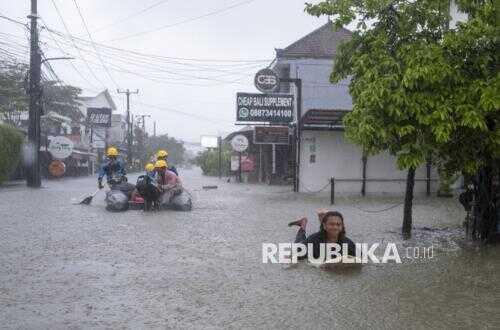
DENPASAR — Rising frequencies of natural disasters and extreme weather anomalies in Bali have prompted deep concern among religious leaders. They view the crisis not merely as a meteorological issue, but as a moral crisis threatening the sustainability of life on the Island of Gods.
Amid mounting casualties and material losses from floods and landslides reaching hundreds of billions of rupiah, multi-faith religious leaders have reached consensus that environmental stewardship is an urgent spiritual calling.
“Faith must not stop at ritual. It must become a force that protects humanity and cares for the Earth as our common home,” said Hening Parlan, Director of GreenFaith Indonesia, whilst opening an inter-faith meeting in Denpasar last weekend.
According to him, the climate crisis represents a moral crisis demanding collective responsibility. Each religion possesses theological foundations for environmental defence, from the Tri Hita Karana concept in Hinduism, the khalifah doctrine in Islam, the call to stewardship of creation in Christianity, to compassion toward all beings in Buddhism.
Data from the Regional Disaster Management Agency recorded approximately 50 disaster events in Bali between January and October 2025, dominated by floods, landslides, and extreme weather. Forty-one people lost their lives, 18 were injured, and 812 residents were affected or evacuated. Economic losses are estimated at Rp145.4 billion, a sharp increase compared to 2024, which recorded losses of approximately Rp11.8 billion.