
Bali Child Protection Commission Supports Digital Space Safeguards for Children Amid Rising Cases
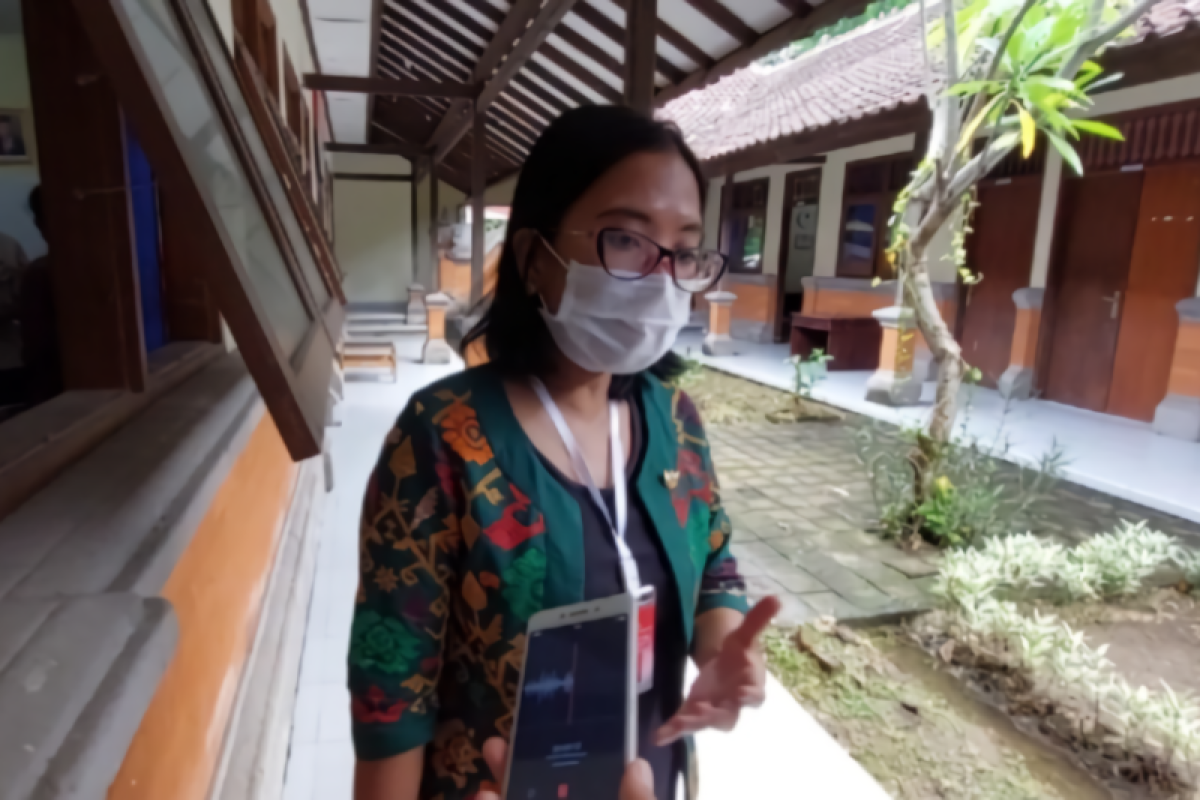
Denpasar (ANTARA) - The Bali Regional Commission for Child Monitoring and Protection (KPPAD Bali) supports the government’s efforts to protect children’s digital spaces amid the high number of such cases in the province. “We support this because we see the current condition of our children in the digital space where there is no protection; many children in Bali have become victims of bullying, then online-based sexual violence, and even the latest cases we have assisted involve children exposed to radicalism and terrorism through social media,” said Chair of KPPAD Bali, Luh Gede Yastini, when contacted in Denpasar on Saturday. She stated that with Government Regulation (PP) No. 17 of 2025 on the Governance of Electronic Systems in Child Protection (PP Tunas), there will be restrictions for children in accessing high-risk services or content. Furthermore, the role of parents as verifiers on children’s devices will be introduced to determine which services their children may access. She added that parents can also monitor their children’s activities according to their age. She gave an example of cases frequently handled by KPPAD Bali, such as bullying, which sometimes occurs on social media without parents’ knowledge. Bullying can appear in comment sections on social media, continuing persistently until it leads to physical bullying. Not infrequently, she said, children contaminated with such ideologies stem from being victims of bullying. Based on KPPAD Bali’s records, several social media platforms pose risks if not restricted, namely the game Roblox and the TikTok application. “In Roblox, we see how the game teaches our children to shoot at schools; it’s very concerning that children can feel that shooting at schools is normal, gradually children are being fed games that consider violence as ordinary,” said Yastini. She also mentioned short video clips watched by children. “Then children get a lot of information from a few seconds of TikTok videos, for example violence-related information, where after accessing it once, the algorithm will display related content,” she said. Based on cases of children in Bali exposed to violence, some time ago, KPPAD Bali understood that violent or radical content will continue to appear on children’s devices after the first view. “They click once and it will keep being sent because it’s considered of interest; after becoming more interested, they will be contacted, sent messages, invited to smaller groups, and eventually indoctrinated,” she stated. Therefore, she said, it is important to implement age-appropriate restrictions in the digital space. Moreover, PP Tunas has regulated age limits for content to be accessed and communication with social media service providers. “I think there is no violation of the right to social media here; indeed, PP Tunas is necessary because the regulation does not reduce children’s opportunities to use social media but limits spaces that should not be accessed, as this is not only parents’ duty but also the government’s as a regulator,” she said. Her side views the current challenge as how to connect this policy with digital literacy. She acknowledged that digital literacy in Bali is still not intensive enough, whereas it can be carried out by educators in schools so that PP Tunas can be effectively implemented and not just regulate service providers.