
Bali Cattle Export Quota Exhausted, Jembrana Farmers Anxious Over Price Drop
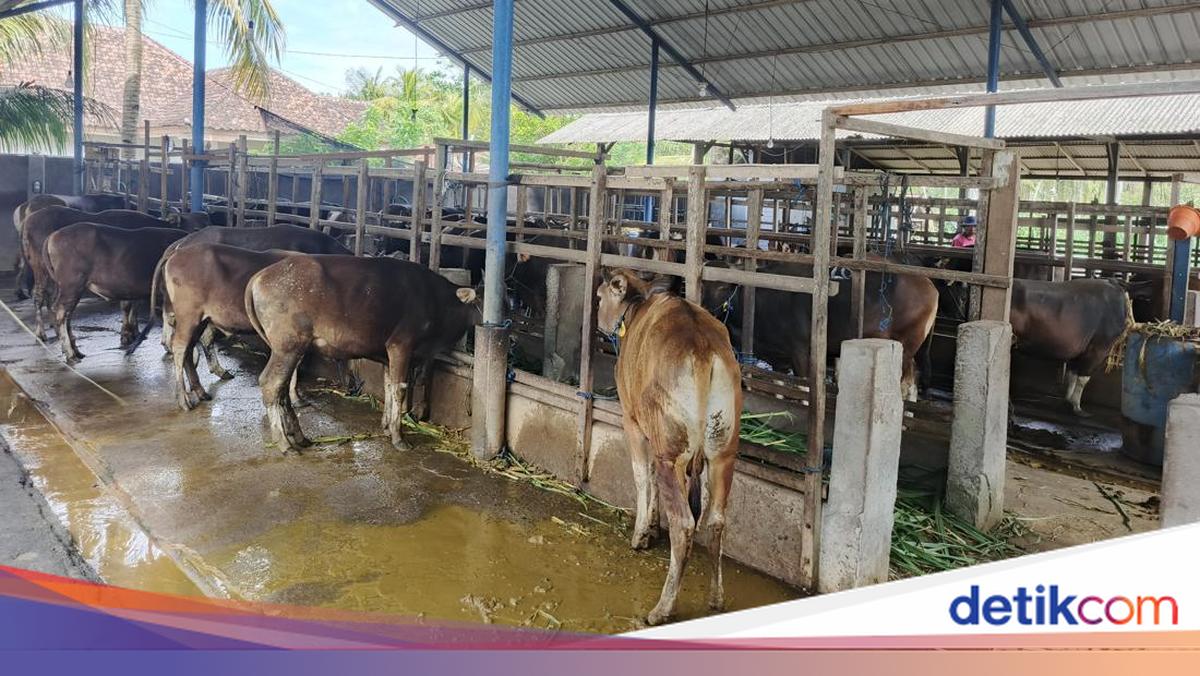
Shipments of slaughter cattle from Bali to Java, Sumatra, and Kalimantan ahead of Eid al-Adha 2026 are beginning to decline. This situation is triggered by the exhaustion of the 2026 cattle shipment quota, which is causing concern among farmers and entrepreneurs regarding the sustainability of distribution until the end of the year.
One cattle entrepreneur from Jembrana, I Gede Gunawantika (46), revealed that demand for cattle for this year’s Eid al-Adha is actually quite high, particularly from markets in Kalimantan and Jakarta. Cattle weighing 275 to 350 kilograms are the most sought after.
“Regarding Eid al-Adha 2026, demand is quite high. Prices have even risen by Rp 7,000 per kilogram, from the current Rp 44,000 to Rp 50,000 to Rp 51,000 per kilogram,” Gunawantika stated when met by detikBali on Wednesday (6/5/2026).
He noted that his business is relatively stable, with total shipments reaching 2,500 head, the same as last year. Overall, around 3,500 head of cattle for Eid al-Adha needs have been sent outside Bali. However, the quota issue is now the main obstacle.
“The 2026 quota of 50,000 head is already exhausted, and even the additional 3,500 head is depleted. We hope for additional daily quotas for needs from June to December,” he complained.
Gunawantika assessed that if the quota is not increased, the abundant stock of cattle at the farmer level will not be absorbed outside the region. This condition could potentially pressure local cattle prices.
“There are still many cattle in the fields, and farmers’ ownership is high. If there is no additional quota, prices will automatically plummet. Moreover, the current system involves competing for quotas with other entrepreneurs across Bali, not allocated per regency,” added Gunawantika.
Regarding animal health, Gunawantika assured that conditions this year are much better. Cases of Lumpy Skin Disease (LSD) have drastically decreased to almost none. Nevertheless, entrepreneurs now have to bear the Non-Tax State Revenue (PNBP) fee of Rp 100,000 per head since the emergence of Foot-and-Mouth Disease (PMK) and LSD cases.
Shipments Beginning to Slow
Separately, the Head of the Gilimanuk Animal Quarantine confirmed the decline in shipment volume compared to the previous week. Currently, the average daily inspection reaches 20 trucks with a total of around 400 head of cattle.
“The peak was last week, reaching more than 50 trucks per day with a total of nearly 1,000 head. It seems that this year shipments were done earlier, so three weeks before Eid al-Adha, they are already slowing down,” he explained.
Based on data from the Gilimanuk Animal Quarantine, from January to early May 2026, 48,000 head of cattle have been transported out of Bali. The quarantine side emphasised that quota matters are not their authority, but rather the domain of the Provincial Livestock Service.
“We only require a veterinary certificate from the province. That is the main requirement before the quarantine inspection process. So far, we ensure that the crossing cattle are healthy, with no indications of PMK or LSD,” he stressed.
To date, Bali continues to tighten regulations by prohibiting the entry of livestock (cattle, pigs, goats) from outside the region to maintain the surplus livestock status and biosecurity on the Island of the Gods.