
Balancing Tariffs, Commissions and Driver Protection Must Be a Priority in Online Ride-Hailing
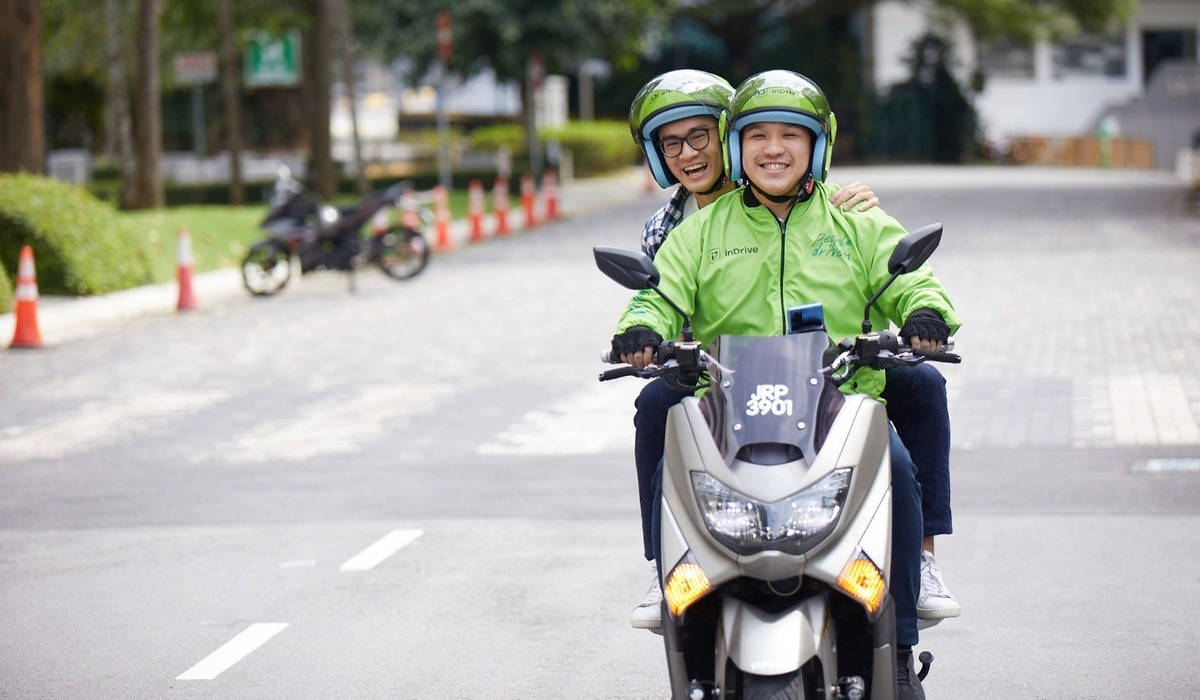
In the face of growing dynamics in the online ride-hailing industry across countries, including Indonesia, issues surrounding tariffs, commissions and the protection and welfare of drivers remain key concerns. These issues continue to evolve with regulatory changes, economic conditions, and expectations for a fairer and more transparent ecosystem. Regional Director APAC inDrive, Mark Tolley, said the driver actions across countries reflect a rising need for transparency, fairness and balance in the industry ecosystem. He emphasised that issues of tariffs, commissions and driver welfare are not confined to a single market but are a concern across APAC. ‘From the Asia-Pacific perspective, driver actions in various countries reflect the growing demand for transparency, fairness and balance in the ecosystem,’ Tolley said in a formal statement on Wednesday, 20 May. He explained that while common challenges such as rising operating costs and commission structures exist, each country has its own regulatory, economic and competitive context. Therefore, inDrive combines global principles of fairness and transparency with locally tailored approaches to stay relevant in each market. Local factors such as regulation and economic conditions are also considered influential in shaping industry dynamics, including tariff determination and the balance between demand and supply. In this context, they continue to ensure that every policy and approach takes account of the specific conditions in each country. In response to rising operating costs, including increases in fuel prices in some countries, the company advocates a price-negotiation model as a flexible and adaptive solution. This model allows drivers and passengers to agree tariffs directly, reflecting real-world conditions while maintaining affordability for users. ‘The price-determination model based on negotiation provides flexibility for drivers to adjust tariffs according to actual conditions, while also creating transparency because prices are set through mutual agreement,’ Tolley said. In building relations with the driver community, Tolley said they adopt an open and sustainable approach through various communication channels, regular meetings and local initiatives. In Indonesia, this approach is reinforced by the presence of driver lounges in several cities as spaces for interaction and direct feedback. On regulation, Tolley said the government plays a crucial role in creating a fair and sustainable ecosystem. Collaboration between government, industry players, and the driver community is seen as the key to creating policies that are relevant and adaptable to industry development. Specifically in Indonesia, discussions on tariff and commission structures are seen as part of the maturation process of ride-hailing. He regards transparency and a competitive commission structure as important factors in maintaining a balance between drivers’ needs and affordability for users. Regarding driver protection, Tolley said they continue to develop safety features in the app to protect both drivers and passengers, and to ensure transparency in every interaction on the platform. This approach aligns with the APAC regional strategy that prioritises safety and fairness. ‘Going forward, we will continue to focus on enhancing the driver experience, from more sustainable income opportunities to safety and flexibility in using the platform,’ Tolley concluded. The Commission V of the Indonesian DPR RI advocates for a stable legal umbrella for ojol through a revision of the LLAJ Law. Presidential Regulation 27/2026 sets an 8% cap on app platform deductions to protect partners’ welfare. A member of Commission V from PKS Abdul Hadi sees Presidential Regulation No. 27 of 2026 on Protection of Online Transport Workers as a breakthrough. Indonesian public interest in mobility with ride-hailing remains high, as shown by growth in users. Many rely on online transport for daily activities, from commuting to school to errands. The driver service provider Grab Indonesia has doubled the Raya Aid (BHR) programme funding for 2026 to IDR 100–110 billion for ojol drivers. The Digital Delivery Association is calling on the government to review limits on platform revenue sharing for ojol apps to a maximum of 8% as set in the ojol Perpres. Vehicle protection is provided through a Total Loss Only (TLO) scheme to give peace of mind against total loss of the vehicle. Thousands of residents queue calmly for rice and cash aid. The LPEU MUI launches the Red and White Housing Programme, a syariah-based housing scheme for informal sector workers, especially online motorcycle taxi drivers. The online transportation industry has become a pivotal driver of digital economic growth in Indonesia.