
Bahlil's Energy Diplomacy in Japan: Expert Views Indonesia as an Active Subject in the Global Supply Chain
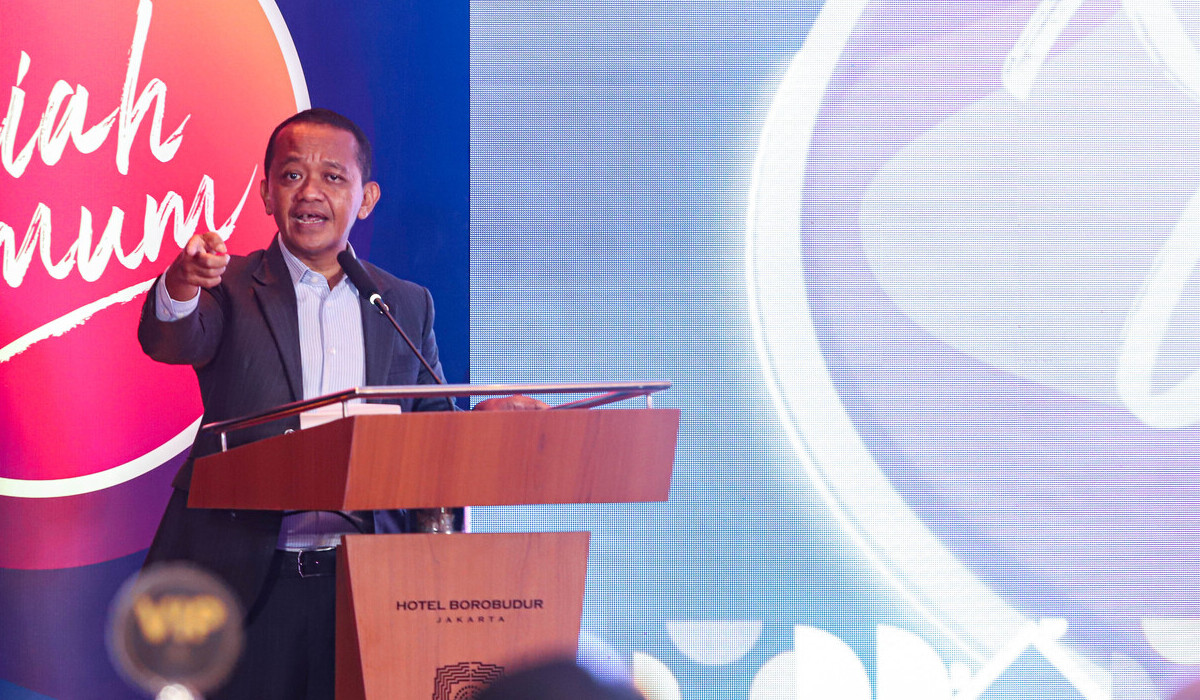
Energy diplomacy conducted by the Minister of Energy and Mineral Resources (ESDM) Bahlil Lahadalia in Tokyo, Japan, is seen as a strong signal of Indonesia’s shifting position on the global power map. Indonesia is now regarded not merely as a market object, but as a primary actor actively shaping its national interests.
Public policy observer and Professor at Sultan Agung Islamic University (Unissula) Semarang, Henry Indraguna, describes Bahlil’s steps as an effort to deconstruct the old narrative that often positions developing countries only as raw material suppliers.
“Indonesia is no longer an object in global power relations, but a subject actively defining its own interests. This elevates Indonesia in the global value chain,” stated Henry in his comments on Wednesday (25/3/2026).
During the mid-March 2026 visit, Minister Bahlil agreed on two memorandums of understanding (MoU) with Japan’s Minister of Economy, Trade, and Industry (METI), Ryosei Akazawa. The agreements cover strengthening critical mineral supply chains and developing low-carbon nuclear technology.
Additionally, the Indonesian government is pushing for accelerated investment by Inpex Corporation in the Abadi Gas Field Masela Block project, which has a massive investment value of Rp339 trillion.
“The legal certainty offered in the Masela project sends a positive signal to the global market that Indonesia is a credible partner. This is a form of fluid yet solid sovereignty,” he said.
Henry views the offer to manage strategic commodities such as nickel, bauxite, copper, and rare earth metals to Japan as a tactical step to secure added value domestically. This aligns with an economic growth concept emphasising investment in technology and human resources.
“Mr Bahlil’s steps to secure nuclear technology and nickel downstreaming are efforts to avoid being trapped in stagnant growth. The economy will grow from within through sustainable added value,” explained Henry.
Cooperation between the two countries is also expanded through the Asia Zero Emission Community (AZEC) framework, encompassing liquefied natural gas (LNG) projects, coal, and optimisation of the Sarulla geothermal power plant (PLTP) and Legok Nangka waste-to-energy solar plant (PLTSa).
While strengthening international cooperation, Henry reminds of the importance of legal oversight to ensure the MoU implementation remains aligned with national interests and sustainable energy independence.
“The utilisation of natural resources is not just about chasing growth figures, but also energy independence. This diplomacy is an important foundation to position Indonesia as a new energy power centre in the future,” concluded the Vice Chairman of the Board of Trustees of the Indonesian Advocates Congress (KAI).