
Bahlil Stresses No Option Yet for Restricting Subsidised Fuel!
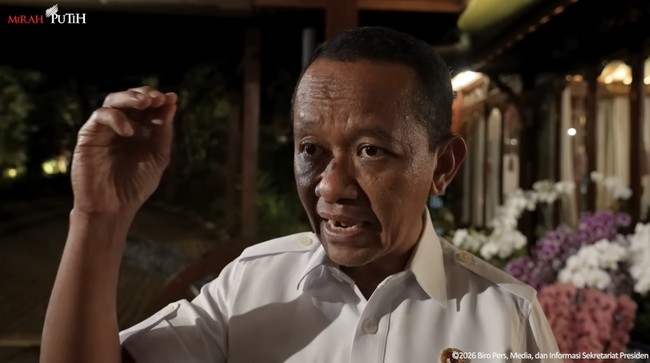
Jakarta, CNBC Indonesia - The Minister of Energy and Mineral Resources (ESDM), Bahlil Lahadalia, has stressed that the government currently has no plans to impose restrictions on subsidies for fuel (BBM). This holds true even as neighbouring countries like Malaysia have begun reducing energy subsidies.
According to Bahlil, the government continues to prioritise protection for the public, particularly the less fortunate. Therefore, there are no plans to limit energy subsidies at this stage.
“The President always instructs us to work diligently and carefully, taking into account the interests of our fellow citizens, the small people, and our society’s capacity. Up to now, we have no option to restrict subsidies,” Bahlil said when met at the Coordinating Ministry for the Economy on Friday (27/3/2026).
He then assured that there have been no changes to the fuel subsidy scheme, including no price increases for subsidised fuel. Nevertheless, he acknowledged that dynamic global conditions could influence future policies.
“We’ll see about that. That’s why we follow these dynamics. They change very quickly—weekly or monthly. The important thing for us is to ensure that fuel stocks are all clear,” Bahlil stated.
As is known, Malaysia’s Prime Minister Datuk Seri Anwar Ibrahim officially announced the government’s strategic steps to address the threat of a global energy crisis triggered by escalating tensions in West Asia.
In a special announcement on Thursday (26/03/2026), Anwar emphasised that the government is compelled to make temporary adjustments to the quota for subsidised fuel (BBM) to safeguard the country’s fiscal resilience.
This step was taken after the burden of fuel subsidies surged dramatically in a short time. Anwar explained that the subsidy value had sharply increased from an initial 700 million ringgit (Rp 2.96 trillion) to 3.2 billion ringgit (Rp 13.55 trillion) due to the spike in global crude oil prices.
“Insha Allah, I will outline the nation’s strategic steps to enhance preparedness in facing the global energy crisis arising from the conflict in West Asia, with a firm, structured approach focused on the people’s interests and national resilience,” Anwar Ibrahim stated on Thursday (26/3/2026).
In the latest policy, effective from 1 April onwards, the Malaysian government has decided to adjust the monthly quota for the Budi Madani RON 95 (Budi95) subsidy programme, or RON 95 petrol. The quota, previously 300 litres per month, has been cut to 200 litres per month for private vehicle users.
The government explained that this measure is a necessary form of fiscal discipline to prevent the national budget from collapsing. Although the quota has been reduced, Anwar assured that the retail price of RON95 petrol will remain at the subsidised level to protect the broad public’s purchasing power.
“The decision to maintain the RON 95 petrol price at 1.99 ringgit (Rp 8,431) per litre is a carefully considered step to avoid burdening the people, even as global crude oil prices surge,” Anwar said.
Anwar added that around 90 per cent of Malaysians will not be significantly affected by this quota adjustment.
Based on government data, the majority of users consume only about 100 to 200 litres of petrol per month, so the 200-litre figure is deemed sufficient for the daily needs of most citizens.
“Every ringgit saved will be channelled back to the people through initiatives like Sumbangan Tunai Rahmah (STR) and Sumbangan Asas Rahmah (SARA), in addition to improving clinic and hospital facilities, repairing roads, and strengthening infrastructure,” Ibrahim remarked.
In addition to the quota adjustment for the general public, the Malaysian government continues to provide special exemptions for crucial sectors. E-hailing drivers and logistics riders still receive a subsidised quota of 800 litres per month to ensure smooth urban mobility and maintain stability in transport service prices.