
Bahlil Speaks Candidly on Plans to Halt Tin and Other Raw Commodity Exports
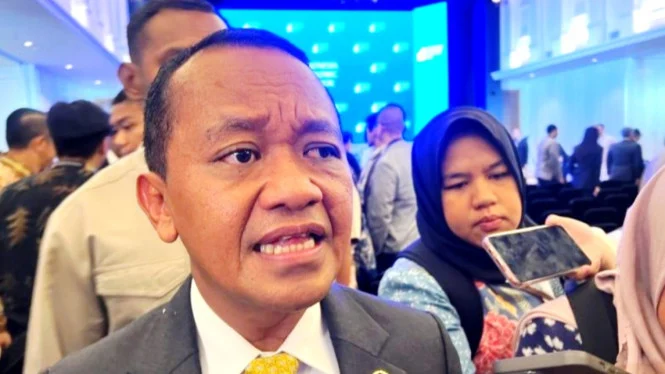
Jakarta, VIVA – Minister of Energy and Mineral Resources Bahlil Lahadalia has announced plans to halt tin exports along with a number of other raw commodities.
While continuing to review the proposal, Bahlil affirmed that raw commodity exports would eventually be replaced by domestically processed downstream products to strengthen Indonesia’s economic structure.
“Last year we banned bauxite exports. And in the coming year, we will review several other commodities, including tin,” Bahlil said in a statement on Sunday, 15 February 2026.
He acknowledged the policy was being considered by the government, drawing on the success of the nickel ore export ban implemented in 2018–2019. The results were overwhelmingly positive, with total nickel exports surging tenfold during the 2023–2024 period.
Bahlil explained that Indonesia’s total nickel exports, which stood at just US$3.3 billion in 2018–2019, skyrocketed to US$34 billion in 2024 — a tenfold increase following the nickel ore export ban.
“This is what drives equitable economic growth and creates employment,” Bahlil said.
Rather than merely exporting raw materials, Bahlil urged business operators to build downstream processing facilities domestically so that the added value of mineral commodities could benefit the public.
“I invite our colleagues to build downstream investment within the country,” Bahlil said.
Moreover, President Prabowo has designated 18 downstream projects as national priorities for 2026, with a combined investment value of Rp618 trillion spanning various strategic sectors. All projects are targeted to commence operations in 2026, encompassing bauxite and nickel processing, coal gasification, and oil refining.
The products from these downstream projects are also intended to replace imported goods from abroad. Bahlil therefore invited domestic investors, including the banking sector, to channel their funds into these national strategic projects.
“All the products are designed to create import substitution. This is a captive domestic market. This is an opportunity for the banking sector to provide financing. Do not miss this chance, otherwise people will think that the added value from downstream processing is only being captured by our foreign counterparts,” he said.