
Bahlil Proposes Differentiating Taxes on Fuel and Electric Vehicles
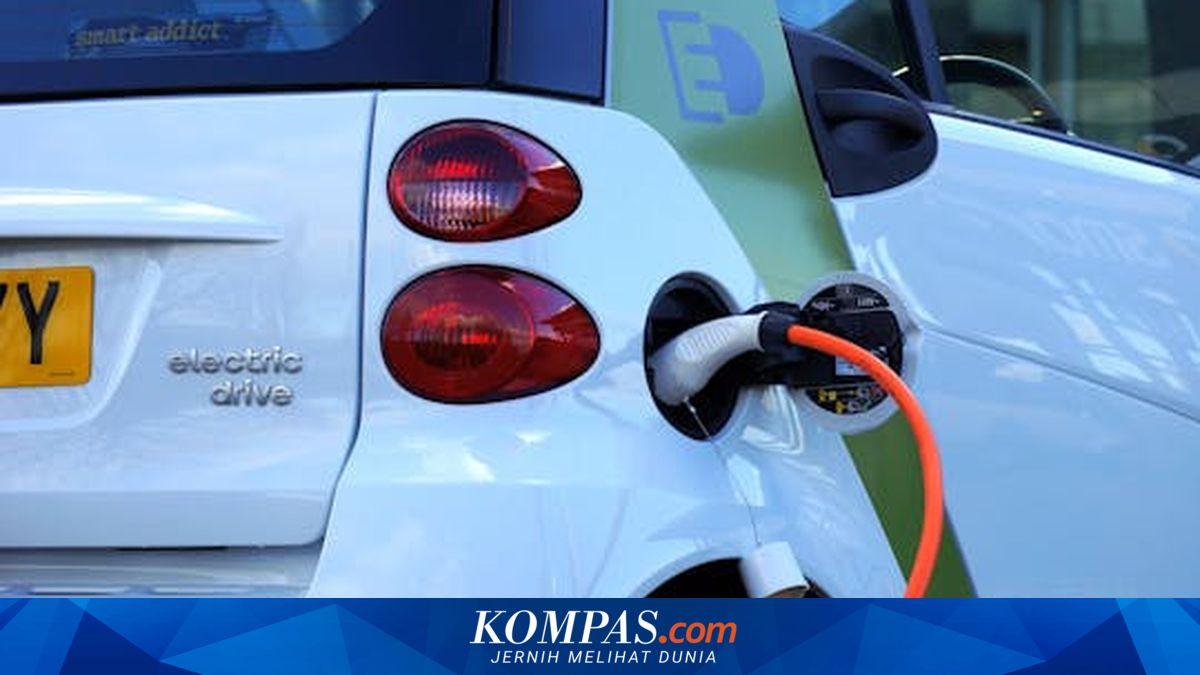
JAKARTA - Indonesia’s Minister of Energy and Mineral Resources (ESDM), Bahlil Lahadalia, has opened discussions on differentiating tax treatments between vehicles powered by fuel (BBM) and electric vehicles. This step is seen as one strategy to accelerate the transition from fossil fuels to cleaner energy, while also promoting the penetration of electric vehicles in the domestic market. “Perhaps in the future, we need to create policies where vehicles using petrol might have different tax treatments compared to electric vehicles, because they are cheaper, environmentally friendly, and do not depend on imported fuel,” he stated at the IPB Alumni Synergy for the Nation event, broadcast online on Monday (4/5/2026). “The costs are relatively cheaper, so the conversion to electric vehicles needs to be continuously encouraged,” he added. On the regulatory side, discussions on electric vehicle taxes are ongoing. Previously, electric vehicles enjoyed exemptions from Motor Vehicle Tax (PKB) and Motor Vehicle Ownership Transfer Duty (BBNKB). However, through Minister of Home Affairs Regulation Number 11 of 2026, electric vehicles are no longer automatically excluded. In other words, the possibility of imposing PKB and BBNKB is now open. Nevertheless, the regulation still provides room for incentives. Article 19 states that battery-based electric vehicles can receive exemptions or reductions in taxes, both for new units and those already in circulation before 2026. Not long after, Minister of Home Affairs Tito Karnavian instructed all regional governments to continue providing fiscal incentives for electric vehicles. This was outlined in Circular Letter Number 900.1.13.1/3764/SJ dated 22 April 2026. In the circular, governors are asked to consider exemptions from PKB and BBNKB for electric vehicles as an effort to maintain economic stability amid global energy price fluctuations, while supporting the development of renewable energy. Regional governments are also required to report the policies taken regarding these incentives to the Ministry of Home Affairs no later than 31 May 2026.