
Bahlil: Middle East conflict has not yet disrupted Indonesia's fuel supply
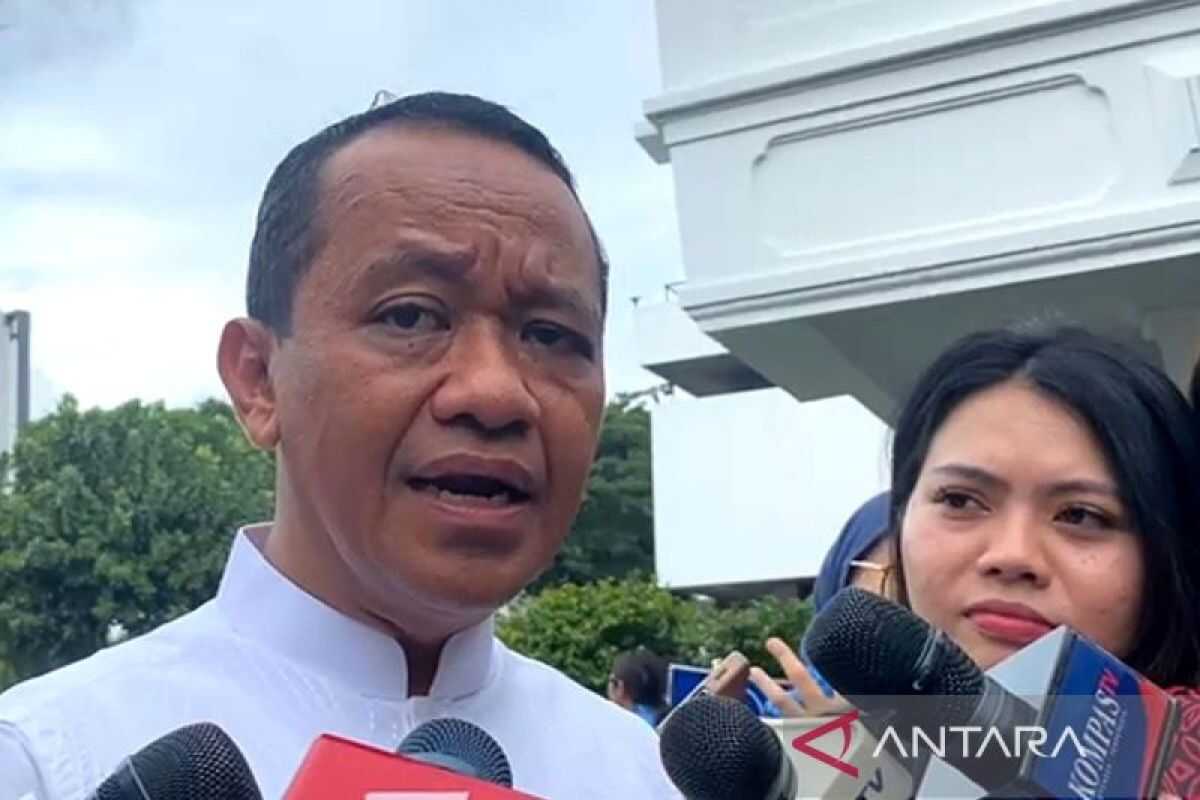
Jakarta – Indonesian Energy and Mineral Resources Minister Bahlil Lahadalia said that the conflict between the United States-Israel and Iran has not yet disrupted the national energy supply, including petrol (BBM) domestically. He made the remarks after attending a limited meeting (rapat terbatas) chaired by President Prabowo Subianto at the Presidential Palace complex in Jakarta on Wednesday.
‘Up to now, the petrol supply has not been disrupted,’ he said when asked about the impact of the war in the Middle East on domestic fuel conditions. Although, in the next one to two months Indonesia’s energy supply conditions remain secure, Bahlil admitted that if the conflict lasts longer, its impact on global supply chains cannot be avoided. ‘But, in the long term, if the war lasts, it will surely have an impact. That is for sure,’ he added.
Bahlil explained that the government has anticipated potential risks through discussions within the National Energy Council (DEN). In that forum, it was identified that around 25 percent of Indonesia’s crude oil imports originate from the Middle East and pass through the Hormuz Strait, which is currently under full guard by Iran’s Revolutionary Guards. As a mitigation scenario, the government has begun shifting a portion of crude import sources to the United States and other countries not connected to the Hormuz route.
According to Bahlil, this policy is designed to maintain supply stability in the event of distribution disruptions in the conflict area.
‘From that 25 percent, we have already shifted the anticipation to the United States or to regions not linked with the Hormuz Strait,’ he said.
Meanwhile, for LPG, Bahlil guaranteed there is no supply problem. As for petrol imports, Indonesia’s imports mainly come from the Southeast Asian region rather than the Middle East, so it is relatively not affected by the geopolitical situation.
With this sourcing shift, Bahlil emphasised that the country’s energy condition remains safe and under control for now.