
Bahlil meets with President at Palace to discuss energy supply amid Iran conflict
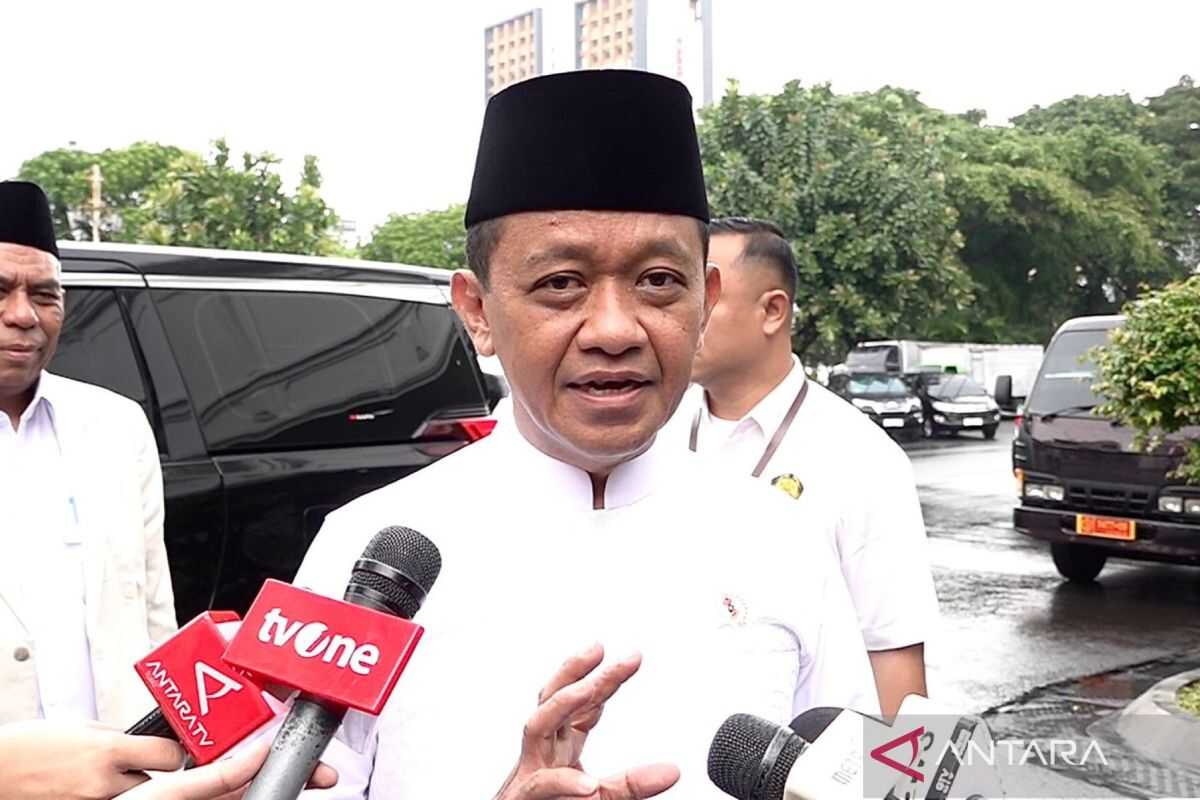
Jakarta – Indonesia’s Minister of Energy and Mineral Resources Bahlil Lahadalia met with President Prabowo Subianto at the Presidential Palace in Jakarta on Monday to discuss the nation’s energy situation amid escalating conflict in Iran.
“This concerns the current situation, geopolitics, particularly the closure of the Strait of Hormuz, Iran,” Bahlil said before the limited meeting at the Presidential Palace Complex in Jakarta on Monday.
He explained that one of the key issues discussed with the President involved preparing for global oil supply disruptions. Indonesia continues to import energy, particularly ahead of the Lebaran period when fuel consumption increases significantly.
Bahlil noted that global crude oil prices, including Brent crude, have shown gradual increases following the escalation in the Middle East.
“There have been some price movements upwards,” he stated.
However, he assured that Indonesia’s national fuel reserves remain within safe limits. Regarding the impact on energy subsidies, Bahlil indicated that there are currently no problems, though global energy prices may face correction if political tensions continue to escalate.
Bahlil said he would convene a meeting with the National Energy Council (DEN) to discuss anticipatory measures and alternatives to ensure domestic energy security.
“Tomorrow I will meet with the National Energy Council. After that, I will present the analysis and findings from the DEN,” he added.
On Saturday, 28 February, Israel and the United States launched military strikes against Iran. This marked the second attack during US President Donald Trump’s administration since the first strike in June 2025.
Trump stated that American forces launched a major military operation against Iran to protect the nation against what he described as threats stemming from Iran’s alleged nuclear weapons development.
The United States and Iran had previously conducted three rounds of indirect negotiations on Iran’s nuclear programme, mediated by Oman. The first and second rounds took place earlier this month in Muscat and Geneva, focusing on limiting uranium enrichment and supplies in exchange for sanctions relief.
The third round of negotiations took place on Thursday, 26 February in Geneva, amid rising regional tensions.