
Bahlil: Import of US bioethanol to meet domestic production shortfall
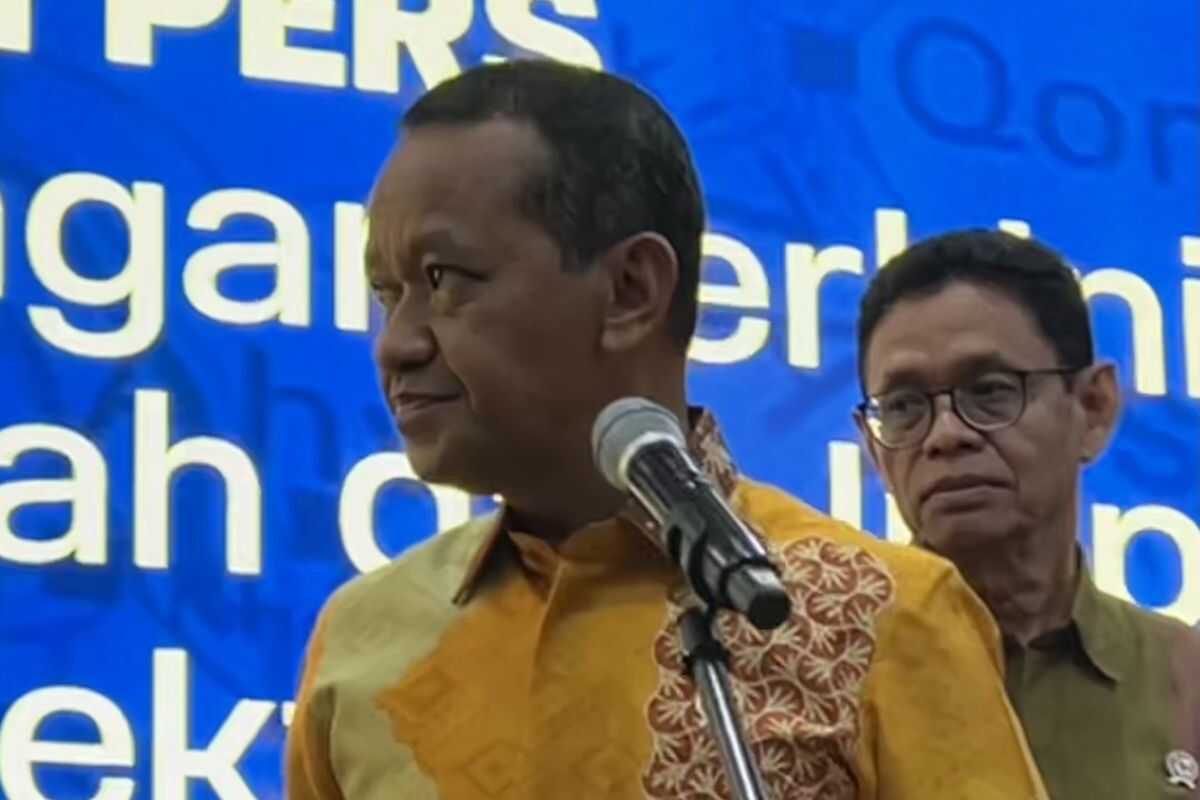
Jakarta (ANTARA) - Energy and Mineral Resources Minister Bahlil Lahadalia said plans to import bioethanol from the United States will be pursued to fill the gap between domestic demand and production. “For this ethanol import, if there is a shortfall between our needs and production. For instance, production is 10 and our demand is 20, the shortfall of 10 could be imported, including from America,” he said after a press conference on the Latest Developments in the Middle East and Implications for the ESDM Sector, held at the ESDM Ministry Office, Jakarta, Tuesday (3/3).
Regarding the specifications of bioethanol imported from the United States, Bahlil said the purity must be 99.9 percent. The specification is intended to prevent disputes, because the imported bioethanol will be used for motor fuel (BBM).
In addition to BBM, the imported ethanol can also be used for cosmetics and industrial materials.
For bioethanol intended for other uses (besides BBM blending), Bahlil left the specifications to the relevant factories to determine, noting that it depends on factory specifications and the industrial needs they will use it for.
“And that depends on the factory specifications and the industrial needs they will use it for,” he said.
Earlier reports noted that the government opened opportunities to import ethanol, including from the US, as part of developing clean energy, such as the gradual implementation of mandatorily blending bioethanol.
The programme is planned to begin with E5 in 2028 and E10 in 2030, moving towards E20, considering production readiness, distribution, and supporting infrastructure.
To support this transition, the government is opening space for trade cooperation with various partners, including the United States, proportionally and measurably according to domestic needs.
The policy is accompanied by efforts to strengthen domestic production capacity so that the national bioethanol industry can grow sustainably.
Overall, the implementation of the Agreement of Reciprocal Trade (ART) in the energy and mineral resources sector is designed to unfold gradually, be measured, and aligned with national interests.