
Bahlil Guarantees No Increase in Subsidised Fuel and LPG Prices
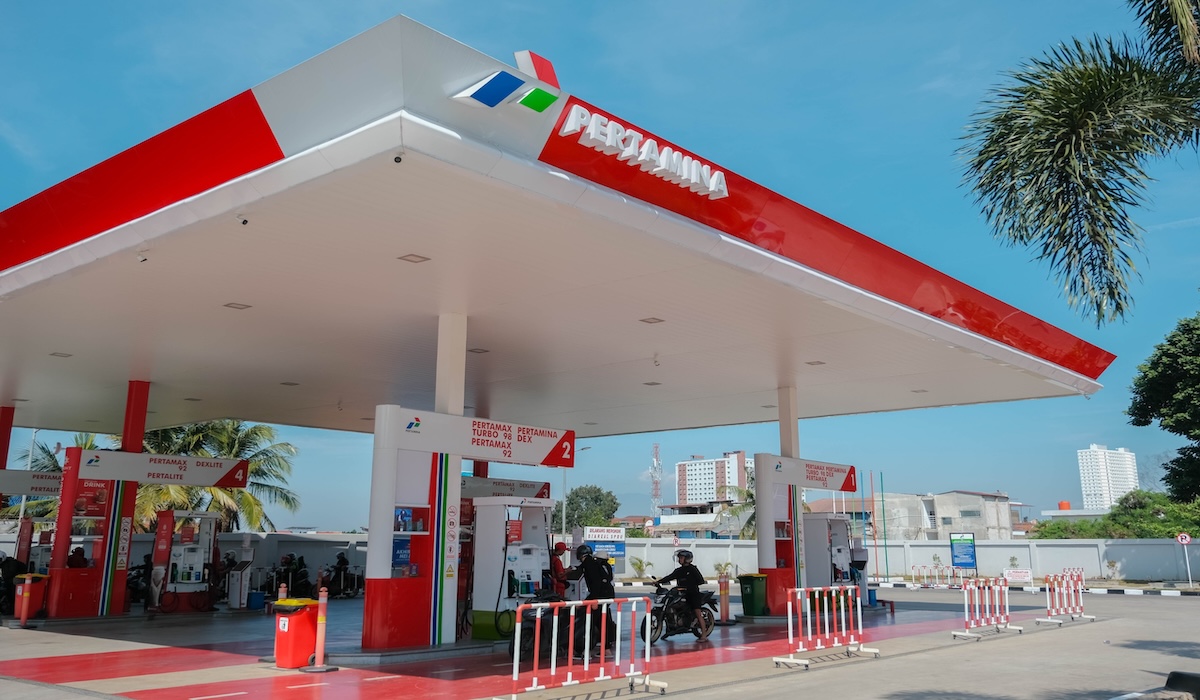
The government has ensured that the prices of subsidised Fuel (BBM) and Liquefied Petroleum Gas (LPG) will not undergo any changes. This step is being taken as a strategic effort to maintain public purchasing power, particularly for low-income groups.
The Minister of Energy and Mineral Resources, Bahlil Lahadalia, emphasised that the government currently has no plans to raise the prices of energy products that receive state subsidies. This statement was made to alleviate public concern amidst price adjustments for several non-subsidised energy products.
“We are conveying that the prices of subsidised fuel and LPG will not change at all. That is the current position,” Bised Bahlil when providing a statement to the media at the Presidential Palace on Thursday.
Bahlil explained that there is a difference in policy between subsidised and non-subsidised products. For non-subsidised fuel, prices will continue to be adjusted following market mechanisms and global price developments. However, he guaranteed that the calculation process will continue to be conducted wisely by business players, including PT Pertamina (Persero) and private entities.
Regarding the impact of non-subsidised price fluctuations, Bahlil mentioned that the government is currently refining various policy instruments to ensure public consumption remains stable. Maintaining subsidised prices serves as the primary instrument for protecting vulnerable communities.
“The government is working on matters related to maintaining public purchasing power. Therefore, to protect purchasing power, especially for subsidised fuel, we are not increasing it at all,” he asserted.
Currently, the government continues to conduct evaluations and intensive coordination with business players to monitor the impact of energy prices in the market. Bahlil emphasised that the government’s main focus is to provide protection to lower-economic groups through precisely targeted subsidy schemes.
“We are exercising all alternatives. The important thing is that we protect our brothers and sisters in the lower economic bracket. Users of non-subsidised products are those who possess better economic capacity,” Bahlil concluded.