
Bahlil: Even if the entire world is affected, Indonesia's energy stock is secure
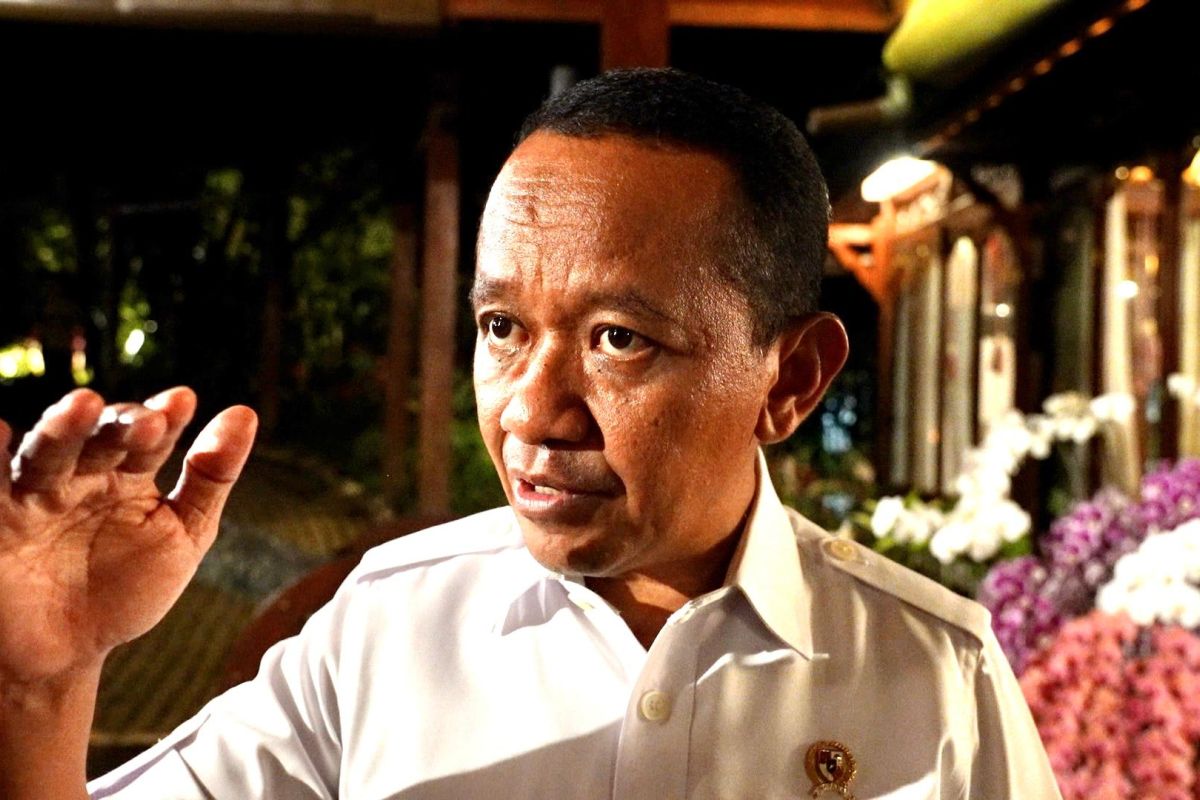
Jakarta (ANTARA) - Minister of Energy and Mineral Resources (ESDM) Bahlil Lahadalia stated that even though energy stocks in nearly the entire world are affected by the US-Iran war, Indonesia remains in a safe condition.
“Even in a situation where almost the whole world is impacted, we give thanks to Allah; today, fuel oil in our beloved country, whether petrol, diesel, or LPG, is well fulfilled,” Bahlil said during an inspection in Central Java, monitored online from the ESDM Ministry in Jakarta on Thursday.
Bahlil explained that Indonesia’s oil reserves still meet the national minimum standard, ranging from 21 to 28 days. He emphasised that these reserves do not mean Indonesia’s fuel will run out in 28 days.
The reserves will continue to be replenished after the oil is distributed, as the government is optimising oil processing facilities in the form of refineries in Indonesia.
Bahlil also stated that the supply of crude oil, which will later be processed in these refineries, has been ensured to be in a safe condition, as the government has sought alternative imports.
“We know that 20 percent of our crude (crude oil) comes from the Strait of Hormuz. Now, we have switched to other places, and the supply, God willing, has started to improve,” Bahlil said.
The Philippine government on Tuesday (24/3) became the first country to officially declare a national emergency due to disruptions in the global energy supply chain following the conflict in the Middle East region.
According to a GMA News report, President Ferdinand Marcos Jr. has signed an executive order that formally imposes a state of emergency and activates a national response to restore energy supply stability and prevent economic impacts from rising fuel prices.
The Philippines sources nearly 26 percent of its national energy needs from the Middle East region, with a total budget spent on Middle Eastern energy in 2024 reaching 16 billion US dollars.
Tensions in the Persian Gulf region have escalated since Israel and the US launched a joint attack on Iran on 28 February, which so far has reportedly killed around 1,340 people, including Iran’s Supreme Leader Ayatollah Ali Khamenei.
Iran then retaliated against that military aggression by launching drone and missile attacks targeting Israel, Jordan, Iraq, and Gulf countries that host US military assets.
Tehran also took control of the Strait of Hormuz, a vital shipping route for global oil supplies, with most energy supplies for Asian countries certainly passing through that area.