
Bahlil Emphasises Strengthening Collaboration with Indo-Pacific Energy Ministers
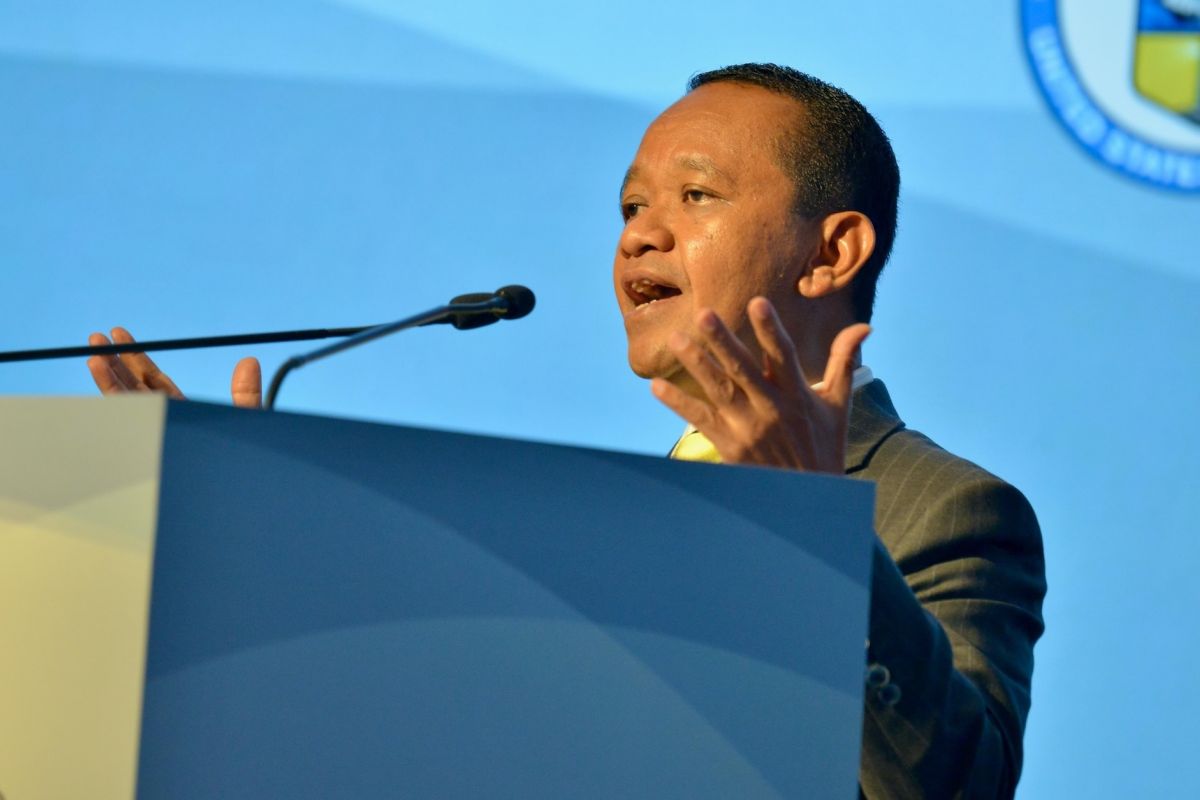
Jakarta — Indonesia’s Minister of Energy and Mineral Resources, Bahlil Lahadalia, has emphasised the importance of mutually beneficial collaboration between nations whilst addressing Energy Ministers from the Indo-Pacific region at the Indo-Pacific Energy Security Ministerial and Business (IPEM) Forum in Tokyo, Japan.
“Amid current uncertainty in global energy supplies, we need to strengthen collaboration that uplifts one another rather than tearing each other down,” Minister Bahlil told forum delegations comprising energy ministers and industry stakeholders from across the Indo-Pacific.
According to a statement received in Jakarta on Sunday, he noted that geopolitical tensions have brought energy security concerns back to the forefront of the forum’s discussions.
The meeting of energy ministers and industry figures from Indo-Pacific nations served as a platform for discussing how countries in the region could strengthen cooperation to support energy resilience, which is increasingly critical amid Middle East conflicts.
“Indonesia demonstrates this commitment by, among other measures, sending 150 liquefied natural gas cargoes in 2025 to support global energy supplies. Additionally, Indonesia supplies approximately half of globally traded coal,” he added.
According to the Energy and Mineral Resources Minister, Indonesia’s large-scale energy exports contribute significantly to strengthening global energy supplies.
Bahlil also noted that when mutually beneficial collaboration is not pursued, each nation must prioritise the interests of its domestic population.
“As an oil-importing nation, if we cannot secure our oil needs, we have no choice but to utilise the energy resources available domestically, including increasing the proportion of crude palm oil converted into biodiesel,” he explained.
Indonesia is currently the world’s largest producer and exporter of crude palm oil (CPO). The country exports up to 30 million tonnes of CPO annually.
Bahlil further explained that amid current energy scarcity, each nation prioritises its own needs.
“Despite the Paris Agreement urging a transition away from coal, the reality is that many nations are currently increasing their coal imports from Indonesia,” he said.
At the same time, the government remains committed to driving energy transition and developing renewable energy, including diversifying energy sources to strengthen national energy security.
This commitment is reflected in President Prabowo Subianto’s directive for Indonesia to develop solar power plants (PLTS) with a capacity of 100 gigawatts (GW).
“Indonesia is deeply committed to continuing to drive energy transition, including through the 100 GW PLTS programme with short-term priorities including replacing diesel power plants with solar installations,” he affirmed.
The international forum in Tokyo brought together governments and energy businesses to discuss energy supply security in the Indo-Pacific region. The event was jointly organised by Japan’s Ministry of Economy, Trade and Industry (METI) and the United States’ National Energy Dominance Council.
The meeting produced a joint statement emphasising the importance of strengthening regional energy resilience whilst respecting each nation’s chosen energy transition pathway.