
Bahlil: Economic Pressures Similar to Covid Era, Government Holds Back Fuel Price Hike
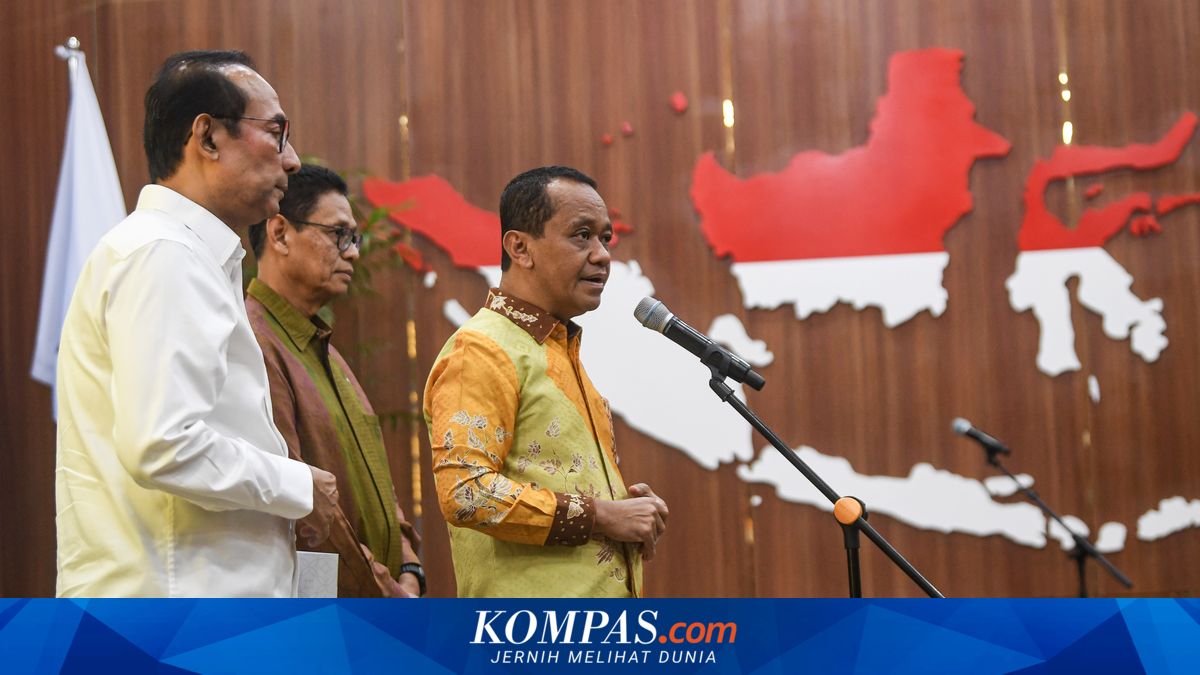
JAKARTA - Golkar Party Chairman and Minister of Energy and Mineral Resources, Bahlil Lahadalia, assesses that the current economic conditions for the public and oil price dynamics amid the Iran war turmoil are similar to the Covid-19 pandemic situation.
He revealed the government’s reasons for holding back increases in fuel prices (BBM) even though liquefied petroleum gas (LPG) reserves were once below safe levels.
“If we raise fuel prices in normal conditions, there might still be sensitivity because people don’t face extraordinary economic pressures. But now the economic pressure is high. This is actually like Covid,” said Bahlil, at the Golkar Party DPP Building, on Wednesday (8/4/2026).
He assesses that the current economic pressures are similar to the Covid-19 pandemic situation, although social conditions have returned to normal.
“The difference with Covid is that we couldn’t leave the house because of the disease. Here we can leave the house, but the economic pressure is not much different from Covid,” he said.
According to him, around 75 percent of national LPG needs still come from imports. From total LPG consumption of 8.5 million tonnes per year, domestic production only reaches around 1.6 million tonnes.
“So that’s what makes imports give me a headache, sleep is a bit troublesome,” he said.
He even revealed that on 4 April, national LPG reserves were once below 10 days, or below the ideal national energy resilience threshold.
“Well, on the 4th yesterday, our LPG reserves were less than 10 days. Ideally, it must be at least 10 days,” said Bahlil.
“Alhamdulillah, we were able to direct several of our cargoes. Negotiations with Japan succeeded, then Australia and Brunei Darussalam. And now ships have entered and our reserves are now above 10 days for LPG,” he explained.
In addition, the government is also continuing to encourage increases in domestic energy production, including through accelerating the Refinery Development Master Plan (RDMP) project in East Kalimantan, which can increase production of petrol, diesel, and LPG.
Bahlil emphasised that various such measures are taken to maintain energy stability while protecting the public’s purchasing power amid global economic pressures.