
Bahlil Admits Middle East Conflict Fuelling Indonesia's Energy Subsidies
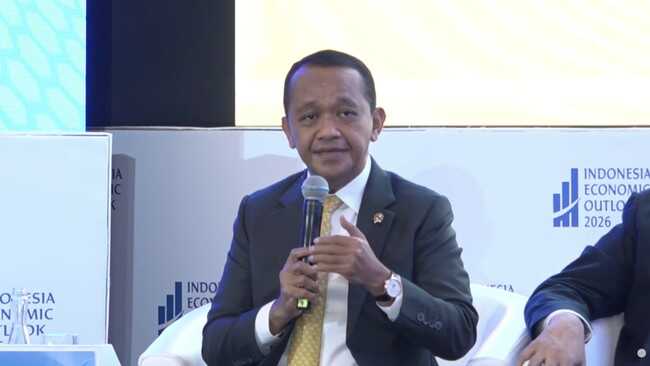
Jakarta, CNBC Indonesia - Energy and Mineral Resources Minister Bahlil Lahadalia has admitted that the current geopolitical situation is influencing energy subsidies, particularly in the wake of the closure of the Strait of Hormuz, a key logistics route for energy imports from the Middle East. In truth, Bahlil said, there is no issue with energy availability in Indonesia; the problem is the potential for energy prices to surge, which could affect energy commodities subsidised by the state. ‘What cannot happen is a price rise that impacts subsidies. So we are now calculating carefully, with caution,’ he said at the Ministry of ESDM office in Jakarta, quoted on Thursday (5 March 2026).
Following the conflict between Iran and Israel/the United States, Iran decided to close the artery of world oil traffic through the Strait of Hormuz, which handles around 20.1 million barrels per day. For Indonesia, around 19% of national oil imports come via the Strait of Hormuz. At present two Pertamina cargo oil tankers are still trapped in the narrow waters of the Persian Gulf.
As a substitute, Bahlil explained that Indonesia has begun importing from the United States gradually. ‘Gradual means gradual; we cannot come all at once because our storage capacity is not sufficient. The problem now is storage, which is why we want to build storage now; otherwise we never think about it,’ Bahlil said at the ESDM Ministry office, quoted Thursday (5 March 2026).
He added that President Prabowo Subianto has also instructed Indonesia to promptly build storage tanks for fuel oil (BBM storage), so Indonesia can be more resilient against similar conditions. ‘If we talk about survival, we must really identify the core issue and resolve it promptly. If not, we will remain dependent,’ he asserted.
Earlier, Pertamina’s Vice President of Corporate Communications Muhammad Baron confirmed that crude oil cargoes from the Middle East currently account for around 19% of total import value. ‘Around 19%, and we are already distributing via regular, alternative, and emergency systems. So for national energy resilience, Pertamina has announced these systems to meet national needs,’ Baron said at Grha Pertamia, quoted Wednesday (4 March 2026).
Pertamina is currently coordinating with relevant parties to ensure it can continue to meet national energy needs. ‘The alternatives we are pursuing are still in process because this is only a matter of days. We will later update the media on the readiness of these alternative processes,’ Baron emphasised.