
Badung DPRD Questions Surge in Religious Holiday Assistance Recipients to 104,000 Households
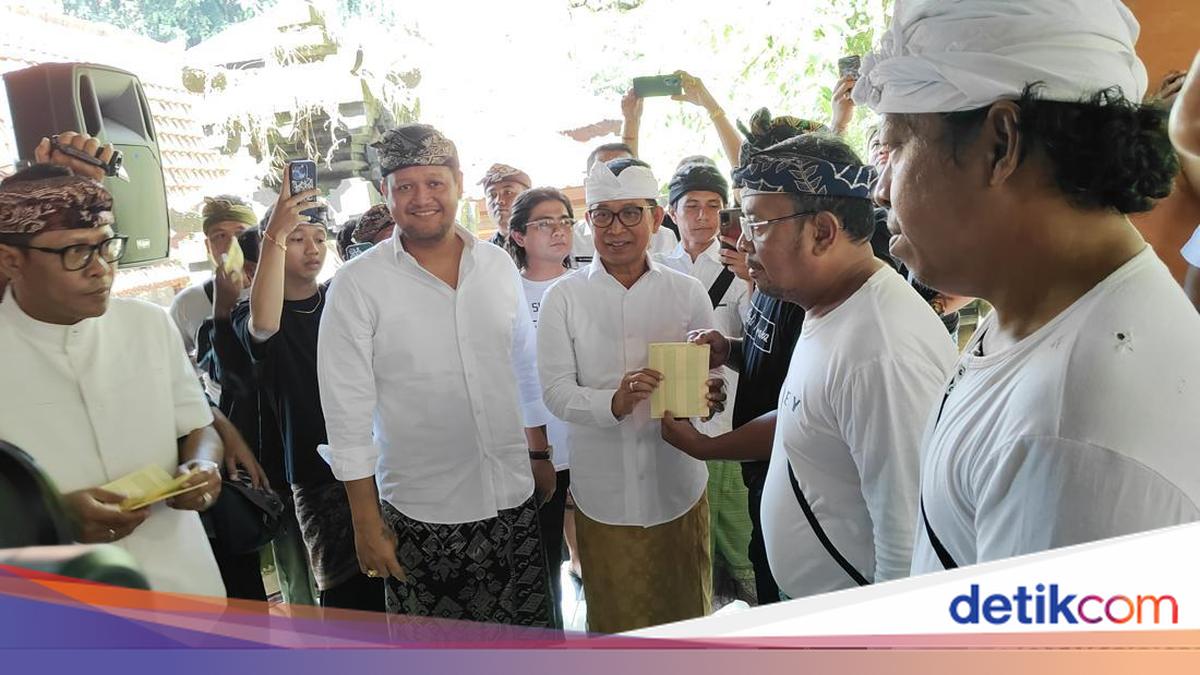
Commission IV of the Badung Regency DPRD has highlighted the swelling number of recipients for the pre-religious holiday cash assistance programme in 2026, reaching 104,000 family heads (KK). This increase from the previous year’s 98,000 recipients has prompted legislators to question the accuracy of on-the-ground data validation to ensure the regional budget burden is targeted appropriately.
Member of Commission IV of the Badung DPRD, I Wayan Joni Pargawa, questioned the standard regulations regarding recipient criteria, following findings of PPPK officials allegedly still listed as receiving assistance. The council urged the Social Services Office to provide clear guidance to village apparatus to avoid doubts when explaining rules to the public.
“Please, Mr Head of Department, provide standard regulations. If PPPK are indeed not eligible, then they should not receive it, so we are not hesitant to explain it to the public. I also request this to curb our regional budget; if they should not receive it, then do not give it,” emphasised Joni Pargawa during a meeting at the Badung DPRD on Monday (13/4/2026).
In response to the spotlight, Head of the Badung Social Services Office, I Gde Eka Sudarwitha, explained that the rise in the number of pre-holiday cash assistance recipients in Badung Regency from 98,000 to 104,000 families was triggered by significant demographic dynamics, such as the emergence of new Family Cards (KK) due to family separations (split KK) and population migration into the area.
This phenomenon requires the local government to adjust quotas to maintain public purchasing power amid the growth in the number of family heads, now totalling 172,000 KK. Although the recipient figure has swelled to cover about 60 percent of the population, the Social Services Office claims to have conducted maximum validation to ensure assistance targets residents with income indicators below 5 million rupiah.
“This increase occurred due to new KK, split KK, and migration to Badung Regency that cannot be denied. We have tried as much as possible to validate that data so that (the assistance is given) on target,” said Sudarwitha.
According to him, this assistance for residents with income below 5 million rupiah is indeed dynamic and will continue to be screened through digitalisation instruments. In the future, asset ownership such as four-wheeled vehicles and high electricity capacity will become the main indicators to exclude residents deemed capable.
“For example, ownership of electricity above 3,300 kWh, that will definitely be removed from the data because their cost of living is certainly higher than 5 million rupiah. This includes those who own more than one four-wheeled motor vehicle; their cost of living is definitely high,” explained the former Head of Culture Department of Badung.
The executive emphasised that this pre-religious holiday cash assistance is positioned as an instrument to strengthen public purchasing power, not merely social assistance to counter inflation. Currently, about 60 percent of the total 172,000 KK in Badung are listed as recipients of the assistance.
“Because the government is present when the public needs it. Currently, the number receiving it is more than 60 percent of the total 172,000 KK in Badung,” stated Sudarwitha.
To minimise data leaks in 2027, the government plans to conduct direct validation or bypass without relying solely on reports from villages or sub-districts. This step is taken so that the percentage of the public benefiting from social programmes can be maximised without scattered data.
“We will carry out a complete update of assistance recipients with direct validation without waiting for reports from villages or sub-districts. The nature of this assistance is dynamic; those who received it in 2025 are not necessarily entitled again in 2026 or 2027,” he concluded.