
Back-and-Forth on Electric Vehicle Taxes Leaves Everyone Confused, Analyst Says
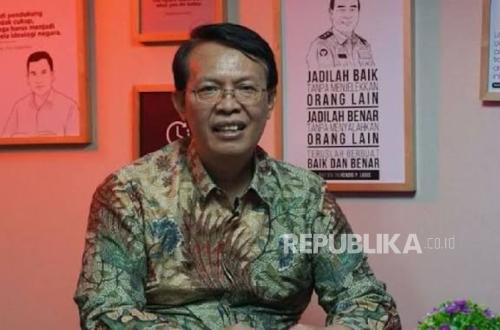
Public policy analyst Trubus Rahardiansah has spotlighted the government’s wavering policy on electric vehicles (EVs). Trubus stated that Minister of Home Affairs Regulation (Permendagri) Number 11 of 2026 provides leeway for regional heads to set tax rates.
“But this also contradicts the previous national policy that EV taxes are zero percent. Now it seems space is given to regions to impose taxes, and this has already been done in West Java,” Trubus said when contacted by Republika.co.id in Jakarta on Friday (24/4/2026).
Trubus assessed that the Permendagri Number 11 of 2026 regulation is confusing because there is no clarity on the threshold percentage. Furthermore, he continued, the government is further confusing the public with Circular Letter (SE) Number 900.1.13.1/3764/SJ on the Provision of Fiscal Incentives in the Form of Exemption from Motor Vehicle Tax and Motor Vehicle Re-registration Duty for Battery-Based Electric Motor Vehicles.
“The public is left wondering, including business actors and investors,” Trubus said.
In the SE, Trubus continued, Minister of Home Affairs Muhammad Tito Karnavian instructed all governors in Indonesia to provide fiscal incentives in the form of tax exemptions for electric vehicle owners. Trubus described the SE as reflecting the government’s unpreparedness in policymaking.
“What does the government actually want? It means the government lacks mature planning for electric cars, meaning what the President conveyed about EVs is actually like what?” Trubus added.
Trubus questioned the Home Affairs Minister’s more vocal stance in conveying fiscal vehicle tax policies. Trubus said that the announcement of electric vehicle tax policies should have been made by the Ministry of Finance (Kemenkeu).
“It should be Kemenkeu, the Directorate General of Taxes is under Kemenkeu. I don’t know if this is sectoral ego between the Ministry of Finance and the Ministry of Home Affairs. Actually, the regulation should come from the Ministry of Finance,” Trubus said.
Trubus suspects that the Ministry of Home Affairs wants to dampen regional unrest due to the decline in regional transfer funds (TKD). Trubus said the Ministry of Home Affairs is trying to help regions obtain funding support from other instruments to bolster development.
“They are making regulations that seem to avoid pressuring the regions because so far there has been an impact from TKD,” Trubus said.