
B50 Road Test Shows Positive Results, Ready to Reduce National Fuel Consumption
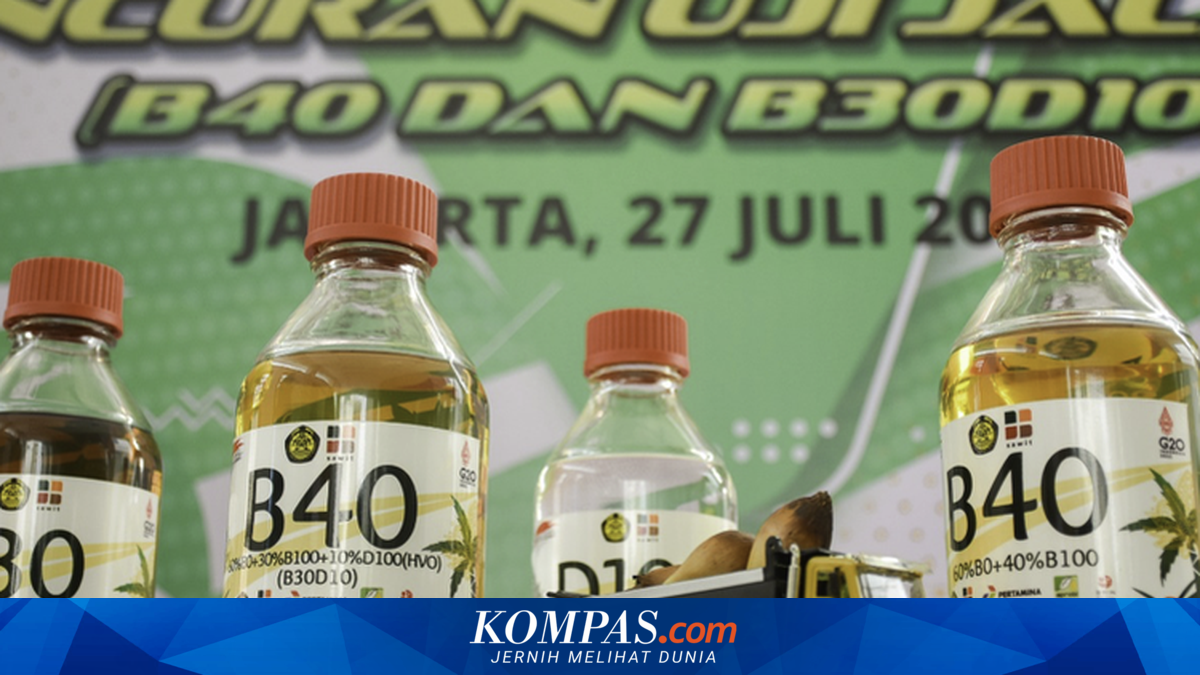
JAKARTA - The Indonesian government, through the Ministry of Energy and Mineral Resources (ESDM), continues to refine preparations for the implementation of the B50 biodiesel programme, scheduled to take effect on 1 July 2026.
The Secretary of the Directorate General of New, Renewable Energy, and Energy Conservation (EBTKE) at the Ministry of ESDM, Harris, stated that the road test process is currently underway to ensure technical readiness in the field.
According to him, the trial is targeted to reach 50,000 kilometres by June 2026.
“From the interim results, the performance is quite positive. One indicator is that the filter replacement interval has actually become longer,” Harris said at the Denpasar 12 Discussion Forum, which was broadcast online on Wednesday (1/4/2026).
He explained that these results signal that the use of a 50 per cent biodiesel blend in diesel is feasible for widespread application, particularly in the transportation sector.
The government is optimistic that the implementation of B50 will proceed as scheduled in the middle of this year, in line with the ongoing technical trials showing positive outcomes.
In addition to technical aspects, distribution readiness and infrastructure adjustments are also being addressed to ensure the programme runs smoothly across all regions.
Harris added that the acceleration of this programme is inseparable from the need to reduce dependence on petroleum fuels (BBM) amid global uncertainties.
The implementation of B50 is expected to curb national diesel consumption by around 4 million kilolitres, with potential efficiency gains of Rp 48 trillion.
Previously, Coordinating Minister for Economic Affairs Airlangga Hartarto stated that the application of B50 would begin on 1 July 2026, in response to potential energy price volatility stemming from the Iran-Israel and US conflict.
This policy is aimed at strengthening national energy independence while curbing the use of fossil fuels.