
B50 Requires a Large CPO Supply, Smallholder Palm Oil Farmers as the Hope
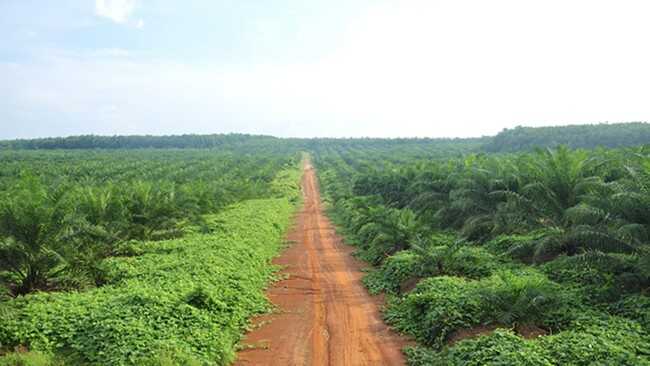
Jakarta, CNBC Indonesia - The government’s ambition to increase the biodiesel mandate to B50 in 2026 is heavily dependent on the conditions of the upstream palm oil sector. The plan, aimed at energy security while reducing carbon emissions, is estimated to require around 19 million to 20 million tonnes of crude palm oil (CPO) per year.
Meanwhile, national CPO production in 2025 is projected to reach only around 49.5 million tonnes.
Amid rising demand for feedstock, boosting productivity of smallholder palm oil plantations could be the key to pursuing the additional CPO production required, given that current yields are still far below their potential.
CPO Stocks Tend to Stagnate
Mohamad Fadhil Hasan, a member of the National Energy Council for 2026-2030, said that CPO stock availability in recent years has tended to stagnate or even decline. This condition occurs because there has been no significant improvement in palm oil plantation productivity.
Fadhil spoke at the CNBC Indonesia Energy Forum B50 Edition 2026, themed ‘Indonesia to Surplus Diesel Fuel, Is B50 Still Needed?’ on Thursday (5 March 2026). In addition to Fadhil, a number of stakeholders highlighted the importance of increasing productivity in the palm oil sector.
According to Fadhil, without productivity improvements, feedstock supply for the biodiesel programme could face pressure in the future.
Productivity of Smallholder Plantations as the Key
Rather than opening new land, the increase in palm oil production is considered achievable by boosting productivity of existing plantations. This applies especially to smallholder-owned plantations, which have historically lower productivity than large estates.
Data from the Indonesian Palm Oil Association (GAPKI) show that average productivity of smallholder palm oil farmers is about 2.5 tonnes of CPO per hectare per year. The figure is lower than private sector plantations at around 3.4 tonnes per hectare and state-owned plantations at around 3.6 tonnes per hectare.
Meanwhile, Statistics Indonesia (BPS) notes that the area of smallholder palm oil plantations accounts for 42.29% of the national palm oil plantation area, around 6.74 million hectares. If productivity on this land can be optimised, national CPO production could rise significantly without expanding land.
Palm Oil Replanting Still Low
Executive Director of the Indonesian Palm Oil Association (GAPKI) Mukti Sardjono added that productivity gains in palm oil plantations depend heavily on accelerating the replanting programme. However, the realisation of the programme remains limited in the field.
The government has actually provided funding support for the People’s Palm Oil Replanting Programme (PSR) of around Rp 60 million per hectare, up from Rp 30 million per hectare previously. This is governed by Director-General of Plantations Decree No. 55/Kpts/SR.21/01/2024, which sets the replanting costs by land type and location. The regulation has been in effect since 1 September 2024.
However, implementation of the programme still faces a range of field-level obstacles. When the government financing mechanism does not operate optimally, farmers often switch to alternative funding schemes such as loans or insurance. In practice, however, these schemes often increase farmers’ financial vulnerability.
Replanting costs for palm oil estates range from around Rp 50 million to Rp 70 million per hectare. Although the government has provided funding support of Rp 60 million per hectare, some smallholders still consider the cost high.
Moreover, farmers face challenges during the Non-Productive Period (TBM). After replanting, oil palm trees generally begin to produce only in the fourth year, so farmers potentially lose a source of income for around three years.
Position of Palm Oil Smallholders in the B50 Agenda
This condition demonstrates that the position of smallholder palm oil farmers in the national palm oil supply chain still faces a number of challenges. Under financial pressure, some smallholders may sell their land to companies or other parties.
If this trend becomes widespread, land ownership by smallholder farmers could decline and land concentration in the palm oil sector could rise further.
In the context of biodiesel B50 implementation, productivity gains through accelerating the replanting programme become a key factor in maintaining sustainable national CPO supply.
On the other hand, the energy security agenda and the transition to a green economy must also ensure the more inclusive involvement of smallholder palm oil farmers in Indonesia’s palm oil supply chain.