
B50 Programme Assessed as Capable of Reducing Fuel Oil Imports and Strengthening National Energy Security
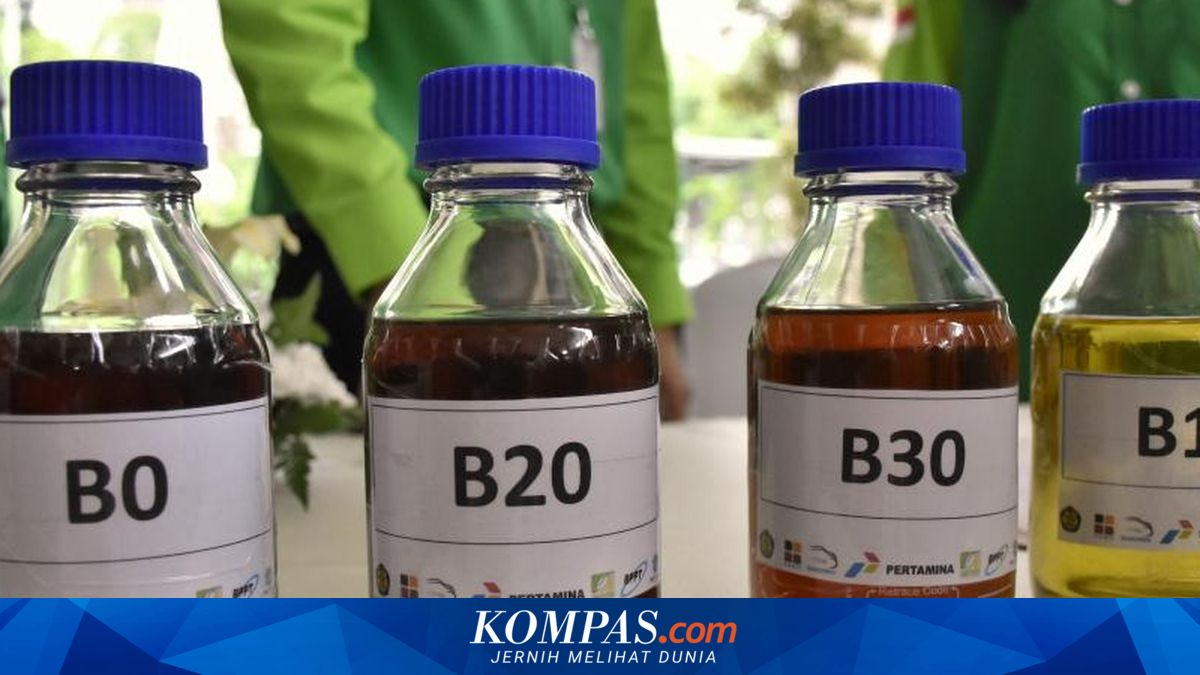
Jakarta — Efforts to strengthen national energy security have resumed following plans to increase mandatory biodiesel blending to B50. This policy is assessed as capable of helping suppress dependence on fuel oil imports whilst maintaining economic stability amid global energy price dynamics.
Commission XII member of the Indonesian House of Representatives from the Golkar Party faction, Beniyanto Tamoreka, expressed his support for the government’s measures through Energy and Mineral Resources Minister Bahlil Lahadalia, who has ensured subsidised fuel oil prices remain stable through the Ramadhan period.
“The Commission XII of the House of Representatives in principle supports the government’s measures through the Ministry of Energy and Mineral Resources in maintaining energy price stability, particularly subsidised fuel,” said Beniyanto in a press statement on Wednesday (11 March 2026).
“This effort is important to provide reassurance to the public amid global energy price dynamics.”
According to him, amidst the global situation, strengthening national energy security needs to be continuously pursued, including through utilising domestic energy resources.
He welcomed the government’s direction to increase efficiency and utilisation of domestic energy, including through strengthening the mandatory biodiesel programme to B50.
“We view efforts to promote domestic energy utilisation such as the B50 biodiesel programme as a positive step in strengthening national energy security,” said the legislator from Central Sulawesi.
“This policy also has the potential to reduce dependence on fuel oil imports and provide added value to the national plantation sector.”
Energy and Mineral Resources Minister Bahlil Lahadalia previously explained that B50 is a mixture of 50 per cent diesel with 50 per cent palm oil (CPO). This policy forms part of steps towards national energy independence.
“In 2026, God willing, we will push towards B50. With this, we will no longer import diesel into Indonesia,” said Bahlil at the Investor Daily Summit in Jakarta on Thursday (9 October 2025).
The biodiesel programme in Indonesia has been implemented progressively since 2015, starting from B15 and reaching B40 in 2025. With the implementation of B40, diesel imports have been successfully reduced to approximately 4.9 million kilolitres, or around 10 per cent of total national consumption.
Tamoreka hopes that coordination between the government, state-owned energy enterprises, and stakeholders in the energy sector will continue to be strengthened so that national energy supply remains secure amidst global energy dynamics.