
B50 Mandate Planned for July 2026, DPR Commission XII Chairman Says This
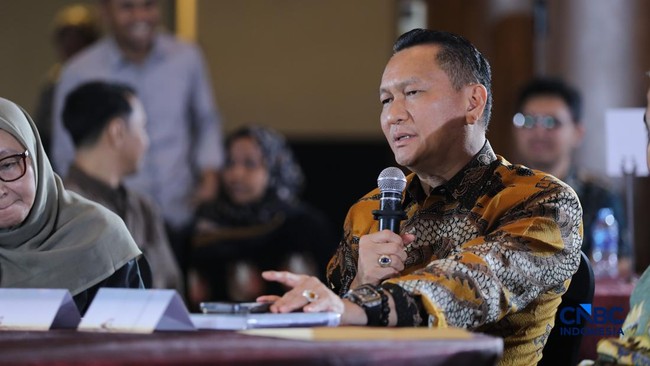
Jakarta, CNBC Indonesia - Chairman of DPR Commission XII from the Golkar Party faction, Bambang Patijaya, emphasised that Indonesia has significant potential to achieve energy independence through the development of plant-based fuels, particularly biodiesel and bioethanol.
According to him, the implementation of biodiesel in Indonesia has shown significant progress. Currently, the biodiesel mandate programme has reached B40 level and is planned to increase to B50 in July 2026. This policy represents a concrete step in reducing dependence on imported fuel oil, particularly diesel.
“The success of the biodiesel programme demonstrates that Indonesia has a strong foundation in building energy independence based on domestic resources. This must continue to be strengthened and optimised,” said Bambang, as quoted in a press release on Tuesday (7/3/2026).
He explained that Indonesia is the world’s largest palm oil producer, with a crude palm oil (CPO) production capacity exceeding 45 million tonnes per year. With this capacity, Indonesia is considered capable of sustainably meeting biodiesel raw material needs, even with future increases in the mandate.
In addition to biodiesel, Bambang also highlighted the significant potential for developing bioethanol as a substitute for petrol. Indonesia has abundant bioethanol raw material sources, such as sugarcane, cassava, and maize, which can be optimised through strengthening the national bioenergy industrial ecosystem.
“The development of bioethanol must become the next strategic agenda. With the large raw material potential, Indonesia has the opportunity to gradually reduce dependence on petrol imports,” he said.
However, Bambang emphasised that bioenergy development must be carried out in a measured and integrated manner, so as not to disrupt food security or the needs of other industrial raw materials.
“The government needs to ensure a balance between energy, food, and industrial needs. This is important so that the bioenergy programme does not create pressure on food prices or domestic supplies,” stated the legislator from the Bangka Belitung electoral district.
He assessed that with proper planning, Indonesia has the capacity to meet biodiesel and bioethanol needs without sacrificing other sectors. This can be achieved through increased productivity, land optimisation, and the utilisation of alternative raw materials that do not directly compete with food.
Furthermore, Bambang encouraged the government to accelerate the construction of supporting infrastructure and regulations, including incentives for investment in the bioenergy sector, to strengthen the domestic-based energy downstream ecosystem.
“With the right policy synergy, biodiesel and bioethanol will not only serve as energy solutions but also as drivers of the national economy, job creators, and enhancers of Indonesia’s energy resilience amid global dynamics,” he said.