
Avoid Mudik Congestion: Rest Stops at Travoy Km 88A Limited to 30 Minutes
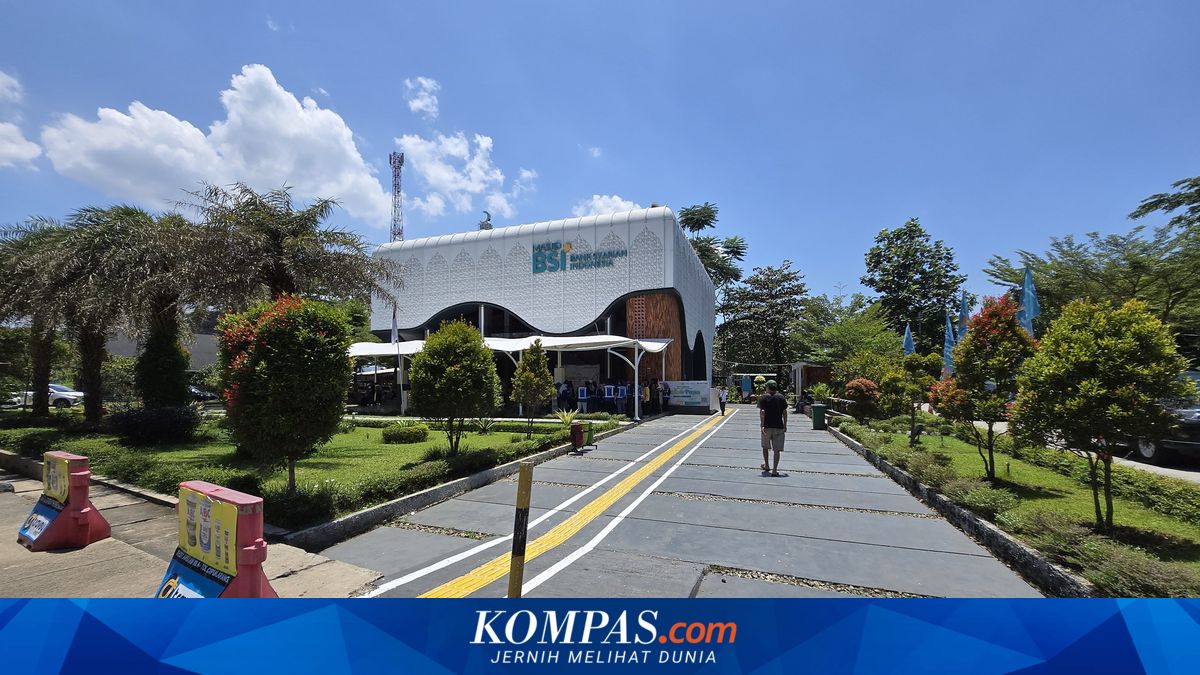
Jakarta — Facing a projected surge of 143 million people during the 2026 Lebaran exodus, PT Jasa Marga Related Business (JMRB) has undertaken a comprehensive overhaul of operational strategies at critical points, including Travoy Rest Area KM 88A on the Cipularang Toll Road.
With peak traffic predicted for H-3 (18 March 2026), this 11-hectare rest area is projected to accommodate up to 10,289 vehicles in a single day, representing a 4 percent increase from the previous year.
President Director of PT Jasa Marga (Persero) Tbk, Rivan Achmad Purwantono, emphasised that rest area management this year is no longer merely a stopping facility, but rather a traffic flow management hub designed to prevent cascading congestion on the main toll route.
The following capacity measures have been prepared:
A classic rest area problem is the accumulation of vehicles at entrance ramps (on-ramp) that extends onto the toll road itself. In response, JMRB has implemented a multi-layered communication protocol. A total of 56 CCTV cameras throughout the rest area are now connected to the Rest Area Monitoring System (RAMS).
This data is transmitted directly to the Travoy application, allowing travellers to monitor car park occupancy levels and electric charging point availability before deciding to enter. If the queue at the on-ramp reaches 10 vehicles, coordination with police will be initiated to temporarily close and reopen access to maintain smooth traffic flow on the main route.
Service quality has now become a primary standard. The Ministry of Public Works (PU), through the Toll Road Regulatory Body (BPJT), has issued stern warnings to all rest area operators, including third-party service providers.
“All rest areas on toll roads must be in prime condition. We do not accept financial losses as an excuse for declining facility quality. If operators fail to comply, we have the authority to issue warnings through to closure,” stated Sony Sulaksono Wibowo, BPJT Member representing Stakeholder Interests.
“The ideal rest duration is 20 to 30 minutes. Tolerance among road users is crucial; one person’s desire for an extended break should not compromise the smooth passage of thousands behind them,” concluded Rifat.
Going forward, KM 88A will not only function as a fuel refilling point. With sufficient land available for development, Jasa Marga is now enhancing aesthetics through landscaping and modernising food court standards.
The aim is to create an ecosystem capable of effectively reducing driver stress levels, rather than serving merely as a transactional stopping point.
With personnel numbering 500 across the entire Travoy network, Jasa Marga is confident that rest area management this year will be significantly more precise than in previous years.