
Avoid Going Outside Between 10:00–14:00 WIB: These Groups Are Most Vulnerable to Extreme Heat
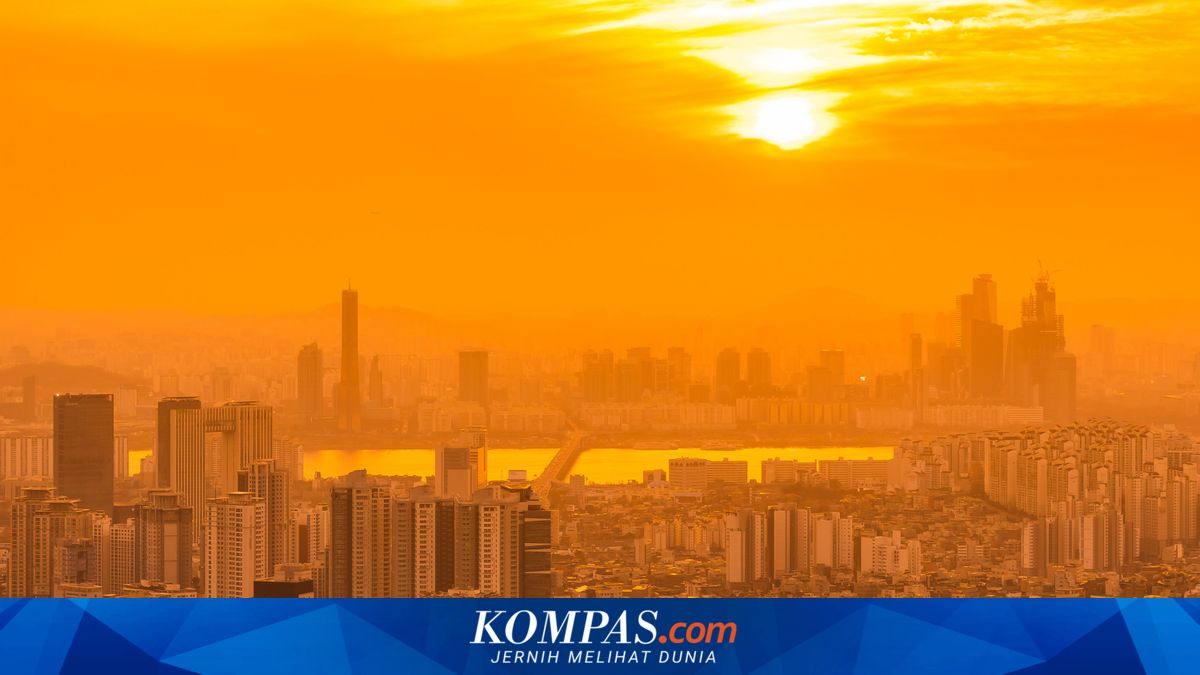
Jakarta — Vulnerable population groups have been urged to avoid outdoor activities during daytime as extreme heat continues to potentially affect Jakarta through the lead-up to Eid al-Fitr 2026.
The Meteorology, Climatology, and Geophysics Agency (BMKG) estimates that the intense heat experienced in recent days will persist until approximately 20–22 March 2026.
The Deputy for Meteorology at BMKG, Guswanto, noted that maximum temperatures in Jakarta have reached as high as 35.6 degrees Celsius.
These conditions are driven by clear skies with minimal cloud cover, allowing solar radiation to penetrate the atmosphere optimally and directly heat the Earth’s surface.
BMKG has also recorded ultraviolet (UV) indices in the purple category, or extreme danger level.
Consequently, the public has been advised to reduce outdoor activities, particularly between 10:00 and 14:00 WIB, when solar radiation exposure is at its peak.
“Be vigilant for vulnerable groups, including children, elderly persons, and outdoor workers,” said Guswanto.
Prolonged heat exposure can trigger heat stress, which impacts both health and work productivity.
Several risks requiring attention include heat-related illnesses and reduced occupational efficiency among exposed populations.
These measures are considered essential, particularly for vulnerable groups, to mitigate health impacts from extreme heat weather.
Ida Pramuwardani, Head of the BMKG’s Weather Prediction and Early Warning Task Force, explained that the reduction in cloud cover has increased the intensity of solar radiation.
“The transition from the rainy season to the dry season is evident from clearer skies and reduced cloud cover, resulting in stronger surface heating,” she said.
BMKG also predicts that the 2026 dry season could arrive earlier than usual in several Indonesian regions, including Java, meaning clear weather conditions will be more predominant.