
Avoid Conflicts on the Road, Use the Horn Proportionally
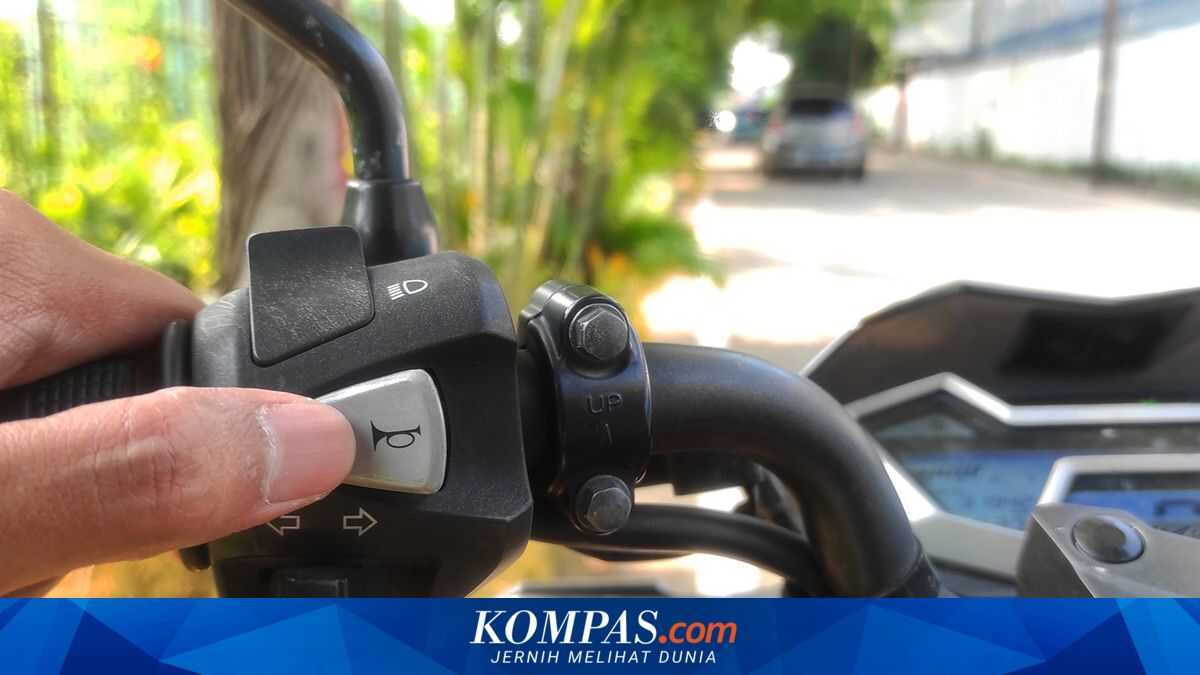
The horn is one of the vehicle’s components functioning as a means of communication. In situations such as overtaking or traversing a bend with limited visibility, this device plays a crucial role in maintaining safety, rather than as a form of pressure on other road users. According to Victor Assani, Head of the Road Safety and Motorsport division of the Indonesian Motorcycle Industry Association (AISI), horn use is indeed permissible in conditions that pose potential risk. He explains that when intending to overtake, riders must first ensure a safe distance and that traffic conditions permit it. The horn should be sounded briefly as a signal of presence, not pressed for long, which can cause panic or provoke other drivers. The same applies when negotiating a blind bend, especially on two-way roads without barriers. A brief horn helps signal to oncoming traffic that a vehicle is approaching. This practice is commonly applied on mountain routes or narrow road segments with limited visibility. Victor emphasised that excessive horn use is risky. A high-frequency tone can disrupt concentration and provoke uncontrolled spontaneous reactions. In heavy traffic, such a situation can increase the potential for accidents. Beyond the technical aspects, etiquette also plays an important role. The horn should not be used to vent anger when the vehicle ahead is deemed too slow or not yielding promptly. Road communication should be conducted with mutual respect. ‘If all road users keep a safe distance, act orderly, and properly understand the function of the horn, its use does not need to be excessive. The key lies in discipline and shared awareness,’ said Victor.