
Australia to Increase Defence Budget by 53 Billion Australian Dollars
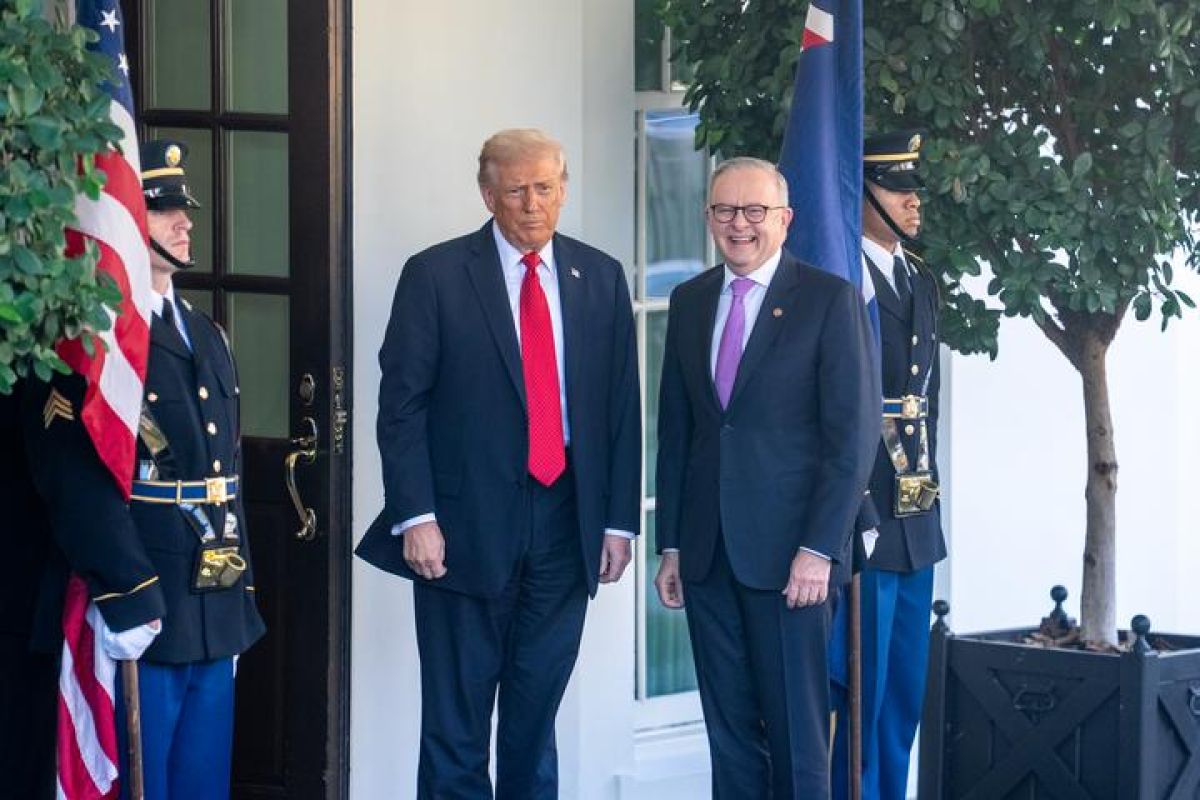
Canberra (ANTARA) - The Australian government will increase its defence budget by 53 billion Australian dollars (one Australian dollar is approximately Rp12,180) over the next 10 years. This policy is based on the 2026 national defence strategy (NDS), announced on Thursday (16/4). Defence Minister and Deputy Prime Minister Richard Marles outlined the new strategy in a speech at the National Press Club in Canberra, describing the funding increase as the “largest peacetime rise” in Australia’s history. According to Marles, the new NDS includes an additional 14 billion Australian dollars in spending over the next four years compared to the previous 2024 strategy, as well as an extra 53 billion Australian dollars over the next 10 years. The government stated that this spending increase will bring Australia’s defence budget to 3% of gross domestic product (GDP) by 2033, based on NATO methodology that includes related expenditures such as military pensions. Australia’s current defence budget stands at 2.0% of GDP under a narrower calculation method that excludes related expenditures. The 2024 NDS projected defence spending would reach 2.4% of GDP by 2034 under the narrower definition. Marles revealed that Australia is facing the “most complex and threatening strategic environment” since the end of World War II, amid the erosion of “international norms” that once restrained the use of force. He said the federal government will pursue every means to rapidly enhance defence capabilities, including accessing private capital. “This puts Australia on a path to strengthen our defence self-reliance. It bolsters the industrial and national foundations in defence, and positions Australia firmly within a network of trusted regional and global partnerships,” Marles said regarding the NDS. The spending increase includes 12 billion Australian dollars previously announced to upgrade shipbuilding facilities in Western Australia, which will support the maintenance of nuclear-powered submarines, as well as up to five billion Australian dollars for new investments in drone technology.