
Australia and Singapore Move to Protect Oil Trade as Middle East War Disrupts Supply Routes
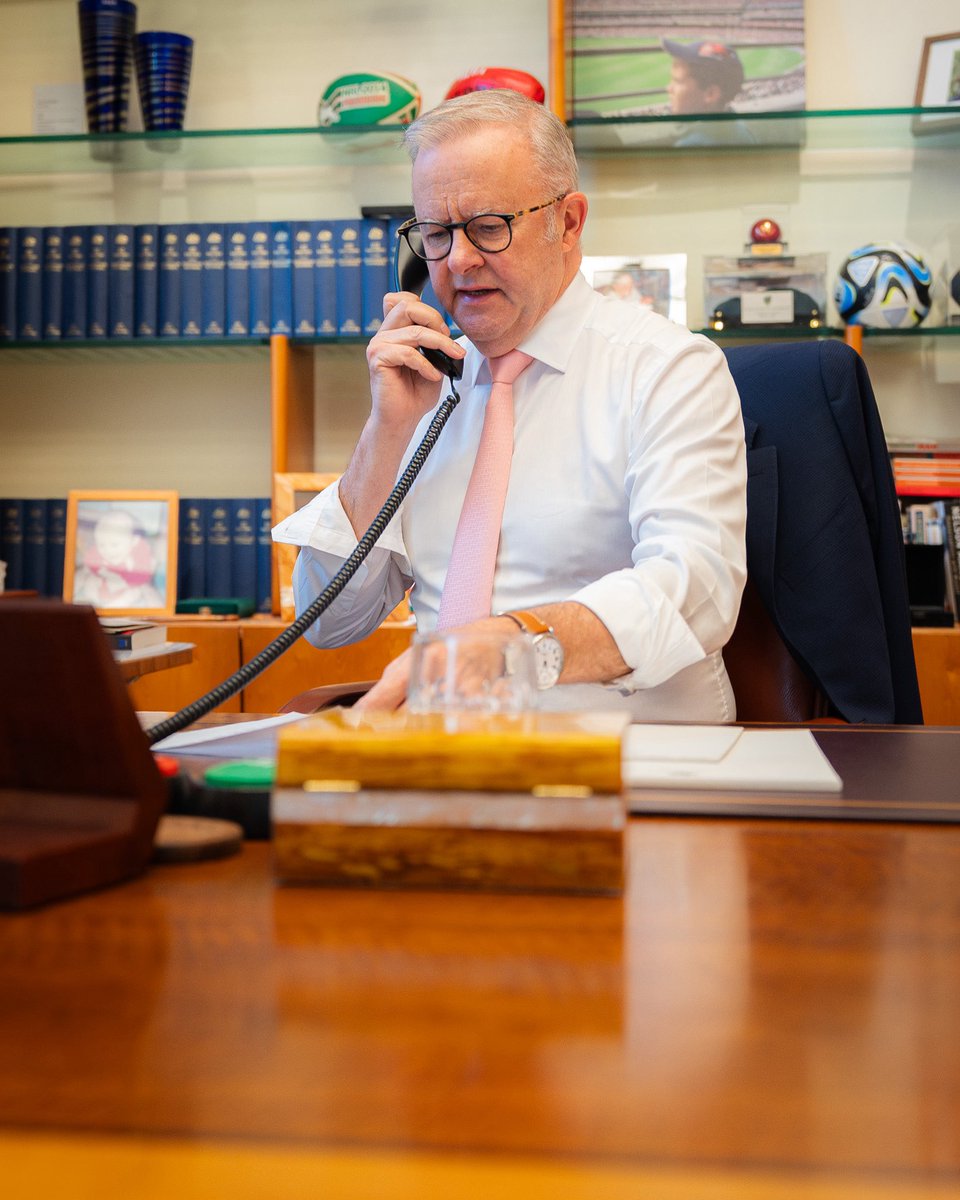
Lawrence Wong and Anthony Albanese pledge closer energy coordination as delays hit regional fuel flows
Australia and Singapore have agreed to deepen cooperation on energy security as the war in the Middle East continues to disrupt oil and gas shipments, raising concern over fuel supply chains across the Asia-Pacific. In a joint statement issued after a March 23 phone call, Prime Minister Lawrence Wong and Prime Minister Anthony Albanese said both countries would work together to keep essential energy trade flowing.
Australia and Singapore formalize closer energy cooperation
Singapore and Australia said they are committed to strengthening energy supply chain resilience, including support for the continued flow of petroleum oils such as diesel and liquefied natural gas between the two countries. Their joint statement also said both sides would notify and consult each other on disruptions that could affect energy trade.
The two leaders said this work will build on the Comprehensive Strategic Partnership 2.0 they agreed in October 2025, including accelerated negotiations on an arrangement covering trade in essential supplies and possible future legally binding commitments.
The trigger is worsening disruption in the Middle East
The statement came as both governments expressed deep concern over the impact of the Middle East war on energy prices and supply chains. The International Energy Agency said last week that the conflict, which began on Feb. 28, has cut oil flows through the Strait of Hormuz to less than 10 percent of pre-conflict levels, making it one of the most serious global energy disruptions in recent years.
This matters because the Strait of Hormuz is one of the world’s most important oil chokepoints. A prolonged disruption there does not just raise prices. It also threatens the physical availability of refined fuel across Asian supply networks.
Australia is already feeling supply strain
Australian reporting says at least six fuel shipments linked to Australia have been cancelled or deferred, while Energy Minister Chris Bowen has acknowledged that oil flows to Asian refineries have slowed. He said some cancelled shipments had already been replaced, but supply conditions beyond mid-April are still being watched closely.
Australia is especially exposed because it imports more than 80 percent of its petrol, diesel, and jet fuel, much of it through Asian refining hubs. That makes Singapore particularly relevant, given its importance as a regional oil trading and refining center.
Singapore’s role is strategic, not just commercial
Singapore is not only a trading partner in this story. It is a major regional energy hub whose open-market model makes it central to fuel redistribution in Asia. The joint statement emphasized that both countries oppose unjustified import and export restrictions and want other trading partners to help keep global energy supply chains open.
That stance fits with Singapore’s broader messaging this month that energy security depends on diversification, open trade, and regional coordination. Singapore officials have already warned that households and businesses should expect higher energy costs if the conflict persists.
Why this matters beyond both countries
For Australia, the agreement is about reducing vulnerability at a time when physical supply disruptions are starting to bite. For Singapore, it reinforces its role as a trusted energy and trade partner at a moment when some countries may be tempted to keep fuel supplies for domestic use.
For the wider region, including Indonesia, the move shows how energy security is becoming more geopolitical and more interdependent. If major importers and regional hubs begin coordinating more tightly, it could influence trade flows, pricing, and supply resilience across Southeast Asia and the Pacific.
The new Australia-Singapore energy understanding is less about symbolism and more about preparing for a prolonged supply shock. As oil flows from the Gulf remain disrupted, both countries are trying to lock in trust, consultation, and open trade before the situation worsens. That makes this one of the clearest signs yet that the Middle East war is reshaping energy diplomacy much closer to home.
Sources: Region AU (2026) , Yahoo! News Australia (2026)
Keywords: Australia Singapore oil supplies, Lawrence Wong Anthony Albanese, energy security joint statement, Strait of Hormuz disruption, essential supplies arrangement, Australia Singapore fuel trade