
Attorney General's Office Probes Aceh Customs Official in Palm Oil Waste Export Corruption Case
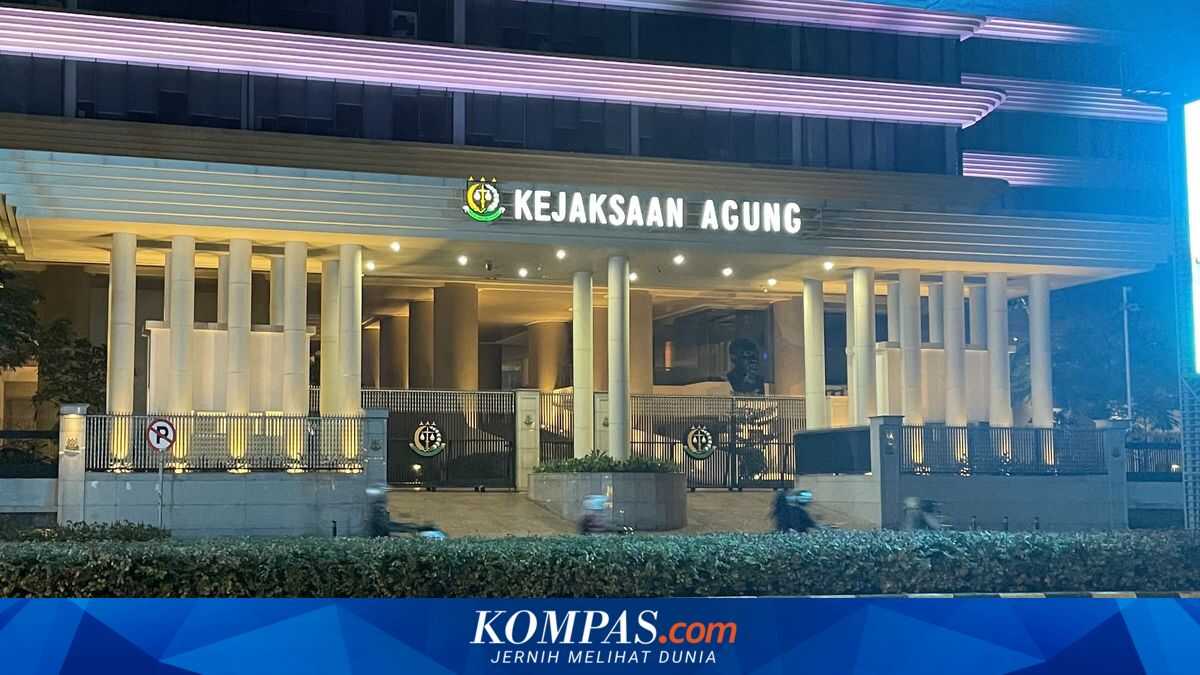
JAKARTA — The investigation team of the Attorney General’s Office (Kejaksaan Agung) is questioning several witnesses in connection with alleged acts of corruption in the export of Palm Oil Mill Effluent (POME), also known as palm oil waste. One of those questioned is an official from Aceh Customs. Syarief Sulaeman Nahdi, Director of Investigations at the Deputy Attorney General for Special Crimes (Jampidsus) at the Kejagung, said the questioning took place at the High Prosecutor’s Offices in Riau and North Sumatra. He stated that the examinations followed a sequence of searches and seizures carried out by investigators over the past two weeks. “The examination was conducted on Aan Sundari, Head of Intelligence at the Aceh Regional Office of the Directorate General of Customs and Excise,” Syarief said in a statement on Thursday, 5 March 2026. In addition, investigators questioned Martini from PT Tanimas, who acted as the signatory for a cooperation agreement. “The witnesses were questioned in relation to the sale of crude palm oil (CPO) and its derivatives to exporting companies from 2022 through 2024,” he added. The first witness was Vivi, an employee of PT Benua Lautan Cargo. She was questioned in capacity as an authorised exporter in handling customs documents. Investigators also questioned Erwan Hasibuan from PT Tangki Samosir Gesindo. “The examination concerns the status of the goods’ customs clearance and the consistency of the physical volume with the documents,” he said. The charges against the suspects were announced by Anang Supriatna, Head of the Legal Information Centre of the Kejagung, at a press conference at the Bundar Building of the Attorney General’s Office, Jakarta, on Tuesday, 10 February 2026. Anang noted that the suspects come from various elements, ranging from government ministries and customs authorities to private parties. The suspects are alleged to have violated Article 603 in conjunction with Article 20(a) or 20(c) of Law No. 1 of 2023 on the Eradication of Corruption, in addition to Article 3 in conjunction with Article 18 of Law No. 31 of 1999 on the Eradication of Corruption Crimes.