
Atalia Praratya Supports AI and Social Media Restrictions for Children: Protecting Student Cognitive Development
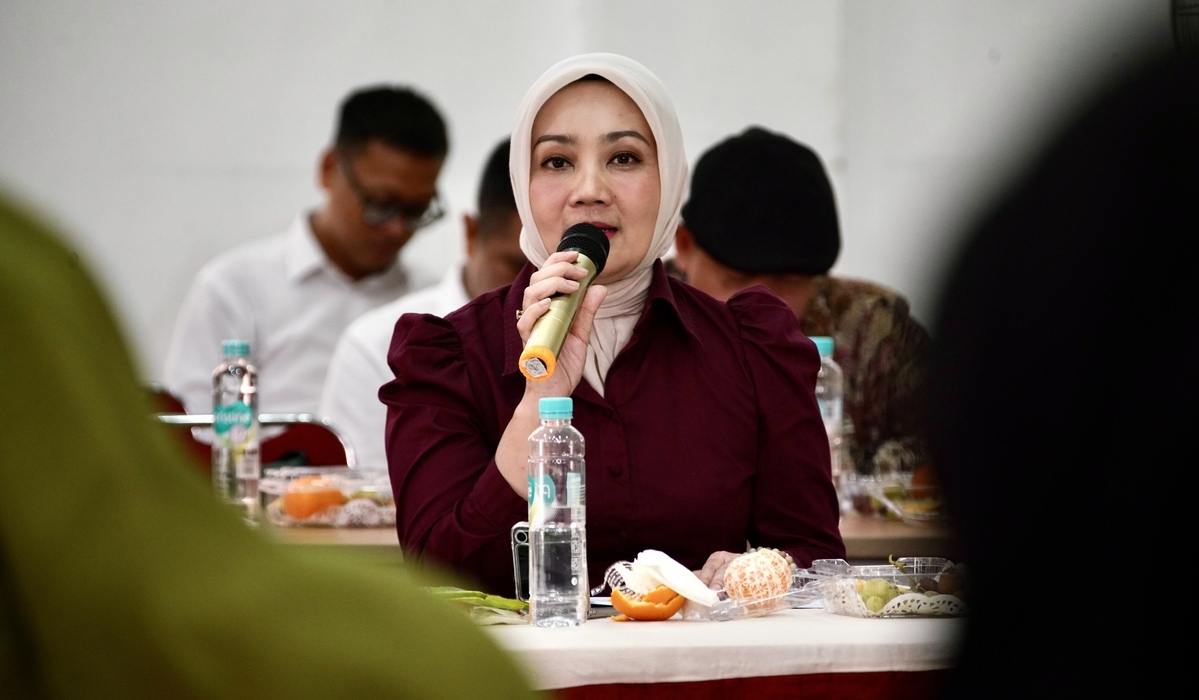
Member of Commission VIII of the Indonesian Parliament Atalia Praratya considers the government’s policy limiting children’s use of instant artificial intelligence (AI) and social media to be an important step in protecting the healthy development of young people in the digital age of 2026.
The strategic policy has been formalised through a Joint Ministerial Decree (SKB) involving seven ministers on guidelines for utilising digital technology and artificial intelligence in education. The regulation has been further strengthened through the Communications and Digital Ministry Regulation (Permenkomdigi) Number 9 of 2026.
This regulation derives from Government Regulation Number 17 of 2025 on the governance of electronic systems in child protection (TUNAS).
Praratya explained that restricting instant generative AI tools such as ChatGPT, Gemini and Claude for students from primary through secondary school aims to prevent negative effects on children’s cognitive development.
“Children need to learn the thinking process, not merely receive instant answers from a machine. If this thinking process is bypassed, there is a risk of creating a generation that quickly obtains answers but is weak in understanding problems,” Praratya stated in Jakarta on Sunday (15 March).
The restriction on instant AI is intended to ensure students continue to sharpen their independent thinking abilities and conduct deep analysis without dependence on algorithms.
In addition to AI restrictions, the government has also tightened social media access for children under 16 years old. Account enforcement on various popular digital platforms is planned to begin in stages starting on 28 March 2026.
Several platforms targeted for enforcement include YouTube and TikTok, Facebook, Instagram and Threads, X (formerly Twitter) and Bigo Live, as well as gaming platforms such as Roblox.
This approach aligns with global trends tightening digital access to protect children’s mental health. Based on data from Common Sense Media, children aged 8-12 years currently spend an average of up to five hours daily in front of screens, raising concerns about digital addiction.
Praratya believes that these strict regulations must be accompanied by strengthening digital literacy for the ecosystem supporting children, namely parents and teachers. She encourages the development of a more productive and child-friendly AI learning curriculum.
“The purpose of this policy is not to ban technology, but to ensure our children are mentally, intellectually and socially prepared before truly entering the complex digital world,” she concluded.