
At the End of a Trafficker's Flight
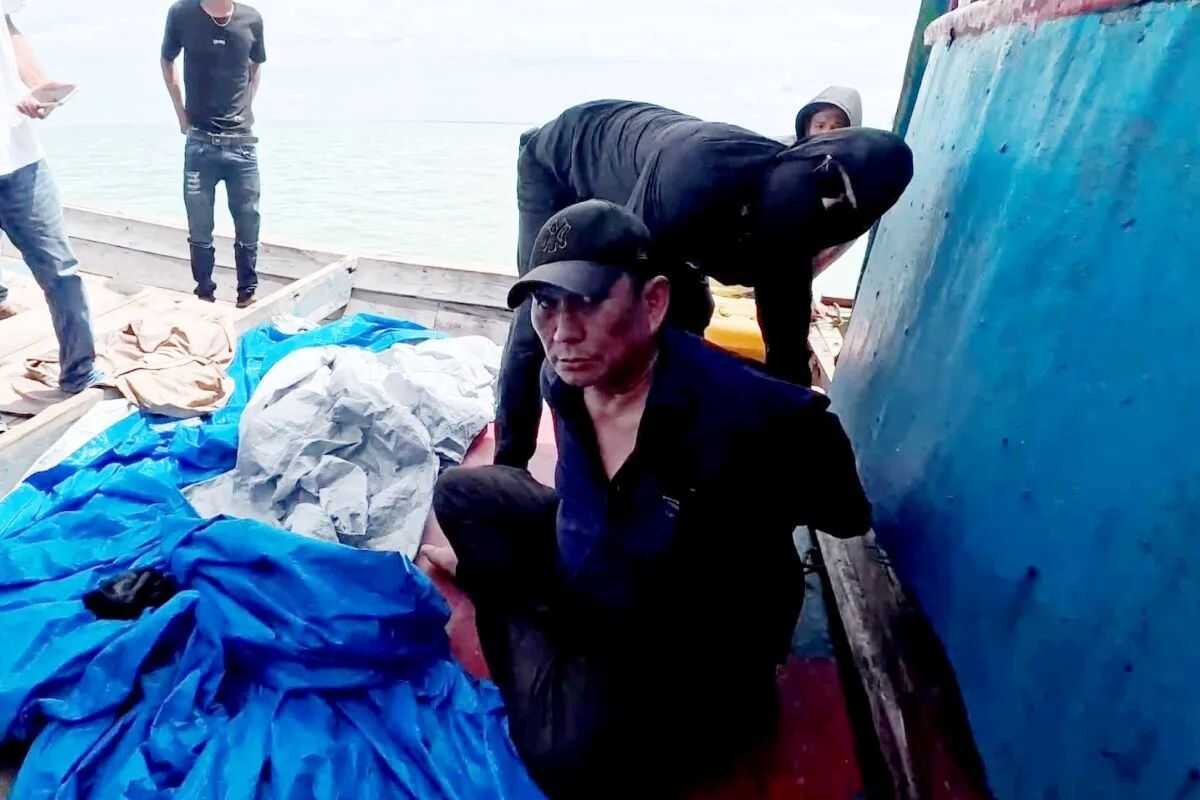
Mataram – The flight ended at a port. In Tanjung Balai, North Sumatra, a man whose name has been circulating in West Nusa Tenggara (NTB) for the past several weeks was arrested whilst attempting to cross to Malaysia. He is Koko Erwin, a fugitive sought by the Narcotics Crime Directorate of the National Police Criminal Investigation Bureau, who is suspected of being a supplier of money and methamphetamine to the former Police Chief of Bima City, Senior Police Commissioner (AKBP) Didik Putra Kuncoro. His arrest on 26 February 2026 was not merely the end of a drug trafficker’s flight. It unveiled deeper issues. Allegations of Rp1 billion in bribes, deposits of 488 grams of methamphetamine in an officer’s official residence, and total financial flows of Rp2.8 billion allegedly flowing to superiors have painted a stark portrait of the moment when the bastion of drug enforcement cracked from within. This case merits examination, not for its sensationalism, but because it touches the very core of public trust in law enforcement institutions. When officials who should be fighting drugs are allegedly colluding instead, what is threatened is not merely one region, but the authority of the state itself.
Network of Power
Koko Erwin’s name emerged from the development of a case that began with the arrest of Senior Police Officer (AKP) Malaungi, then serving as Head of the Narcotics Crime Unit of Bima City Police Station. A search of his official residence revealed methamphetamine weighing 488.496 grams in five plastic bags. Urine test results showed he tested positive for drugs. This fact alone was sufficiently shocking.
The bigger wave came when investigation reports revealed allegations of a Rp1 billion payment from Koko Erwin to AKBP Didik, via intermediary AKP Malaungi. This money was reportedly related to a request to purchase a luxury car worth Rp1.8 billion. Moreover, there were allegations of another Rp1.8 billion fund flow from a different trafficker, bringing total suspected receipts to Rp2.8 billion.
The scheme that emerged displayed a classic pattern of organised crime. Traffickers provide money and goods. Rogue officials provide security guarantees. In this context, the 488 grams of methamphetamine is said to have been an initial deposit, before wider distribution. If true, what occurred was not merely an abuse of authority, but a symbiosis between crime and power.
Koko Erwin’s arrest by a joint team from Subdivision IV and the NIC Task Force of the Narcotics Crime Directorate of the National Police Criminal Investigation Bureau underscores that the state is not idle. He initially resisted capture and was suspected of receiving assistance from two individuals to flee abroad. The fact that he chose the escape route demonstrates mounting legal pressure.
The Regional Police of NTB has assured that judicial proceedings related to the locus delicti in NTB will be conducted in the region. Polda NTB is also engaging the Financial Transaction Reports and Analysis Centre (PPATK) to trace alleged money laundering offences. Bank accounts controlled by the parties involved have been frozen as an initial measure.
This step is crucial. The war on drugs cannot end with the arrest of street-level perpetrators. It must penetrate the flow of money. Without impoverishing traffickers and cutting off financial streams, networks will always find ways to resurge.