
At Constitutional Court Hearing, Non-Civil Servant Lecturers' Salaries Revealed as Rp 450,000–Rp 1.5 Million, Far Below Regional Minimum Wage
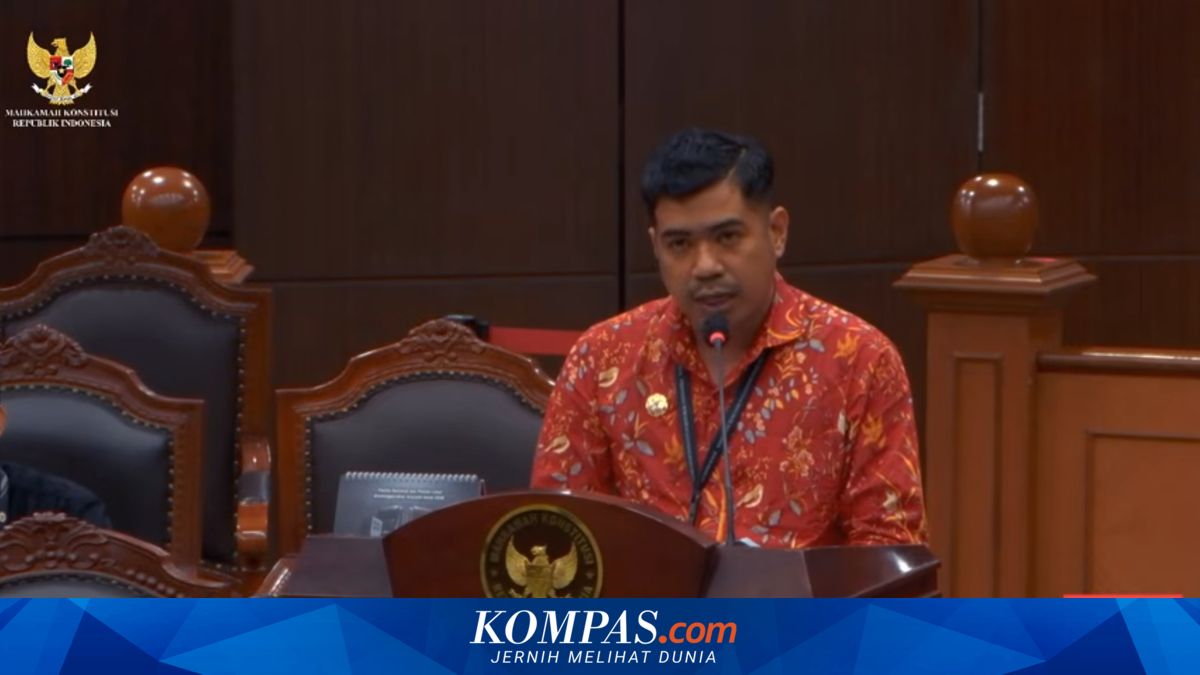
The salaries of non-civil servant lecturers in Indonesia remain far from adequate, with the majority receiving incomes below the regional minimum wage (UMR). This was stated by Andi Herenal Daeng Toto, Chairman of the All-Indonesian Lecturer Communication Forum (FKDSI), during the hearing of Case Number 272/PUU-XXII/2025 concerning the judicial review of Law Number 14 of 2005 on Teachers and Lecturers at the Constitutional Court on Tuesday (5/5/2026). “Monthly incomes range from Rp 450,000 to Rp 1,500,000 per month,” Andi said on Tuesday. He emphasised that many lecturers receive incomes far from the standard of a decent living. “In East Java, there are lecturers who receive a salary of Rp 304,000 per month with an UMR of Rp 3,320,000 per month,” he said. Similar conditions occur in West Sumatra, where lecturers’ salaries range from Rp 1,500,000 per month with an UMR of Rp 3,182,000. Even in West Sulawesi, particularly in Mamuju, non-civil servant lecturers do not receive a fixed monthly salary. “Lecturers are only paid based on the number of courses they teach, so in certain conditions, they only receive around Rp 1,200,000 for a six-month period,” he revealed. “76.7 percent of members receive incomes below the regional minimum wage in their respective areas,” he said. According to FKDSI, this situation is inseparable from the ambiguity of norms in Article 52 of the Teacher and Lecturer Law, which opens the door to wage practices that do not align with the principles of social justice. “This situation contradicts the constitutional mandate that every citizen has the right to fair and decent remuneration and treatment in employment relations,” Andi stressed. FKDSI is pushing for a firmer constitutional interpretation regarding lecturer income standards. “A constitutional interpretation is needed that affirms that lecturers’ incomes must at least meet objective and measurable minimum standards such as the regional minimum wage,” he said. This affirmation is considered important to close interpretive gaps that have long triggered uncertainty and injustice in the non-civil servant lecturer wage system in Indonesia.