
At a Red-Light Corner, Street Children Forced to Grow Up Fast on the Streets
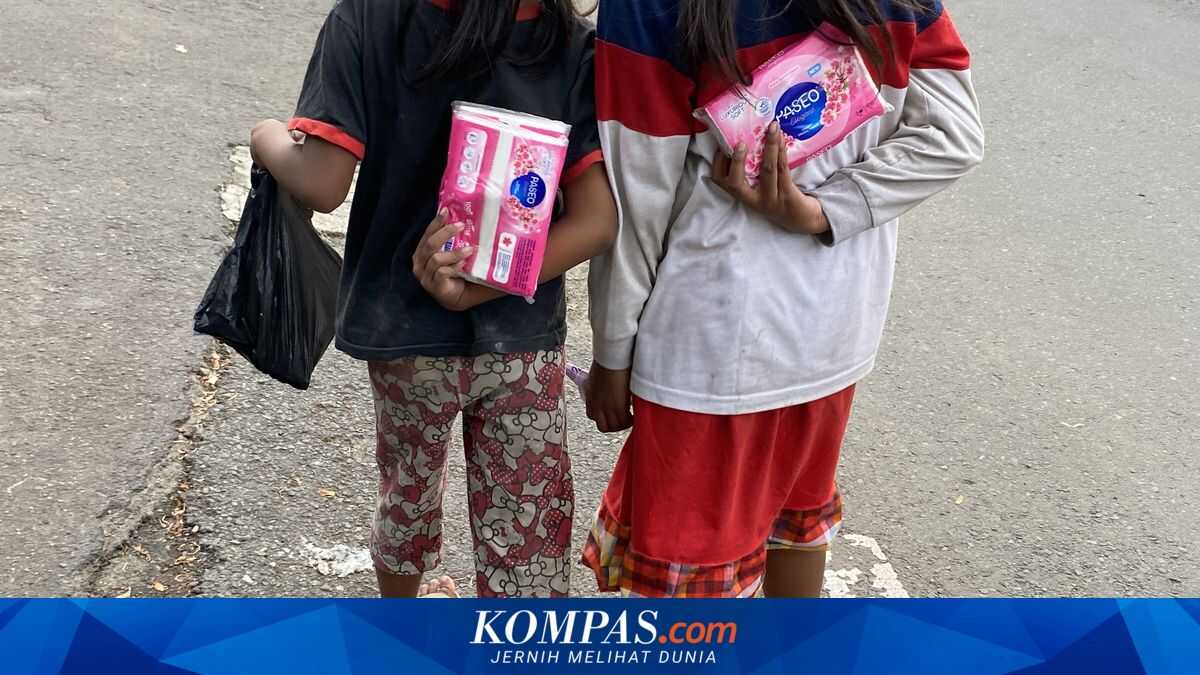
JAKARTA, KOMPAS.com - Street children, or what is commonly known as ‘anjal’ in the city centre, are not just a usual social phenomenon. According to Sigit Rohadi, a sociologist at National University, these children are born of structural and cultural poverty that merge to form a circle of street existence. ‘In fact, street children are a product of social inequality and access,’ Sigit said when contacted via WhatsApp on Monday (2/3/2026). ‘They appear in the metropolis, but are coordinated by a “boss” who sometimes mobilises children from outside the city at weekends or on religious holidays, including during the fasting month,’ he added. Each boss employs five to eight children, who are obliged to remit their earnings. The common modus operandi is selling tissues, polishing cars, or busking. The aim is clear: to earn money on the streets. Children who are even carried are rented out from a designated location for up to Rp 50,000 per day. Ironically, the more tearful they appear, the higher the price of these children. ‘Some of them are given sleeping pills so they appear tearful and elicit sympathy,’ Sigit said. ‘This is a blend of structural and cultural problems, while also emphasising that the streets function as an economic arena for poor children,’ he added. According to Sigit, cities have always attracted children from poor families. Street life offers a relatively easy opportunity to earn money compared with villages or small towns on the outskirts of Jakarta. Under bridges, under the flyovers, and shacks in slum areas are their favourite spots. In these areas, children exchange information about busy locations, how to face the authorities, and tips for survival. Some street children still attend alternative education institutions run by NGOs, for example Sekolah Master Depok located near Depok terminal and the local mosque. However, most do not have formal access to education. ‘The so-called “boss” or “commander” is actually still a child aged 17-18,’ Sigit said. ‘They possess a lot of street experience, so they understand the ins and outs of the streets, control the area, and are sometimes mobilised for city disturbances,’ he added. ‘Exposure to street life is very wide, especially for those who are underage,’ Gloria said when contacted via WhatsApp.