
Assessing the Potential of Danantara to Cut SOE Inefficiencies
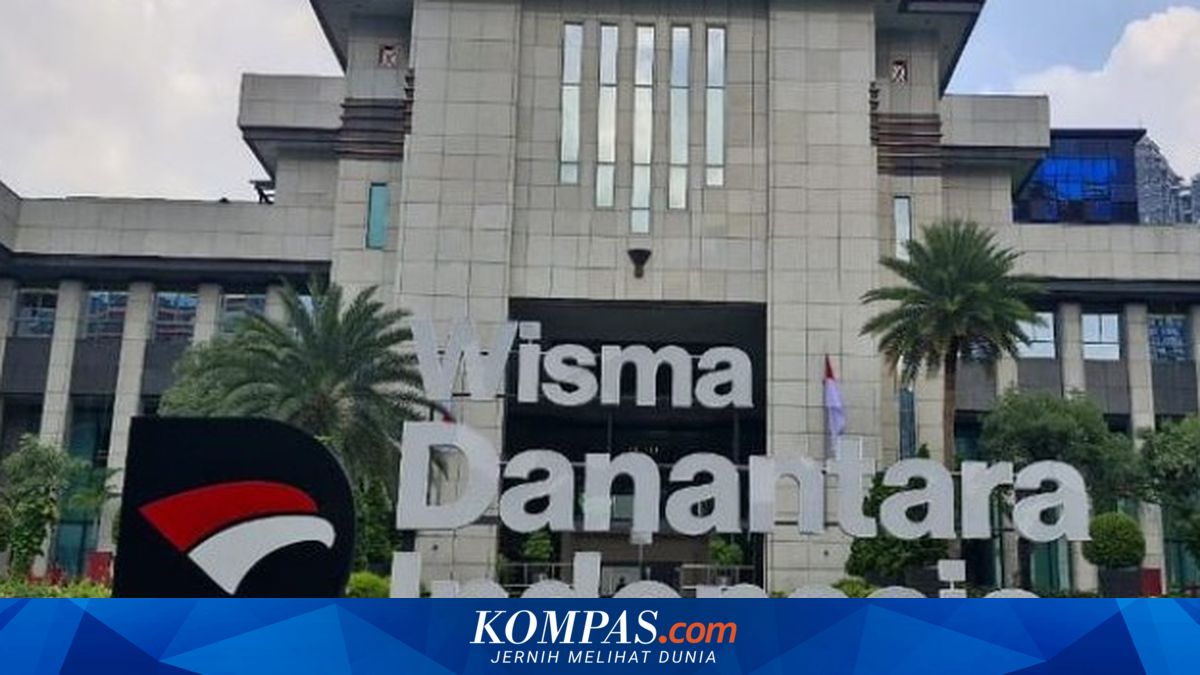
JAKARTA - The formation of the Daya Anagata Nusantara Investment Management Agency (BPI Danantara) is considered more than just a reorganisation of state institutions. The presence of Danantara is described as a strategic step by the government to improve the management of national assets while tidying up the structure of state-owned enterprises (SOEs) to make them more efficient and competitive. This view emerged during a Public Debate titled “The State’s Big Gamble via Danantara on SOE Restructuring,” organised by the Nagara Institute together with Akbar Faizal through the Akbar Faizal Uncensored (AFU) forum last weekend. Head of the INDEF Centre for Macro Economics and Finance, Rizal Taufikurahman, assessed Danantara as a strategic instrument to strengthen the national economic architecture through the restructuring of SOE investments and assets. With a combined total asset value reportedly reaching Rp 1,650 trillion, Danantara is seen to have significant capacity to become a new national investment engine. “Danantara represents a strategic step to restructure SOE assets and investments to make them more productive, and it has the potential to become a new national investment engine to strengthen downstream processing and industrialisation, ultimately driving a 1.6% increase in GDP,” said Rizal in an official statement on Monday (11/5/2026). “The success of the institution will heavily depend on the managers’ courage to close the door to damaging political discretion,” stated Awalil. Awalil said that the public needs concrete evidence in the form of data openness, financial reports, and definitive projects so that investor confidence in Danantara can grow. “If Danantara wants to succeed, its interventions must be as minimal as possible and only through regulations, not discretion. Danantara must be transparent so that the public can help defend its performance in the future,” he said. Professor at the Faculty of Economics and Business, Diponegoro University, Akhmad Syakir Kurnia, believes that restructuring through Danantara must still consider fiscal accountability aspects to avoid creating short-term gaps in state revenue. According to Syakir, the transfer of SOE dividends to Danantara’s coffers needs to be balanced with significant improvements in the performance of state companies so that economic benefits continue to be felt by society. “The transfer of dividends from SOEs to the BPI Danantara coffers must be accompanied by exponential performance improvements so that society does not feel a loss of public benefits that are usually channelled through the state budget,” said Syakir. “The government’s courage in forming BPI Danantara must be matched with the courage to open up to stricter public oversight,” he added. He assessed that the institutional design of Danantara still needs to be monitored to avoid closing off spaces for transparency. “Expectations may be raised sky-high regarding this institutional arrangement, but the history of extractive economics forces us to remain critical because the space for demanding public transparency feels worrisomely limited by the legislative design,” he said.