
Assessing the Long-Term Impact of the National Internship Programme
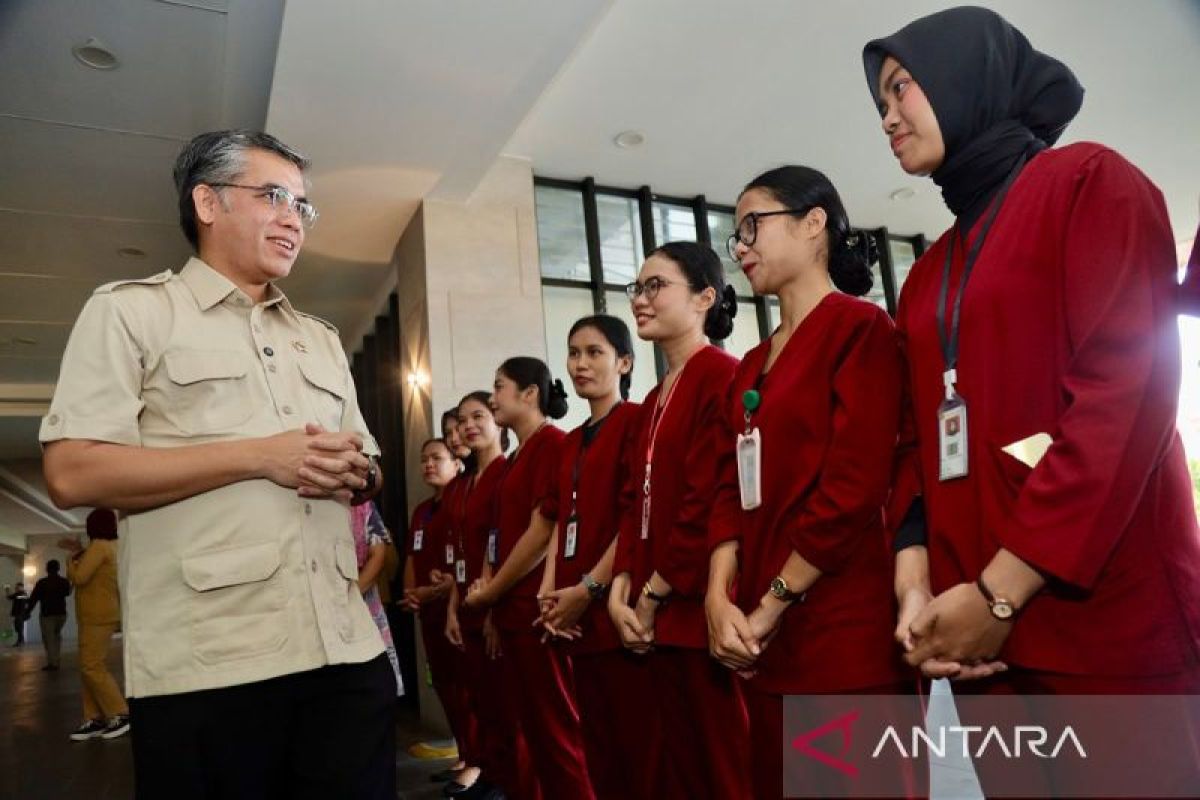
Jakarta (ANTARA) - Six months after its launch on 20 October 2025, the National Internship Programme officially completed its first phase in mid-April 2026. Over a period of approximately one semester, 11,949 participants, who are recent university graduates, experienced the working world in industrial environments up to government ministries and agencies. According to data from the Ministry of Manpower (Kemnaker), the brief experience of the participants in National Internship Phase I was supported by 1,185 companies participating as internship organisers and involving 5,267 mentors. Participants who complete the six-month programme will receive an internship certificate, while those who follow for more than three months but less than six months will obtain a certificate of participation. For participants, these documents are important as initial provisions to demonstrate experience and work readiness more convincingly. With various supports from the government to participants, including pocket money up to certificates, does the National Internship have an impact as short as its duration, or does it provide a longer effect on the career journey of our young prospective workforce? The Meaning of Internship For Gladys, a Public Relations graduate from Universitas Indonesia (UI), her experience undergoing the National Internship Programme at the Public Relations Bureau (Humas) of the Republic of Indonesia’s Ministry of Manpower, is a new learning space. She said that the new skills she gleaned from the programme include public speaking abilities, copywriting, as well as work ethics and building professional relationships with colleagues.