
Assessing the Effectiveness of Salary Cut Proposals for President and Vice President as Cost-Saving Measures
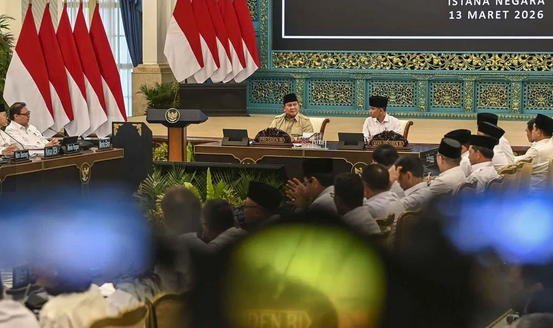
President Prabowo Subianto’s proposal to cut salaries for state officials, announced in March 2026, has sparked debate over its impact on Indonesia’s fiscal health. The discussion has resurfaced as a response to global economic uncertainty caused by Middle Eastern conflicts.
In data terms, this measure is primarily political-symbolic rather than a practical financial solution. For cost-saving to be truly effective fiscally, the government must expand the policy scope to encompass two critical elements:
Public Confidence: When the government pursues subsidy efficiencies or tax increases, officials’ willingness to cut their own salaries becomes the “key” to ensuring these policies are accepted by the public without triggering social unrest.
Fiscal Discipline: The salary cuts should serve as a signal for ministries and agencies to conduct internal audits of official travel expenses and operational costs, which often far exceed base salary figures.
The Chairman of the Parliamentary Budget Committee (Banggar), Said Abdullah, has reaffirmed that the State Revenue and Expenditure Budget (APBN) deficit will remain below the 3% of Gross Domestic Product threshold.
The Constitutional Court is holding a judicial review of the 2026 APBN law regarding allegations that budget cuts in education resulted from the introduction of the Nutritious Meal programme. Defence spending in the 2026 APBN reaches Rp337 trillion, with analysts noting that weapons spending should strengthen Indonesia’s defence industry rather than merely increasing weapon imports.
Petitioners have challenged Articles 22(3) and its explanation in Law Number 17 of 2025 concerning the 2026 State Budget. Finance Minister Purbaya Yudhi Sadewa is set to conduct major personnel rotations involving thousands of employees within the Tax Directorate General (DJP) at the start of the 2026 fiscal year.