
Aspermigas: Middle East Conflict Could Push Oil Prices Above US$100
Jakarta — Elan Biantoro, General Chairman of the National Oil and Gas Company Association (Aspermigas), highlighted the spike in global oil prices in recent days, attributing it to the escalating conflict in the Middle East, where exchanges of attacks are ongoing between the United States and Israel on one side and Iran on the other.
Crude oil prices, which were in the range of US$65 to US$67 per barrel about two weeks ago, have surged significantly. In the latest trading, prices have touched the range of US$83 to US$90 per barrel.
“Yes, as we have observed in recent days, the volatility has indeed had a very significant impact on prices,” Elan said in Jakarta, quoted on Sunday (8 March 2026).
He views the price rise as potentially continuing. According to him, oil prices could even push through US$100 per barrel if the escalation of the conflict continues, as occurred when the Russia–Ukraine war broke out.
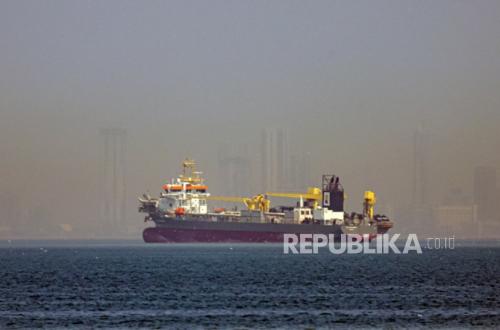
The Middle East conflict also raises concerns about disruptions to the global energy supply chain. The world’s energy shipping route through the Strait of Hormuz is one of the focal points being monitored as movements of crude oil tankers have reportedly begun to be disrupted.
“It is not impossible for prices to exceed US$100. That happened during the initial shock of the Russia–Ukraine war, which also pushed oil prices above US$100 per barrel,” Elan said.
He explained that the impact of the conflict does not originate solely from crude oil supply. The threat of blocking the Strait of Hormuz could also disrupt global LNG distribution, which largely originates from Qatar and is supplied to markets in Asia and Europe.
Such disruptions are expected to trigger reactions in global energy markets and affect a range of countries, including Indonesia. The surge in global energy prices could raise production costs across various industrial sectors.
“If the conflict is short, less than three months, I think the impact will not be too large because supply chains and energy stocks usually remain sufficient for several months,” Elan said.
He added that higher fuel prices will continue to raise operating costs for industries. The situation could pressurise the cost structure of energy companies and energy-dependent sectors.