
Aspebindo: Energy distribution infrastructure is key to maintaining energy supply
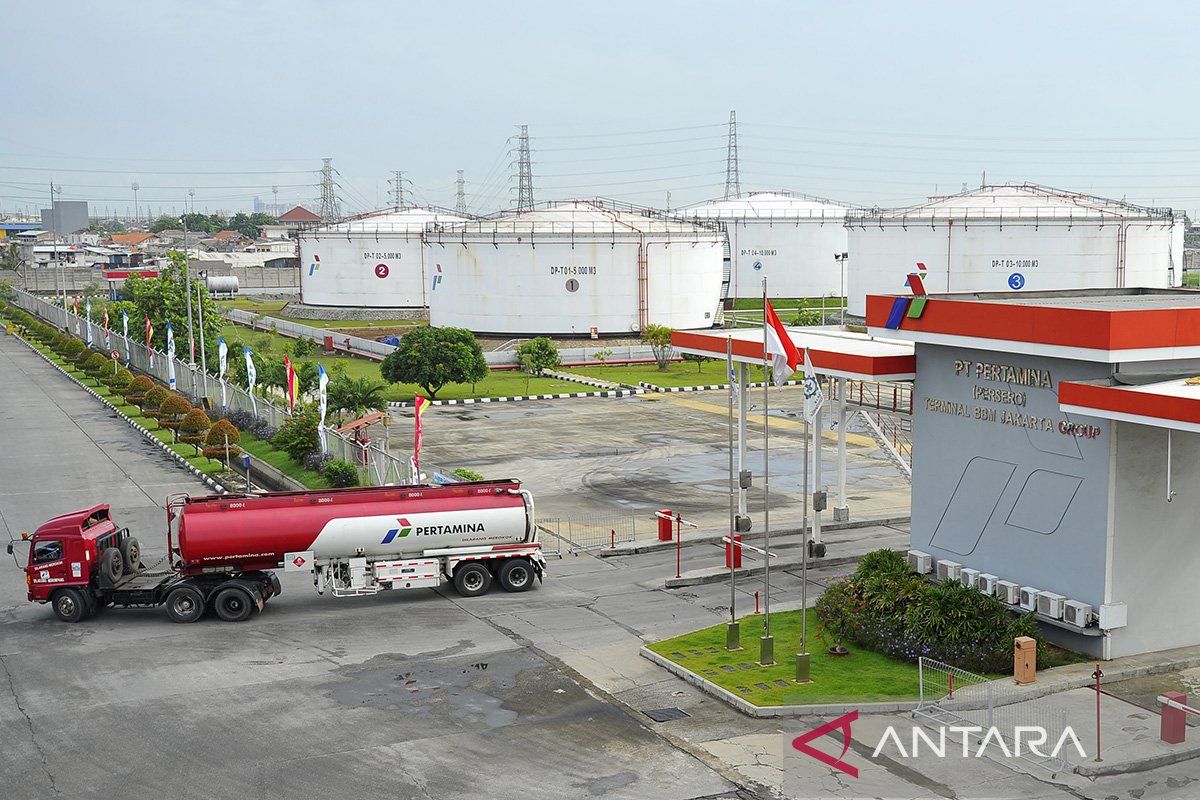
Jakarta (ANTARA) - The Indonesian Energy and Coal Suppliers Association (Aspebindo) has stressed that preparedness of distribution infrastructure is critical to ensuring energy supply remains stable.
“Every year we observe a surge in energy consumption. Whether it be fuel, liquefied petroleum gas or electricity. For this reason, preparedness of distribution infrastructure and coordination among stakeholders becomes key so that energy supply remains stable and society can undertake their homecoming journey and celebrate Eid al-Fitr safely and comfortably,” said Aspebindo Chairman Anggawira in a statement in Jakarta on Thursday.
The Indonesian Government, according to him, needs to build cross-sectoral collaboration to ensure that infrastructure and resilience of the national energy distribution system can operate smoothly ahead of Eid al-Fitr 1447 H/2026 M.
Global dynamics marked by the conflict between Israel and the United States against Iran is believed to have national ramifications, but the Indonesian Government must remain vigilant in anticipating it, he continued.
Anggawira said this Eid al-Fitr moment represents an important test for the national energy system.
This moment, he said, is a cultural occasion marked by a surge in public mobility and logistics activities throughout various regions.
According to him, the private sector’s role is strategically important in supporting national resilience. Particularly in strengthening the distribution ecosystem and energy infrastructure in various regions. He is convinced that good collaboration will facilitate energy service delivery to the public.
Meanwhile, energy and infrastructure practitioner Tommy Jamail assessed that Indonesia’s energy infrastructure system needs to continuously transform to become more adaptive to various challenges. Both from the perspective of surges in domestic demand and global dynamics.
“We need an adaptive and resilient energy infrastructure system. This means not only capable of meeting current needs, but also capable of responding to changes in global conditions, including fluctuations in energy prices and potential supply chain disruptions,” said Tommy.
In this regard, Tommy emphasised the importance of integration between energy infrastructure, logistics systems, and distribution monitoring technology to improve efficiency and reliability of the national energy system.