
Asian nations prepare emergency measures amid Middle East conflict
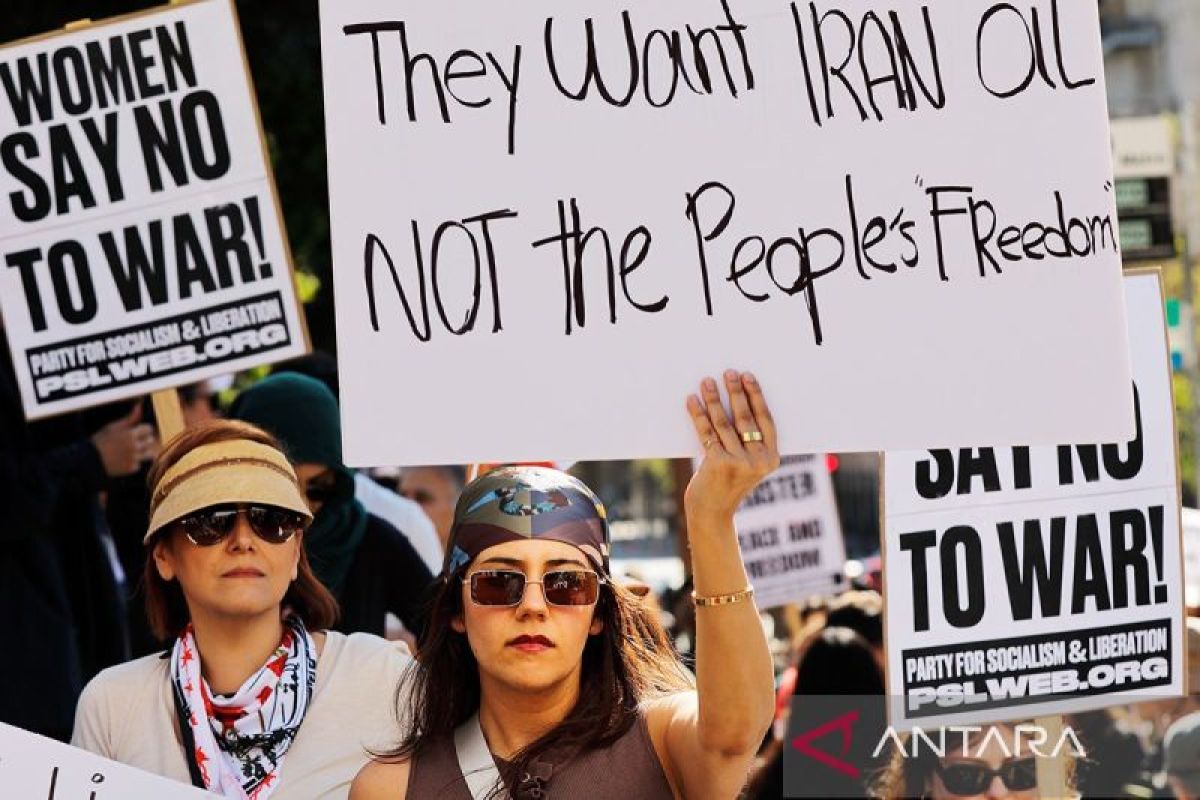
Asian nations are feeling the impact of the US-Israel-Iran conflict, which has driven global crude oil prices above $100 per barrel.
In India, authorities stated that fuel prices will remain unchanged for now, as the government relies on diverse supply sources and strategic reserves. Indian officials noted that the country has accumulated sufficient crude oil and commercial stock reserves to cover approximately 50 to 74 days of consumption, providing a buffer against supply disruptions.
China, the world’s largest oil importer, is carefully monitoring developments. According to the Atlantic Council, Beijing has built up crude oil reserves and maintains larger domestic oil production than many East Asian economies, providing protection if Middle Eastern supplies are disrupted.
In Australia, the government has urged citizens not to purchase excessively, amid reports that farmers are hoarding diesel. Australia’s Minister for Industry, Energy and Emissions Reduction Chris Bowen stated that the country maintains strong reserves. “Fundamentally it’s good because Australia has good supply,” Bowen said.
Across Asia, several governments have already implemented emergency measures. In Pakistan, Prime Minister Shehbaz Sharif is preparing an austerity plan involving distance learning and remote work arrangements, following local authorities’ announcement of a 55 rupee (Rp3,317) per litre petrol price increase, the highest on record.
Bangladesh has ordered the temporary closure of educational institutions nationwide to conserve electricity and fuel. Local officials stated this measure can reduce electricity consumption and transportation energy usage.
In Malaysia, Prime Minister Anwar Ibrahim said the government will endeavour to keep petrol prices at 1.99 ringgit (Rp8,511) per litre. “We will do our best to ensure the RON95 price remains at 1.99 ringgit so the people are not burdened,” Ibrahim said, according to Bernama news agency.
Separately, industry experts in Sri Lanka have warned that higher shipping costs and currency depreciation could drive food prices up by 5-10 per cent in the coming months, according to the Daily Mirror newspaper.
In Taiwan, Head of Economic Affairs Kung Ming-hsin stated that the short-term impact of the Middle East conflict on liquefied natural gas supplies is estimated to be minimal. Kung noted that 20 LNG shipments have been arranged for March and April, according to the Central News Agency.
South Korean President Lee Jae-myung on Monday called on local authorities to implement fuel price controls immediately to address gas price surges and volatility in the foreign exchange market. The instruction was issued as South Korea’s currency fell to a 17-year low against the US dollar on Monday, amid market volatility and rising oil prices, closing at 1,495.5 won per dollar, the weakest level since March 2009.
In Japan, the Nikkei index ended down more than 2,800 points, marking the third-largest single-day decline in its history, as investors reacted to rising energy costs and geopolitical uncertainty in the Middle East.
Regional tensions have escalated since the US and Israel launched large-scale strikes against Iran on 28 February, killing more than 1,250 people, including Supreme Leader Ayatollah Ali Khamenei, over 150 schoolgirls, and senior military officials.
Iran responded to US-Israeli aggression with large-scale attacks targeting US military bases, diplomatic facilities, and military personnel throughout the region, as well as several Israeli cities. At least six US military personnel have been killed.
Ten Asian nationals—three from Bangladesh and Pakistan each, two from India, and one each from China and Nepal—have reportedly been killed in the Middle East amid the ongoing conflict.