
Asian Heatwave Fails to Rescue Coal Prices
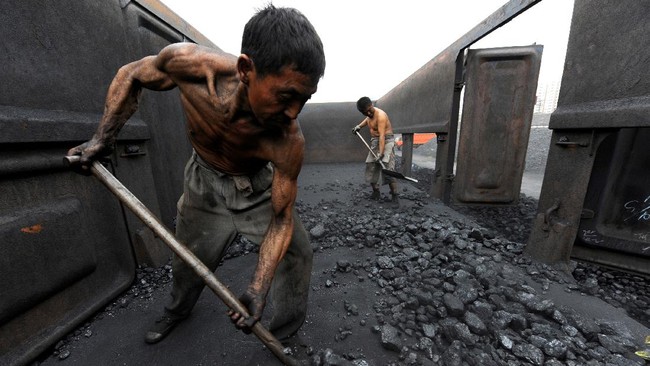
Jakarta, CNBC Indonesia - Coal prices have declined as oil prices fell, with positive news failing to lift coal prices. According to Refinitiv, coal prices closed at $137.50 per tonne on Thursday (28 May 2026), down 0.5%. This decline extends a negative trend, with coal prices falling 1.4% over the past two days. The drop is linked to lower oil prices, as the two commodities are substitutes. Oil prices initially fell following reports of a US-Israel arms deal. However, WTI crude closed up 0.3% at $88.90 per barrel, while Brent fell 0.6% to $93.71. China’s Coal Sector Remains a Concern A coal mine disaster in Shanxi is expected to temporarily reduce China’s coal production, raising costs for the steel, power generation, and chemical industries. The explosion at the coking coal mine triggered nationwide self-inspections and the temporary shutdown of several mines in the province. The central government has formed a team to review national mine safety standards. Coal production in Shanxi, China’s largest producing province with output of 107 million tonnes in April, is expected to drop by 8% in May. However, the production cuts are expected to be short-lived, possibly lasting around a week. Li Xiaolong of the China Coal Transportation and Distribution Association said the government is likely to avoid large-scale restrictions ahead of peak summer electricity demand. Shanxi produces around 1.3 billion tonnes of coal annually, accounting for a third of China’s total output. According to Jefferies Financial Group, cited by the New Straits Times, at least 109 mines — nearly 10% of the province’s total — have been temporarily shut down. The accident site is a key coking coal production hub for the steel industry. Coking coal prices saw the largest reaction following the deadliest mine accident since 2009. Dalian futures contracts for coking coal rose 11% for the week until Wednesday’s close. However, the impact is expected to be tempered by increased supply from Mongolia and Russia, China’s main coking coal suppliers. Summer Heatwave Boosts Demand Southern China’s electricity consumption hit a record high on Monday, with seasonal peak demand arriving about a month earlier than usual. Spot electricity prices in Guangdong, China’s economic hub, surged 40% this week. Hot and humid weather due to El Niño has raised temperatures and triggered floods and power outages in parts of southern China. These conditions complicate energy security efforts amid tightened mine safety inspections. The government has also warned of increased landslide risks, which could further hinder mining activities. Prolonged coal production disruptions could affect related industries. China’s efforts to revive coal-to-chemical industries as a hedge against Middle Eastern oil and gas supply disruptions may be disrupted. Many Asian cities have experienced above-normal temperatures earlier than usual, spiking air conditioning use and straining power supplies. China, Japan, India, South Korea, and Southeast Asia are expected to face prolonged heatwaves in the coming weeks, prompting utilities to ramp up coal and gas power generation to maintain energy supplies. Surging electricity demand could tighten global coal and gas markets, already strained by US-Israel tensions with Iran. Despite the growth of renewable energy, coal still accounts for around 52% of Asia’s electricity and is expected to remain the region’s energy backbone in the near term. Coal Investment Rises The International Energy Agency’s World Energy Investment report forecasts coal sector investment to rise to $180 billion this year, a 4% increase from 2025 levels and the highest since 2012. Asian economies are expected to be the largest investors in the coal sector. China accounts for around 70% of global coal supply spending, followed by India, whose investments have tripled over the past decade. Western countries are also beginning to reinvest in coal. Australia is investing US$4.5 billion in coking coal for steelmaking blast furnaces in 2026, the second-highest after China’s US$9.3 billion. Meanwhile, the US and Canada are fast-tracking approvals for new coal mines, increasing the project backlog to 15 mines with a combined capacity of 34 million tonnes per year.